

BuyHome.ge
+995 595 33 78 33


Access to a House Crosses a Neighbour's Plot: Verifying the Right of Way
Access to a House Crosses a Neighbour's Plot: Verifying the Right of Way
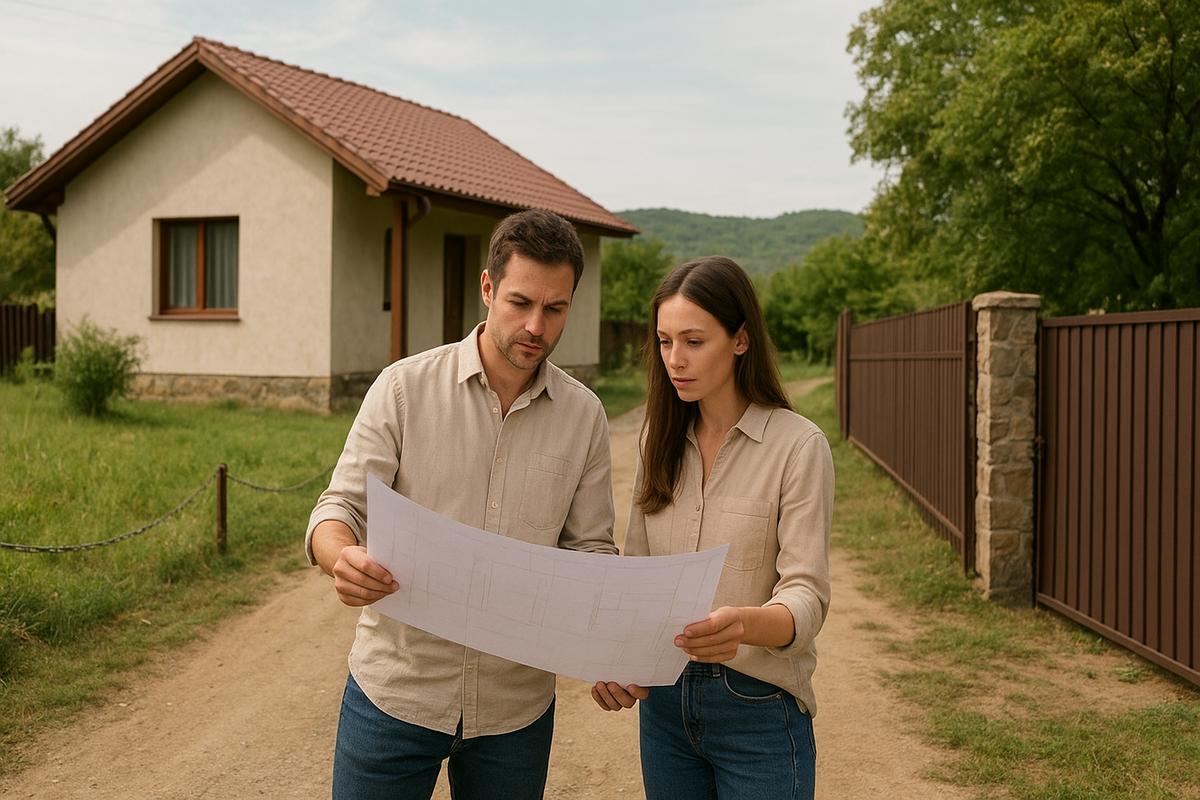
A convenient road leads to the house, the gate is open and the seller says, “We have always driven here.” Yet a cadastral plan may show that part of the route belongs to a neighbour. Before buying, establish both physical access and its legal basis.
Check the complete route to the public road, owners of affected plots and rights available to the new owner. Long-standing practice and friendly relations do not replace document review.
🔎 Map the whole route
Request cadastral information for the property and every plot crossed by the actual road. Compare plans with the gate, turns and physical track: they may not follow assumed boundaries.
Mark the route from the public road to the house. Where several private plots are crossed, check the basis of access for each. Consider separate access needed for utilities and maintenance.
Records to request
| Question | What to review |
|---|---|
| Who owns the road land? | Current registry information and cadastral plans |
| How is access established? | Registered rights, agreements and related records |
| Who may use it? | Parties, property and terms |
| Where is the route? | Plan, boundaries and identification |
| Who pays? | Maintenance, repairs and cost allocation |
| What happens after sale? | Applicability to the new owner |
A cadastral number in a listing may identify only the property being sold. It does not itself establish passage over neighbouring land.
Easements, agreements and actual use
Georgian law provides different ways to use another plot, including easements. Their scope and formalisation require review of the actual documents.
Establish which property benefits, who grants the right, where it applies and which uses are allowed. Walking, a car and heavy equipment may involve different questions.
A verbal permission to the current owner should not automatically be treated as a buyer’s right. Conversely, missing paperwork at a viewing does not prove no rights exist: request records and seek legal review.
🚗 Hypothetical example
A house is on plot A; the route to the public street crosses B and C. Documents cover B only. The entire route is not yet established for the buyer: C must be assessed separately and the route compared with the plan.
This is fictional. It does not establish that C’s owner must immediately grant access or that no right exists.
Necessary access
Georgian law provides a mechanism for necessary access under certain conditions when a plot lacks a necessary connection to a road. Applicability, route, possible costs and limits require individual assessment.
Do not buy on the assumption that a court will automatically and quickly impose the precise route you want. A legal mechanism is not a guaranteed outcome.
📝 Maintenance and practical use
Ask who repairs the surface, clears drainage, funds maintenance and makes decisions among users. Compare explanations with written records. Clarify delivery, emergency and construction access where relevant.
For gates, establish access arrangements and what happens when ownership changes. Possessing a key does not prove a permanent right.
Before an advance
- Identify every plot crossed.
- Obtain current ownership and rights information.
- Compare the recorded and physical route.
- Have a lawyer assess rights and their application to the buyer.
- Check restrictions for the vehicles you need.
- Clarify maintenance, costs and open questions.
- Ensure payment terms reflect unresolved access.
Frequently asked questions
Does an open road prove a right of way? Not necessarily. Physical and legal access are separate checks.
Can necessary access always be demanded? No universal answer: statutory conditions and circumstances matter.
Is one neighbour’s consent enough? That depends on the route and every affected owner.
Legal information checked on 31 October 2026. Explore houses through the BuyHome catalogue and tell us your access requirements.
Date added: 14.11.26
Related articles






Related categories

Taxes and fees (purchase and rental)
Guide to taxes and costs for buying and renting property in Georgia: registration and related fees, rental income tax, exemptions, payment deadlines, and practical calculation examples.

Real estate legislation in Georgia
Key rules of Georgian real estate law: ownership rights, public registry registration, purchase and rental transactions, key restrictions, and practical guidance for residents and foreigners.

Developer contracts
A practical guide to developer contracts in Georgia: instalment plans and payment schedules, completion timelines, warranties, penalties, and termination terms. What to review before signing and how to reduce buyer risks.

Transaction risks and security
Seller and property due diligence in Georgia: registries, documents, encumbrances, and key risks. What to verify before the deal to protect yourself and buy with confidence.
Benefits of buying property on BuyHome.ge

Best property prices
No commission for buyers
Up-to-Date Properties on the Website
Free property selection
Free transaction support
Free expert consultations

Submit a Request
for a Consultation!

2026 © All rights reserved