

BuyHome.ge
+995 595 33 78 33


Apartment Handover: How to Prepare and What to Check—Examples
Apartment Handover: How to Prepare and What to Check—Examples
Apartment handover: practical steps and mindset ✅
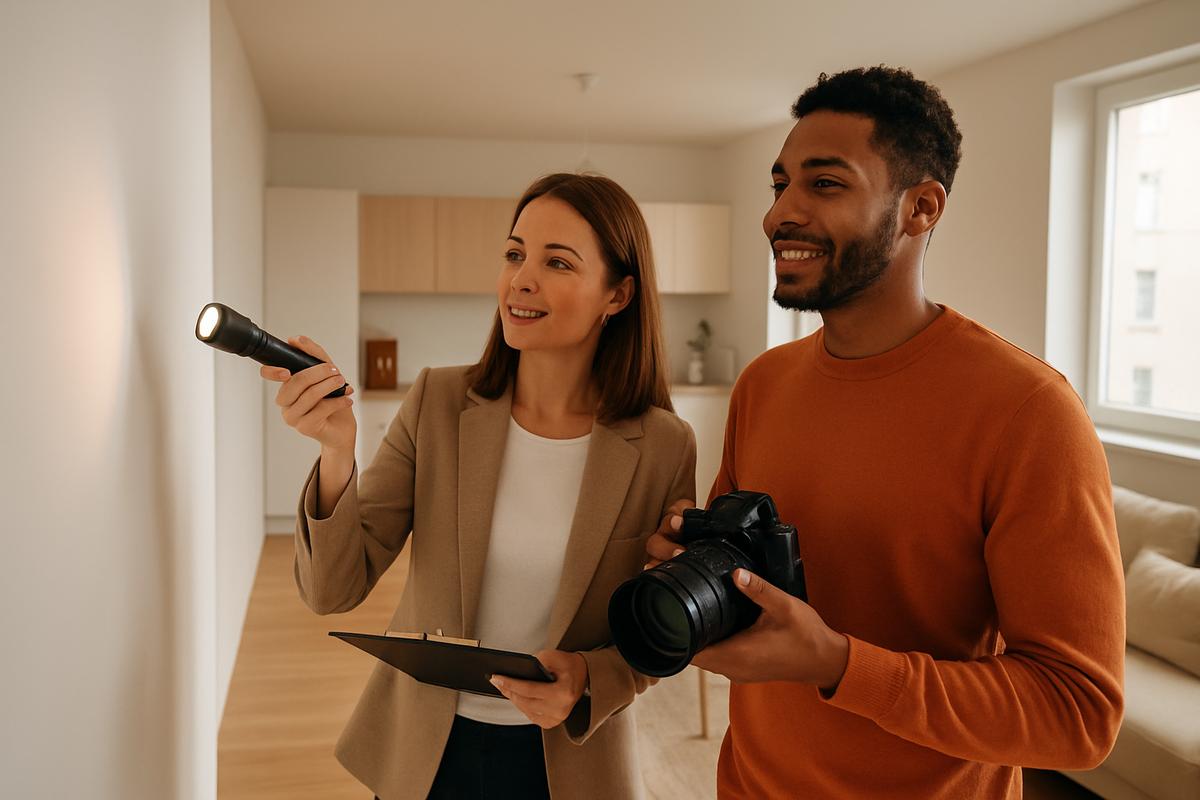
Handover is a decisive moment when buying or receiving an apartment. A careful inspection helps avoid unexpected repair costs and stress. This guide shows how to prepare, inspect reliably, document findings, and negotiate fixes — illustrated with practical examples.
Before you arrive: prepare 📋
- Collect all available documents: contract, technical papers, floor plans, and any finish or defect lists.
- Bring tools: flashlight, spirit level (or a phone app), screwdriver, measuring tape, and a smartphone with good camera. A small notepad is useful.
- Schedule the visit when both natural and artificial light are available — defects are easier to spot.
- Allow enough time: a proper inspection takes more than a quick walkthrough.
First checks to make 🔍
-
Entrance and common areas
- Check locks, hinges, seals and the condition of the entrance door.
- Note floor and wall condition in the corridor and any signs of moisture.
-
Windows and balconies
- Inspect seals, hardware operation and moisture inside frames.
- Check that sashes open smoothly and latch correctly.
-
Walls, ceilings and floors
- Use a level or visual checks for major unevenness, large cracks or damp spots.
- Record issues in clear phrases: “crack above the living room window”, “bulge on kitchen wall”.
-
Plumbing and wet areas 🚿
- Turn on taps and showers to check pressure and leaks.
- Inspect under sinks and around fixtures for dampness and poor sealing.
-
Electrical systems ⚡
- Test sockets and switches; check lighting in all rooms.
- Ensure the distribution board is accessible and labelled if possible.
-
Heating and ventilation
- Verify radiators are installed and valves function where accessible.
- Check that kitchen and bathroom ventilation is present and unobstructed.
How to document defects — examples and best practices 📝
- Take dated photos and videos focused on each defect with location context.
- Use short, factual statements: “tile grout missing in bathroom corner”, “loose balcony railing”.
- Capture demonstrations: open/close windows, turn on taps, measure floor slope.
Example acceptance report structure (concise) ✍️
- Header: address, date, attendees.
- Room-by-room condition summary.
- Defect list with photos/videos and proposed remedy (repair, replacement, adjustment).
- Agreed method and approximate timeline for corrections and signatures of both parties.
Negotiation tips and realistic requests 🛠️
- Be specific: ask for listed defects to be fixed before handover or agree on a written plan with deadlines.
- If repairs are planned after handover, document who will verify the job and accept the completion.
- Consider a compensation or price adjustment if repairs are likely to cause lengthy inconvenience.
When to call a specialist 👷
- For structural issues, major water ingress, questionable waterproofing or electrical concerns, hire an expert for a technical assessment.
- A professional report strengthens your position if disputes arise.
Common mistakes to avoid ⚠️
- Don’t sign a “no defects” acceptance if problems remain.
- Record everything with photos and written notes — memory alone is unreliable.
- Keep copies of all documents and media for warranty claims or future negotiations.
Simple checklist to follow ✅
- Prepare documents and tools.
- Inspect systematically by room.
- Document defects with photos and descriptions.
- Agree on remediation steps and record them.
- Involve an expert when necessary.
If you’d like help preparing for a handover or want a BuyHome specialist to join the inspection, contact us. We can also help you find apartments and review documents: https://buyhome.ge/en/search
Date added: 09.07.26
Related articles





Related categories

How to choose an apartment
A practical guide to choosing an apartment in Georgia: key criteria, location assessment, document checks, and common buyer mistakes to avoid.

How to check a developer
A practical guide to checking a real estate developer in Georgia before purchase: documents, permits, risks, and legal safety.

Documents for purchase
A clear overview of documents required to purchase property in Georgia, including buyer and seller requirements, timelines, and key risks.

Transactions for foreigners
A clear overview of property transactions for foreigners in Georgia, including rules, restrictions, required documents, and key specifics.

Property registration
Property registration in Georgia: procedures, required documents, timelines, and key details for buyers and investors.

Apartment prices
Apartment prices in Georgia: market overview, differences by district and property type, and key factors shaping prices.
Benefits of buying property on BuyHome.ge

Best property prices
No commission for buyers
Up-to-Date Properties on the Website
Free property selection
Free transaction support
Free expert consultations

Submit a Request
for a Consultation!

2026 © All rights reserved