

BuyHome.ge
+995 595 33 78 33


Storage Rooms and Bicycle Spaces: What Apartment Buyers Actually Acquire
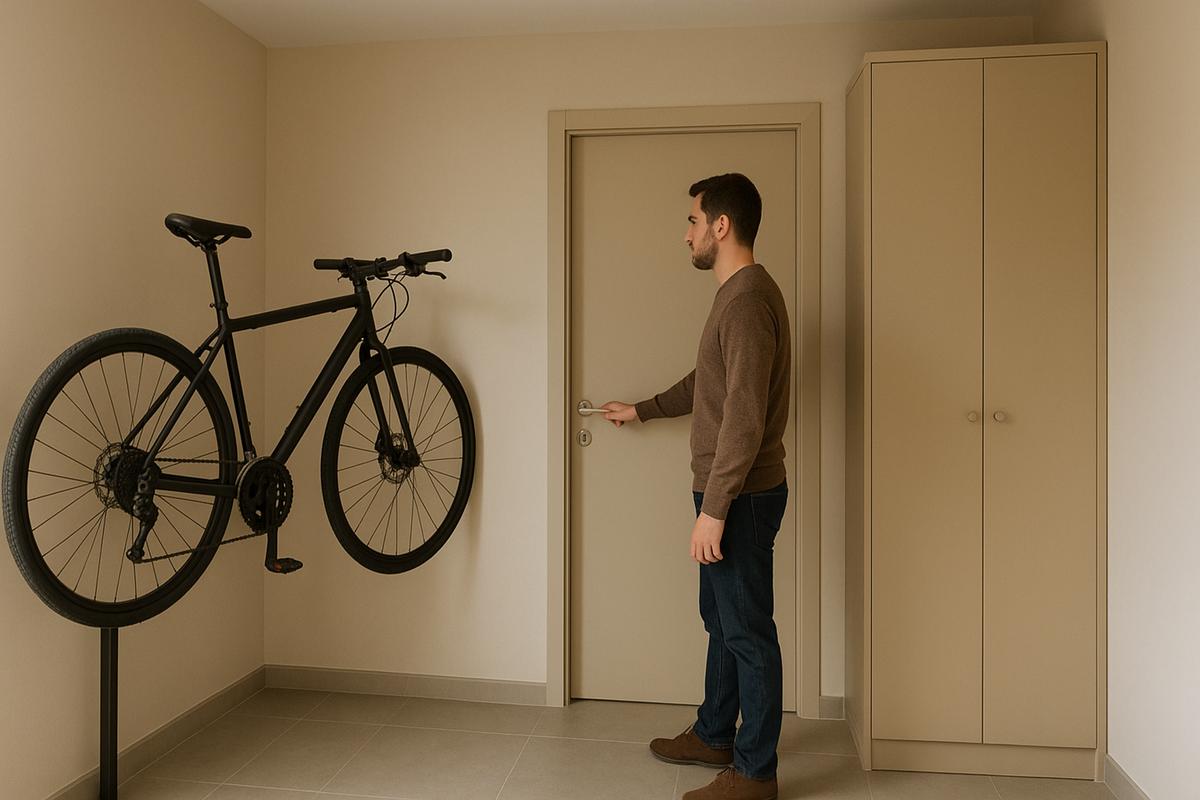
Storage Rooms and Bicycle Spaces: What Apartment Buyers Actually Acquire
“Free storage included” may refer to a separately documented property right, access to a shared room or a corner the previous owner occupied informally. The physical appearance can be similar: a door, shelves and a key. The value to the buyer is different.
Establish the right being transferred before assessing storage convenience. A key opens a door; it does not explain the legal basis, restrictions or what happens after the apartment is sold.
🧾 Distinguish three offers
Ask the seller to describe the storage arrangement precisely in the proposed transaction: location, number or designation, evidenced area where relevant and the basis of transfer.
| Arrangement | What to establish |
|---|---|
| Separate property or documented property right | What is recorded, who holds it and how it transfers |
| Shared residents' room | Access, allocation and usage rules |
| Informally occupied space | Who allowed it, on what basis and whether use can continue |
A room used by few people is not necessarily private storage. An apartment-number sticker does not establish an exclusive right.
Where a separate storage unit is offered
Obtain documents identifying the space and the seller's right. Compare plans, cadastral information, boundaries and the actual location. Where separate registration is claimed, request current information through the official registry services.
Establish whether it is included in the price, how it transfers and whether restrictions or independent obligations apply. A lawyer should check the form and its connection to the apartment sale.
“Separate” sometimes means only a room with its own door. Distinguish physical separation from a documented right. If the evidence does not match, do not value it as established ownership.
Where the room is shared
Request current building rules and the management organisation's explanation. Can all owners use it, only one section or participants in a separate arrangement? How are places allocated and shortages resolved?
Ask whether long-term bicycle storage, a fixed stand or an individual lock is allowed and who has general access. Temporary placement and permanent storage may have different conditions.
Establish how rules change and what happens on an apartment sale. Do not assume every subsequent owner automatically receives the same place. The basis of use and transferability need documentary clarity.
Where permission is only informal
“Everyone does it” and “the manager does not mind” describe current practice, not a durable right. Establish who has authority to permit the use and how it is recorded.
Do not simply accept the key or occupy an empty corner. A shared corridor, exit route or technical room does not become storage because nobody objects at one viewing. Check the space's purpose and applicable safety restrictions.
Without a confirmed basis, treat the space as an uncertain possibility rather than a purchased benefit. The apartment may need to work for you without it.
🚲 Test the complete bicycle route
A good room may be inconvenient if reaching it requires carrying a bicycle upstairs or passing several heavy doors. Agree an inspection from the street to the space and back.
Measure doors and turns against the actual bicycle, including a basket, child seat or other equipment. If a lift is involved, check its rules and usable space without inconveniencing residents.
Establish where you turn the bicycle and retrieve it when neighbouring places are occupied. An empty room at a viewing does not demonstrate normal operation once full.
Do not base convenience on leaving items outside the door or moving someone else's property out of the way. The route must work within permitted use.
Moisture, ventilation and the belongings involved
Inspect accessible walls, ceiling, floor, door and service-adjacent areas. Record water marks, rust, condensation and damp smells. Ask about causes and completed repairs, and obtain an investigation where needed.
A ventilation grille does not establish actual air movement. Seek a technical explanation if valuable belongings depend on the storage conditions.
Match the space to your intended contents. Bicycles, textiles, documents and electronics have different needs. A sealed plastic container should not be assumed to resolve every moisture problem.
This is a premises assessment, not a universal storage specification for every material. Follow sensitive items' requirements and the room's actual condition.
Access and security without guarantees
Who holds keys and cards? Are transfers recorded? Who handles a faulty lock, and how do you reach your belongings if ordinary access fails?
Establish what “security” means: site entry control, patrols, observation or a separate service. A guarded development is not a guarantee that every stored item remains safe.
Where cameras exist, ask about their actual field of view, access to recordings and the reporting process. Installing your own camera and handling data require separate checks, particularly in common areas.
Check insurance for items outside the apartment too: location, room type, access conditions and exclusions. Home-contents cover should not automatically be extended in your assumptions to a shared bicycle room.
📋 Costs and transfer to the next buyer
Request written information on use, maintenance, access and additional-work charges. If fees can change, establish the basis and procedure. A current zero fee is not a promise of permanent free use.
| Question | What to confirm |
|---|---|
| Basis | Ownership, contract, rules or another arrangement |
| Extent | Specific room or place, exclusive or shared use |
| Duration | Ongoing right or limited permission |
| Charges | What is paid and how amounts are determined |
| Transfer | Effect of an apartment sale |
| Ending or changing use | Who can act and under which procedure |
| Responsibility | Maintenance, access, damage and reports |
Selling a separate unit and passing on access to a shared room are different possibilities. Each requires its own assessment.
Translate “included free” into precise terms
Replace the marketing phrase with what transfers, on which basis, to whom, when and with what costs. A genuine part of the transaction should not remain only in a verbal presentation.
If the offer is a use right, describe it as such. If the seller cannot establish the promised place, do not add its full assumed value to the apartment appraisal.
Consider a hypothetical comparison. One offer includes an identified room with a verified right and practical access. Another provides a currently empty shelf in a shared space with no allocation. Equal apartment size does not make these benefits equivalent. Compare the right, not the word “free”.
Decide whether the option is useful to you
Storage has practical value when your belongings fit, conditions suit them, access is convenient, costs are clear and rights match expectations. For daily cycling, avoiding stairs may matter more than another shelf.
Occasional use may allow different compromises. Assess your own routine rather than assuming an automatic premium at resale.
Frequently asked questions
Does receiving a key make the room mine?
Not on that basis alone. Check the documents and legal arrangement.
Does a shared-room place always pass to a new owner?
Establish that from rules and documents rather than assuming automatic transfer.
Can I use an empty corridor for my bicycle?
Do not occupy common passages on your own decision. Purpose, rights and safety requirements need separate consideration.
✅ Before buying an apartment with storage
Identify the right, inspect the room, test the route with the relevant item and clarify charges and future transfer. Separate a verified feature from informal convenience.
When searching with BuyHome, describe the bicycle or belongings and how frequently you need access. This helps include actual storage suitability in the comparison.
Date added: 04.11.26
Related articles





Related categories

How to choose an apartment
A practical guide to choosing an apartment in Georgia: key criteria, location assessment, document checks, and common buyer mistakes to avoid.

How to check a developer
A practical guide to checking a real estate developer in Georgia before purchase: documents, permits, risks, and legal safety.

Documents for purchase
A clear overview of documents required to purchase property in Georgia, including buyer and seller requirements, timelines, and key risks.

Transactions for foreigners
A clear overview of property transactions for foreigners in Georgia, including rules, restrictions, required documents, and key specifics.

Property registration
Property registration in Georgia: procedures, required documents, timelines, and key details for buyers and investors.

Apartment prices
Apartment prices in Georgia: market overview, differences by district and property type, and key factors shaping prices.
Benefits of buying property on BuyHome.ge

Best property prices
No commission for buyers
Up-to-Date Properties on the Website
Free property selection
Free transaction support
Free expert consultations

Submit a Request
for a Consultation!

2026 © All rights reserved