

BuyHome.ge
+995 595 33 78 33


Batumi in Winter: Humidity and Heating—How to Prepare
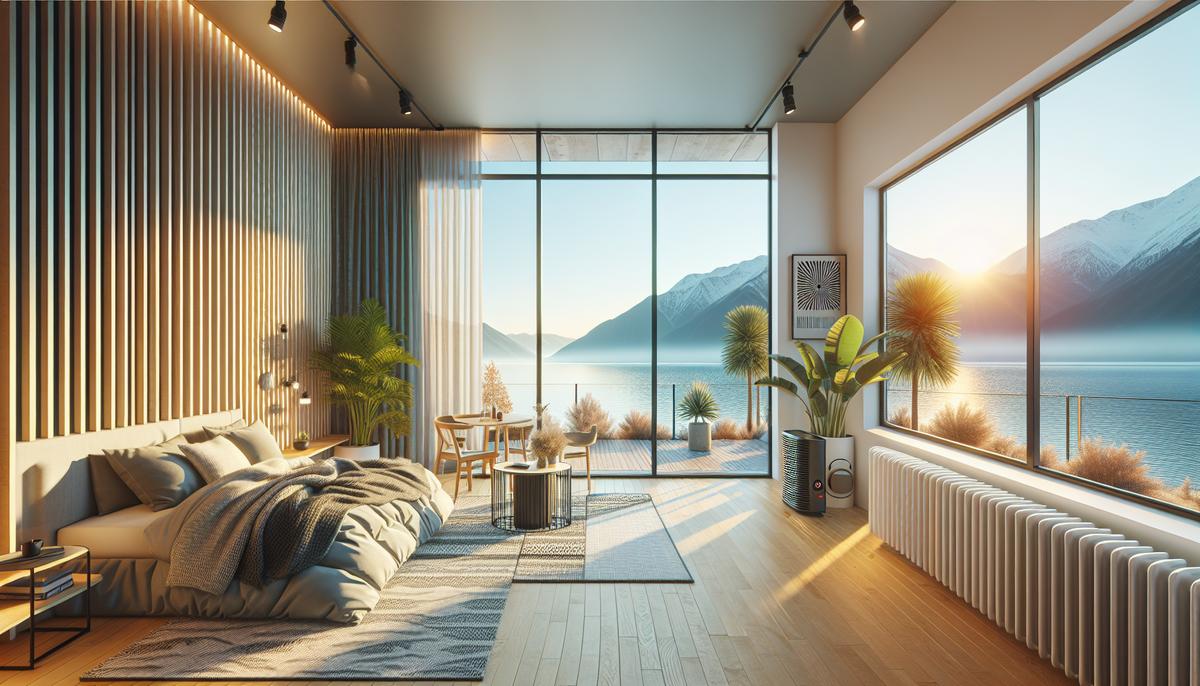
Batumi in Winter: Humidity and Heating—How to Prepare
Batumi in winter: what to expect 🌊❄️
Batumi's winters are mild but often humid. The sea keeps the air moist, so even without severe cold you can face condensation, damp spots and mould. This guide offers clear, practical steps to prepare a property for winter and questions to ask when buying or renting.
Why humidity matters for your home
- Coastal air brings persistent moisture that collects on cold surfaces.
- Condensation on windows and walls can damage finishes and trigger mould growth.
- Heating setups vary: central systems, individual boilers, or electric heating — and each affects control over indoor climate.
Quick checklist before buying or moving in ✅
- Inspect the building base and facade for signs of damp, previous waterproofing repairs or stains.
- Check windows and balconies: are windows double glazed, well sealed, is the balcony glazed?
- Find out how the heating system is organised and who maintains it (management company or owner).
- Assess ventilation: is there extraction in the kitchen and bathroom, are there trickle vents in windows?
Practical ways to reduce indoor humidity 🔧
- Ventilate regularly: short, strong bursts of air (cross-ventilation) several times daily remove humid air and reduce condensation.
- Use dehumidifiers where moisture concentrates (wardrobes, bedrooms, bathrooms) during peak damp periods.
- Keep furniture away from exterior walls so air can circulate and prevent mould behind wardrobes.
- Avoid drying laundry indoors or use a ventilated drying area/balcony.
- Choose moisture-resistant paint and appropriate bathroom finishes to limit water damage.
Heating: control and savings 💡
- Learn which heating type the building uses. Central systems require good radiators and ideally local regulation valves.
- Individual boilers offer more control but require routine maintenance and safety checks.
- Thermostatic radiator valves and programmable thermostats help save energy and keep comfort levels consistent.
- Underfloor heating in bathrooms or kitchens reduces cold surfaces and condensation spots.
Preventing mould and musty smells 🧼
- Treat small mould patches early with suitable cleaners and antifungal treatments for walls.
- Monitor indoor humidity with a hygrometer to know when to act.
- Check common areas (basement, stairwell) for damp sources — problems can originate outside your flat.
Materials and repairs — what to choose
- Prefer breathable, moisture-resistant materials in bathrooms and kitchens.
- Avoid heavy, dense curtains that trap moist air at windows; lighter fabrics improve wall breathing.
- When renovating a facade or plinth, insist on proper waterproofing and drainage solutions to stop rising damp.
Practical winter checklist 📝
- Check seals on windows and exterior doors.
- Ensure ventilation and extract fans work properly.
- Test or buy a dehumidifier and check fans.
- Set thermostats and test radiators.
- Consult the building manager about the heating system before winter.
Typical situations and fixes
- Constant window condensation: increase airing frequency and use a dehumidifier. If it persists, assess wall insulation.
- Cold walls despite central heating: report to the management — there may be insufficient heat exchange or piping issues.
Final note — comfort is achievable 🌤️
Humidity and heating in Batumi require attention, but with proper checks, ventilation, and a few upgrades you can keep your home warm and dry.
If you're searching for a property in Batumi, we can evaluate listings for humidity risks and heating setups. Start your search here: https://buyhome.ge/en/search
📞 Need help choosing a property that will stay comfortable in winter? Contact BuyHome — we’ll help you find the right home.
Date added: 04.05.26
Related articles





Related categories

Moving to Batumi
Moving to Batumi: how to choose housing and an area, handle documents, navigate transport, schools and healthcare, and adapt comfortably to seaside life.

Neighborhood guides
Neighborhood guides for Batumi and Tbilisi: comparing areas for living, renting and investing, prices, infrastructure, and 2025 pros & cons.

Cost of living
Cost of living in Georgia: housing, groceries, transport, healthcare, services and utilities — real budgets, examples and hidden expenses.

Healthcare & schools
Healthcare and schools in Georgia: private vs public options, pricing, quality, insurance, choosing clinics and schools, tips for foreigners and families.

Infrastructure in Georgia
City infrastructure in Georgia: transport, roads, healthcare, schools, services and retail — how district development affects quality of life and real estate value.

Weather in Batumi
Batumi weather by months and seasons: air and sea temperatures, rainfall, humidity, and wind. What to consider for comfortable living and renting by the sea.
Benefits of buying property on BuyHome.ge

Best property prices
No commission for buyers
Up-to-Date Properties on the Website
Free property selection
Free transaction support
Free expert consultations

Submit a Request
for a Consultation!

2026 © All rights reserved