

BuyHome.ge
+995 595 33 78 33


Build Density and Parking: How It Impacts Future Pricing
Build Density and Parking: How It Impacts Future Pricing
Introduction 🏙️
When choosing property in Georgia, buyers often focus on location and price. Two factors that shape long‑term value but are sometimes overlooked are building density and parking. This guide explains why they matter and how to assess their impact on future prices.
What we mean by density and parking 🚗
- Building density describes how intensely land is used: low‑rise, medium or dense urban development.
- Parking refers to availability and type of parking: underground, integrated, surface lots or informal street parking.
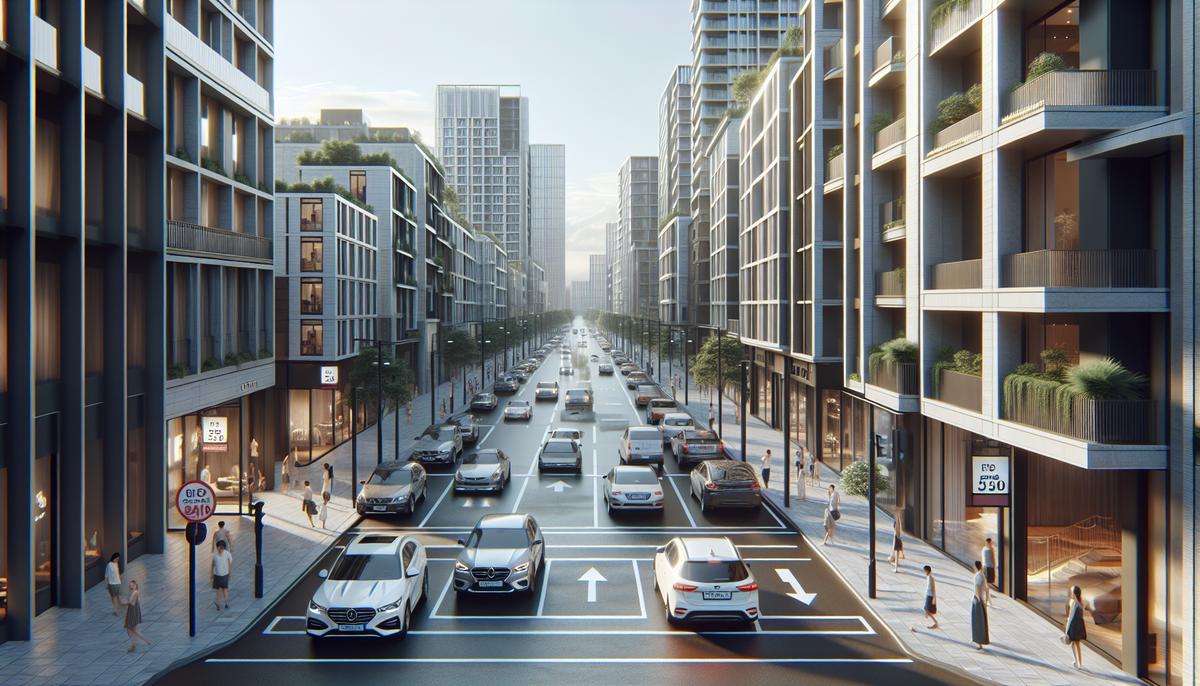
High density without planned parking frequently creates shortages, traffic stress and lower day‑to‑day comfort — all of which affect desirability.
How density and parking influence prices today 🔍
- Comfort: Buyers pay a premium for neighbourhoods with balanced density and orderly parking because they offer a better living environment.
- Demand: Rental and resale demand depend on the balance of housing, services and parking — a well‑managed area maintains steadier prices.
- Conflict risk: Dense areas with insufficient parking can experience disputes, higher noise and congestion, which may reduce appeal and depress prices.
How they shape prices in the future 📈
- Infrastructure planning: Areas with planned improvements (parking, public transport, pedestrian zones) tend to see stronger long‑term appreciation.
- Flexibility: Buildings or developments that can adapt parking space for mixed uses or add parking capacity age better in changing markets.
- Sustainability trends: Growing interest in walkable, bike‑friendly districts means that car‑centric neighbourhoods may lose some appeal unless complemented by good design.
Scenario examples
- Low density + good parking = steady demand from families and long‑term tenants.
- High density + parking shortage = potential downward pressure on price if infrastructure is not upgraded.
- Medium density + smart parking and transport = often the best mix for liquidity and price growth.
Practical advice for buyers and investors 💡
- Check long‑term plans for the area: is new parking, transport or public space planned?
- Verify the ratio of apartments to parking spaces in your building or complex; rental markets often reflect this balance.
- Type matters: integrated or underground parking typically increases appeal more than street parking.
- Assess neighbouring land uses: offices or large retail can boost demand at some times but increase traffic and parking pressure.
- Match the property profile to your target tenant or buyer: short‑term rentals and families value different things.
Purchase checklist 📋
- Is there a guaranteed parking place per unit or an option to buy? ✔️
- Are future transport upgrades planned nearby? ✔️
- Are adjacent buildings scheduled for redevelopment? ✔️
- Have you checked traffic and noise at different times of day? ✔️
- Are rules for shared parking clear and enforceable? ✔️
Reducing risks, improving returns 📊
- Choose properties where infrastructure development is visible and supported by local plans.
- Prefer projects with their own parking or with an option to secure a space separately.
- Consider properties with good alternatives to car use — walkability and transit access increase resilience and broaden the buyer pool.
Conclusion and next steps 🤝
Building density and parking shape both immediate comfort and long‑term property value. Evaluate them alongside location, market dynamics and your strategy. For practical search tools, try our property search: https://buyhome.ge/en/search
If you need help analysing specific options or want a tailored checklist for your goals, contact BuyHome — we’ll help you choose properties with the right balance of density and parking.
Date added: 21.02.26
Related articles



Related categories

ROI & profitability
A practical guide to real estate ROI in Georgia: how to calculate returns, compare rental strategies, and assess risks, costs, and payback.

Daily rent
Short-term rentals in Batumi and Tbilisi: pricing, seasonality, occupancy, costs, and strategies to earn more and avoid common mistakes.

Long-term rent
Long-term rentals in Georgia: demand by city, real rental rates, costs, risks, and management strategies for stable income.

Market analytics
Georgia real estate market analytics: price dynamics, supply and demand, trends in Batumi and Tbilisi, forecasts, and practical investor takeaways.
Benefits of buying property on BuyHome.ge

Best property prices
No commission for buyers
Up-to-Date Properties on the Website
Free property selection
Free transaction support
Free expert consultations

Submit a Request
for a Consultation!

2026 © All rights reserved