

BuyHome.ge
+995 595 33 78 33


Buying Near Lisi Lake: Access Roads, Slopes and Everyday Amenities
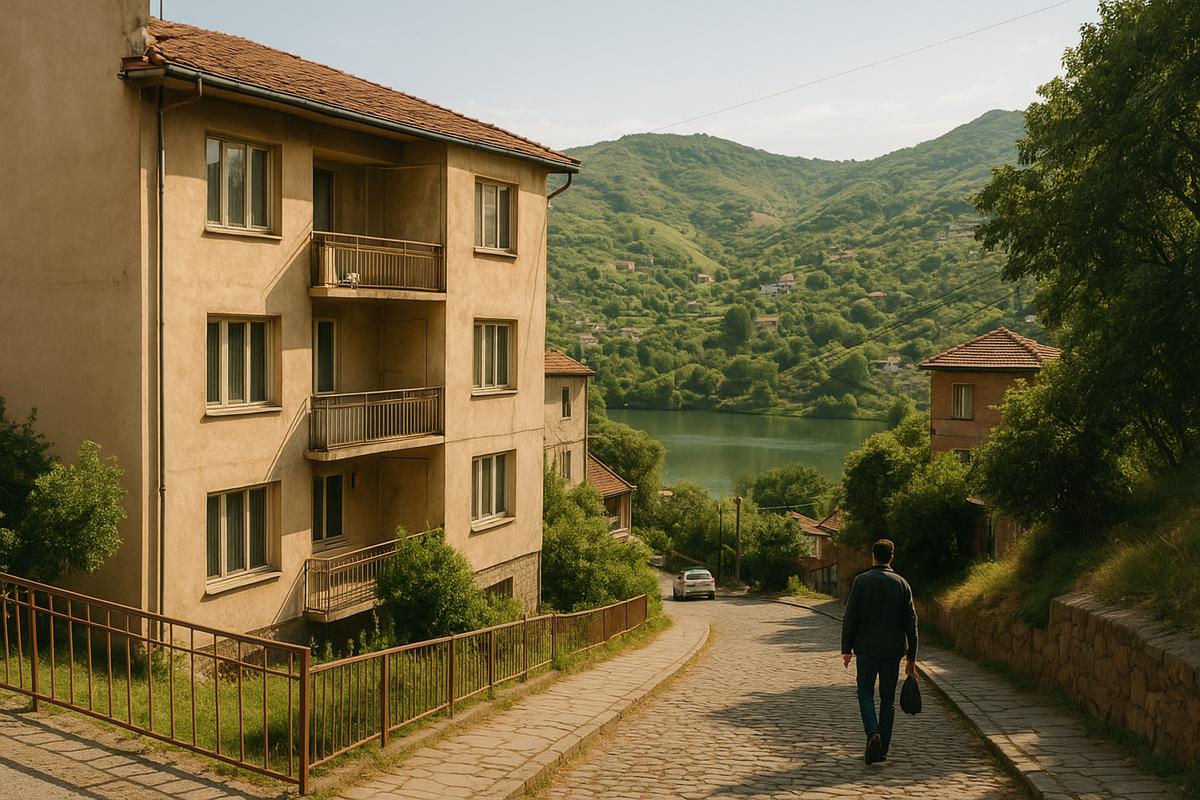
Buying Near Lisi Lake: Access Roads, Slopes and Everyday Amenities
An apartment advertised as “near Lisi” may offer an attractive view, walks and a sense of space. The label does not explain how to reach the lake from the building, where to buy groceries or whether deliveries can approach the entrance. Everyday suitability depends on the individual property's connection to functioning amenities, not the landscape alone.
Separate three features before buying: a lake view, an actual route to the recreation area and the convenience of an ordinary day. They may coincide or involve different compromises.
📍 Start with the exact location
Request the actual vehicle entrance and pedestrian door. Mark the building, parking, gates and walking exit separately. In a larger complex, the shortest line towards the lake may not follow a permitted route.
“Near Lisi” does not promise equal walking access for every property. Locate each building on the map and compare it with the site. An impression of one development should not be transferred to another listing using the same area label.
The official tourism portal Georgia Travel describes Lisi Lake as a Tbilisi recreation area. This provides context for its appeal, but does not establish a convenient path from the apartment or assess its access road.
Walk the entire route to the recreation area
Choose the specific lakeside point you would use. Walk from the building entrance to that point and back. Record gates, stairs, crossings, turns and actual access.
Check whether the route depends on private land, a temporarily open gate or a construction-site passage. If the basis of access is unclear, request documents and an explanation. Being able to pass once does not establish a continuing right.
Treat the return as a separate assessment: a pleasant walk should not conceal an unexpected climb home. Use your normal pace. If you expect to travel with a child, pushchair or groceries, assess that scenario safely.
Do not measure convenience by a straight-line distance. Shoreline visible from the balcony may be much less direct through the existing road and path network.
Treat slopes as part of daily use
A viewing without bags can feel different from returning after work. Note prolonged climbs, steps, surface condition and places where you can stop safely.
Would you repeat the journey several times a week, rather than only on a fine weekend? One household member finding it easy does not establish suitability for everyone.
Map information helps preparation but cannot replace an actual walk. Do not describe a route as suitable for a person with particular access needs without an appropriate assessment. The real conditions matter more than a general impression of a walking destination.
Drive from the main road to the parking space
Test the final approach, gate, ramp and parking position. Inspect surfaces, usable width, visibility on bends and passing space. Check the entrance with the type of vehicle you normally use.
Establish ownership and maintenance of the approach. Where a road is temporary or unfinished, request the agreed scope, responsible party and deadline. Promised improvements are not completed surfacing.
Private land or restricted access requires legal verification of the right to pass. Actual use, maintenance responsibility and access rights are related but different matters.
Do not test traction or clearance through risky manoeuvres. Refer uncertain road and drainage conditions to the appropriate specialists.
Deliveries, taxis and visitors
Check the address given to a courier and where navigation directs them. A new complex's name may not identify the correct gate.
Confirm guest access, a lawful place for a short stop and the route carrying heavy groceries. Can the courier reach the relevant entrance, turn around and contact you if the gate is closed?
Do not assume the courtyard provides unrestricted unloading. If access requires security approval, establish the ordinary procedure rather than a one-off viewing arrangement.
Check important services for the actual address. Delivery somewhere nearby does not confirm the same conditions at your building. Availability and charges can change, so a promotional phrase is insufficient.
🛒 Test the small everyday amenities
List the essentials you use: groceries, pharmacy, services and a transport stop if relevant. Confirm an operating entrance, hours, an adequate range of goods and the way to reach each place.
A small shop may cover an urgent purchase without replacing your normal grocery trip. Water and bread sold in the building do not demonstrate that every routine errand is covered.
Identify tasks still requiring a car or a trip elsewhere. This is not inherently a disadvantage if you knowingly accept the arrangement. It becomes a problem when “everything nearby” turns into unplanned repeated journeys.
Record future facilities separately. Even a specific date in a presentation does not turn a proposed shop, road or stop into functioning infrastructure today.
Return after dark and assess poor-weather conditions
Repeat the visit at another time. Check working lighting at the building approach, vehicle entrance and essential walking route. A lamp being installed is different from illumination actually working.
Where safe, inspect after rain: retained water, surface condition and whether a detour pushes pedestrians onto the road. A puddle photograph does not establish drainage causes or reliability; specialists should assess those questions.
Ask about road maintenance and arrangements for adverse conditions. Do not declare year-round reliability after one sunny visit, and do not inspect during dangerous weather.
A fallback route must actually exist, be available and suit your means of travel. A second dotted line on a map is not yet a working alternative.
📋 Separate observation, documents and promises
| Feature | Personal check | Document or confirmation needed | Still a promise |
|---|---|---|---|
| Lake access | Walk the existing route | Basis for crossing private land | Future passage |
| Vehicle approach | Drive and inspect | Road status and maintenance responsibility | Uncompleted repair |
| Shop | Visit the operating business | Access conditions where relevant | Unit on a future plan |
| Lighting | Inspect after dark | System maintenance responsibility | Proposed lamps |
| Delivery | Check address and entry procedure | Guest-access rules | Future service |
| Alternative route | Walk or drive safely | Rights and restrictions | Proposed road connection |
Assess what each document actually proves. A design, commitment and completion record confirm different stages. “There are documents” does not resolve the issue without examining their content.
Questions for the seller
Ask to see operating routes, understand restrictions and separate existing features from future plans. Useful written questions include:
- Which pedestrian entrance is used every day?
- Where is the permitted route to the recreation area?
- Who owns and maintains each access section?
- Which works remain unfinished and what confirms the commitment?
- How do visitors and deliveries enter?
- Which shops and services are already open?
- What alternative remains available if the main route closes?
- Who receives road, lighting and common-area reports?
Keep answers with viewing notes. Oral expectations should not be scored as completed property advantages.
Choose without inflated expectations
Consider a hypothetical comparison. One apartment offers a striking lake view but an awkward walking detour. Another has no water view but a verified connection to the route and an operating shop. Neither is best for everyone.
Compare your priorities: frequency of walks, other journeys, willingness to drive and reliance on deliveries. Do not attribute guaranteed environmental purity, health benefits or a permanently unchanged view without appropriate evidence.
If an important advantage exists only in the future, assess the home without it. Would today's conditions still suit you? This helps avoid paying for an outcome not yet delivered.
Frequently asked questions
Does a lake view mean an easy walk to the path?
No. Check the actual exit, fences, slopes and operating route.
Is arriving for a viewing by car enough?
It tests only part of the conditions. Walking access, evening light and routine shopping need separate attention.
Does a new development guarantee completed amenities?
No. Compare actual operation with designs and promises item by item.
✅ Before buying near Lisi
Record the address and access points, walk to the lake and check driving, shopping, deliveries and evening conditions. Obtain documents for access rights and unfinished works, then assess the uncertainty that remains.
When searching for Tbilisi apartments with BuyHome, explain how often you want to walk at Lisi and which errands must work without a car. This helps find a suitable home rather than an attractive view alone.
Date added: 03.11.26
Related articles






Related categories

Moving to Batumi
Moving to Batumi: how to choose housing and an area, handle documents, navigate transport, schools and healthcare, and adapt comfortably to seaside life.

Neighborhood guides
Neighborhood guides for Batumi and Tbilisi: comparing areas for living, renting and investing, prices, infrastructure, and 2025 pros & cons.

Cost of living
Cost of living in Georgia: housing, groceries, transport, healthcare, services and utilities — real budgets, examples and hidden expenses.

Healthcare & schools
Healthcare and schools in Georgia: private vs public options, pricing, quality, insurance, choosing clinics and schools, tips for foreigners and families.

Infrastructure in Georgia
City infrastructure in Georgia: transport, roads, healthcare, schools, services and retail — how district development affects quality of life and real estate value.

Weather in Batumi
Batumi weather by months and seasons: air and sea temperatures, rainfall, humidity, and wind. What to consider for comfortable living and renting by the sea.
Benefits of buying property on BuyHome.ge

Best property prices
No commission for buyers
Up-to-Date Properties on the Website
Free property selection
Free transaction support
Free expert consultations

Submit a Request
for a Consultation!

2026 © All rights reserved