

BuyHome.ge
+995 595 33 78 33


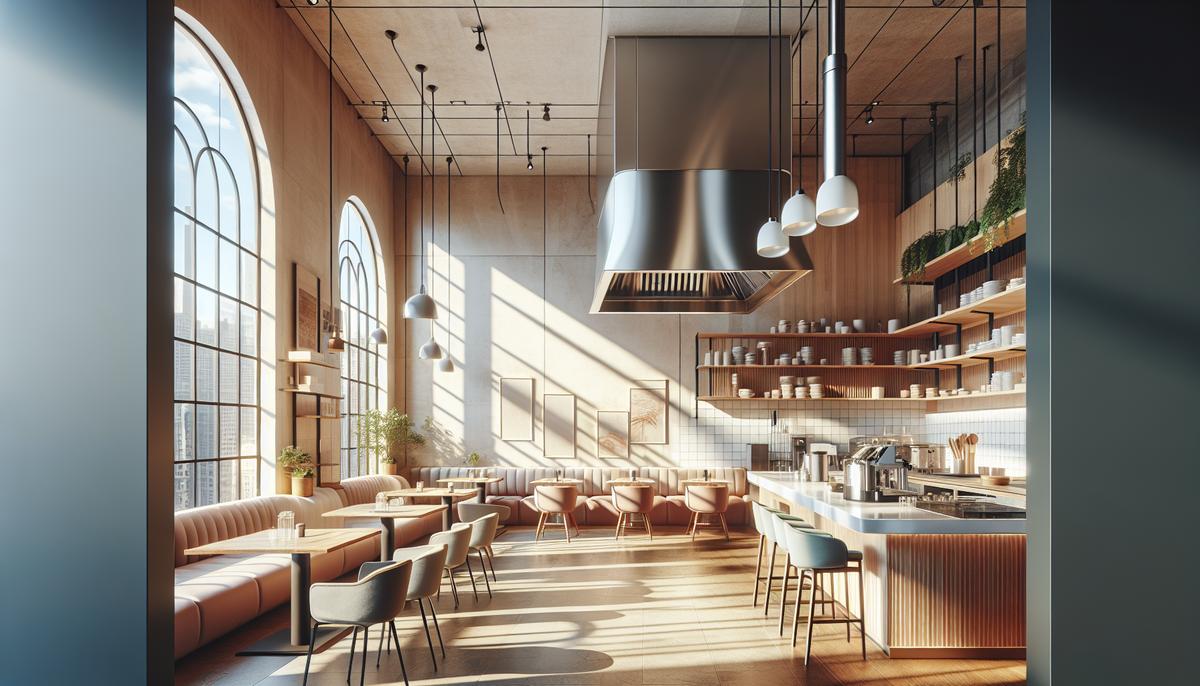
Cafe Premises in Batumi: Requirements, Utilities, Layout
Cafe space in Batumi: what to consider first 🏝️☕
Opening a café in Batumi can be rewarding thanks to tourism and local demand. Yet success depends on choosing a space that meets legal, technical and functional needs: correct utilities, ventilation, safety and a smart layout.
1. Legal and administrative start points 📝
- Confirm zoning and permitted use so a café is allowed in the building. Municipal rules and owners' policies can differ.
- Expect business registration and permits for public food service. It's wise to consult a local lawyer or an experienced agent early on.
- Review lease or purchase terms carefully: length, responsibilities for repairs and utilities, and exit conditions.
2. Utilities and technical systems — must-haves ✅
- Water and drainage: kitchens and sanitary areas require reliable supply and proper waste removal. Check drainage points and sewage connections.
- Electricity: kitchen equipment and lighting demand sufficient capacity. Verify if a separate circuit is available or if upgrading is possible.
- Gas: if you plan gas cooking, confirm availability and safety requirements; consider electric alternatives where gas is restricted.
- Ventilation and extractor hoods: robust extraction and grease filters are crucial for kitchen operations and for meeting inspections.
- Heating and cooling: consider seasonal comfort for guests and operational costs.
3. Layout and workflow — make the space work efficiently 🔄
- Clearly divide zones: kitchen, serving area, storage, staff rooms and customer toilets. A logical flow reduces service time and staff fatigue.
- Separate staff and customer routes where possible. Plan for delivery access and a service entrance.
- Storage space for supplies is essential; a nearby basement or back room simplifies logistics.
- Trash zones should be accessible for collection but discreet for customers and neighbors.
4. Safety and compliance — protect people and business 🔒
- Fire safety: evacuation routes, extinguishers and alarms are typically required. Consult with relevant authorities about standards.
- Sanitary rules: separate dishwashing areas, staff facilities and customer restrooms help pass inspections and create a professional operation.
- Noise and neighbor relations: working hours and soundproofing may be needed, especially in mixed-use buildings.
5. Viewing checklist — what to inspect in person 👀
- Condition of floors, walls, ceilings and utility shafts.
- Ease of access for suppliers and waste removal vehicles.
- Feasibility of installing extraction and other equipment.
- Possibility and cost of reconfiguring the layout and obtaining approvals.
- The business patterns of neighboring tenants.
6. Renovation and investment expectations 💸
Renovation ranges from light cosmetic updates to full overhaul. Before committing, prepare a realistic budget with contractors and expect expenses such as:
- ventilation and extraction installation;
- electrical upgrades and distribution;
- plumbing work for wet areas;
- interior fit‑out and furniture;
- permits and technical documentation.
7. Layout ideas — choose a format that matches the concept 🧭
- Small coffee shop: compact prep area, open counter and flexible seating.
- Full kitchen café: separated production zones, robust ventilation and delivery access.
- Residential area café: focus on insulation, limited hours and careful neighbor coordination.
8. Negotiation tips and practical steps 🤝
- Secure clear terms on who pays for upgrades and who is responsible for utility service in the lease.
- Ask the owner for technical plans and certificates for existing systems.
- If buying, commission an independent technical survey before signing.
If you want help assessing spaces, obtaining necessary checks, or finding properties that match your technical needs, contact BuyHome. We assist with searches, inspections and negotiations to make the process smooth and safe. Visit our search page to start: https://buyhome.ge/en/search
Date added: 01.04.26


Related categories

Rogantini Swiss Village
A curated set of articles about Rogantini Swiss Village in Chakvi: complex reviews, layouts and turnkey delivery, services and management, construction timeline, developer pricing, investment potential, and rental returns.
Benefits of buying property on BuyHome.ge

Best property prices
No commission for buyers
Up-to-Date Properties on the Website
Free property selection
Free transaction support
Free expert consultations

Submit a Request
for a Consultation!

2026 © All rights reserved