

BuyHome.ge
+995 595 33 78 33


Choosing a Floor in Old Town: View, Noise, Humidity, Price
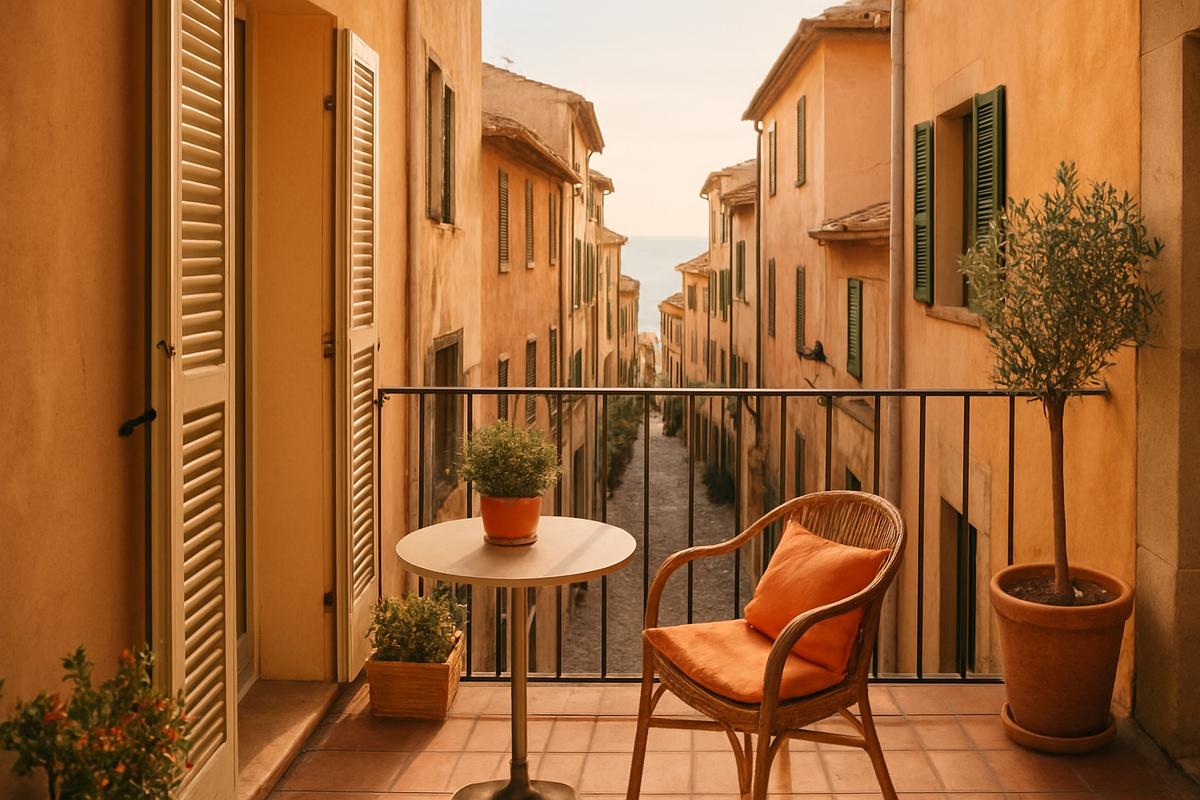
Choosing a Floor in Old Town: View, Noise, Humidity, Price
Which floor to choose in Old Town: practical guide 🏛️
Choosing a floor in an Old Town setting requires thinking differently than in new developments. Historical streets, cafes, and proximity to the sea create a unique mix of advantages and drawbacks. This guide helps buyers and investors weigh view, noise, moisture and price to make a balanced decision.
Why floor choice matters
- View influences daily comfort and later resale or rental demand.
- Noise levels in Old Town can vary greatly by time of day.
- Moisture coming from sea air and old construction affects walls and finishes, especially on lower levels.
- Price differences between floors reflect demand but are only one part of the decision.
Typical tradeoffs by floor
Ground and low floors
- Pros: easy access, better for families with small children or mobility concerns.
- Cons: more street noise, dust, and a higher risk of damp or odors from ground level.
- Tip: check street activity, shopfronts and whether outdoor seating is nearby.
Mid floors
- Pros: balanced comfort, less noise and moisture than ground floor, usually good value.
- Cons: limited panoramic views compared with top floors.
- Tip: mid floors are often the most practical choice for long term living.
Upper floors and attics
- Pros: best views, less street noise, higher rental appeal.
- Cons: potential heat in summer, dependence on roof condition, and access issues if there is no reliable lift.
- Tip: verify roof waterproofing and insulation before buying.
Old Town specifics to check
- Evening and weekend activity. Narrow streets come alive and that can affect sleep and privacy.
- Building envelope. Older facades are sometimes less airtight, so inspect windows and wall insulation.
- Lifts and staircases. In many older buildings lifts are small or missing. Think about moving logistics and everyday convenience.
- Balcony orientation. A balcony over a quiet courtyard is very different from one over a busy tourist street.
Practical steps before you buy ✅
- Visit at different times: morning, afternoon, late evening and a weekend night to judge noise.
- Smell test: check for damp odors, mustiness and ventilation performance.
- Ask about history of roof and facade repairs, and check utility installations.
- If you plan to rent, research which floors are most desirable for your target guests.
- Consider accessibility needs if anyone in your household has mobility challenges.
Quick buyer and investor checklist
- View: sea, skyline or courtyard
- Noise: nightlife and traffic patterns
- Moisture: signs of damp, mold or poor ventilation
- Lifts and services: reliability and modernity
- Price vs value: does the premium for a higher floor match expected benefits
Example recommendations
- Moving to live full time and value quiet: mid to upper floors with good insulation are preferable.
- Renting to tourists: upper floors with views are often more profitable even at higher purchase cost.
- Prioritizing easy access: low floors work but check damp and security features.
Final thoughts
There is no single right answer about which floor to choose. The Old Town requires assessing both technical conditions and lifestyle preferences. A careful site visit and clear priorities will help you find the best balance.
If you want assistance selecting properties that match your priorities for view, noise and moisture, we can help. Start your search or request support on our site: https://buyhome.ge/en/search
Contact BuyHome for a friendly consultation and help finding the right floor and apartment in Old Town.
Date added: 15.06.26
Related articles






Related categories

New Boulevard
New Boulevard in Batumi is one of the fastest-growing seaside areas: infrastructure, new developments, property prices, and investment prospects.

Old Town
Old Town Batumi is the historic city center with unique architecture and atmosphere: housing features, prices, rentals, and investment opportunities.

City Center
Batumi City Center is the most in-demand area of the city, offering strong infrastructure, business and tourist activity, stable rental demand, and high property liquidity.

Airport area
Batumi Airport area is a fast-developing district with new residential projects, improving infrastructure, and strong potential for property price growth.
Benefits of buying property on BuyHome.ge

Best property prices
No commission for buyers
Up-to-Date Properties on the Website
Free property selection
Free transaction support
Free expert consultations

Submit a Request
for a Consultation!

2026 © All rights reserved