

BuyHome.ge
+995 595 33 78 33


Complex Layouts: How to Choose a Good One Without Paying for “Pretty”
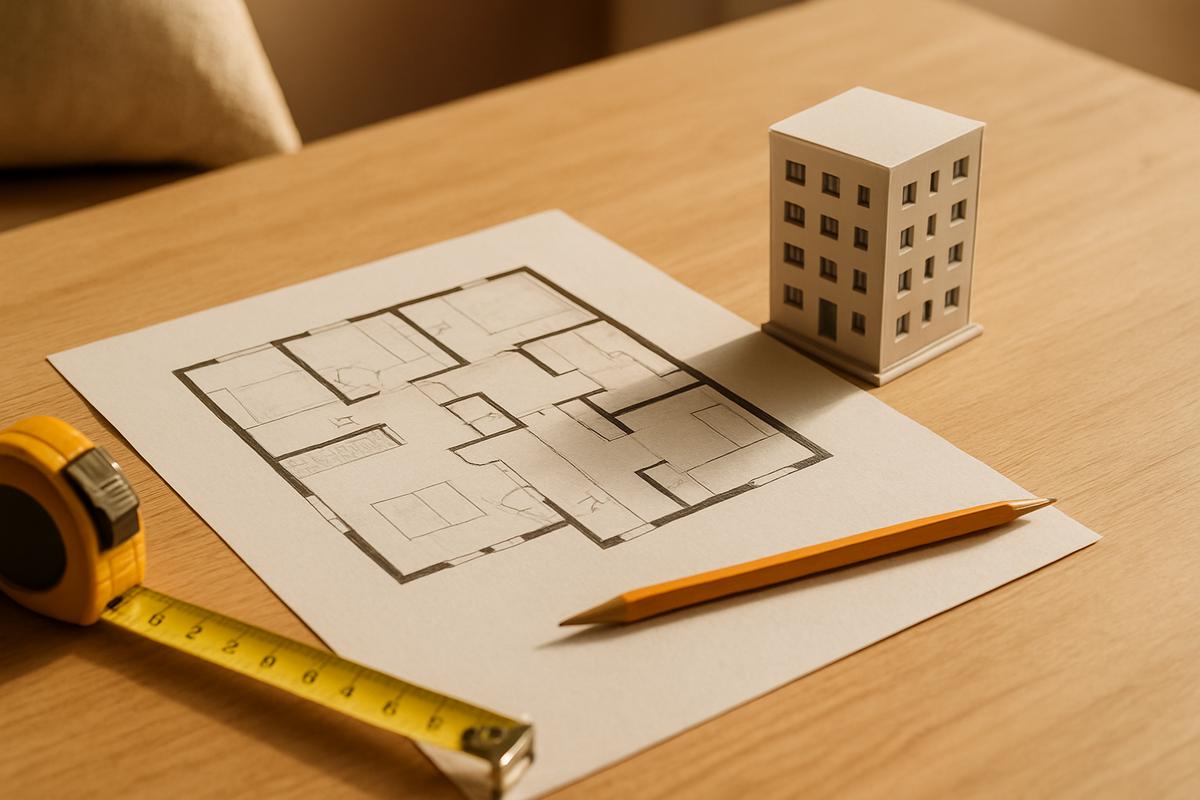
Complex Layouts: How to Choose a Good One Without Paying for “Pretty”
Residential complex layouts: choose wisely and don’t overpay for the “look” 🏢
Buyers and investors often fall for stylish renderings and staged photos. A layout that looks good on paper or in a show-flat may be inefficient in daily life. Here’s a practical guide to evaluate layouts and make decisions based on function, not only appearance.
Start with lifestyle, not impressions ✅
- Think about how you'll use the space day to day: sleep, work, cooking, storage.
- A smart layout accommodates essential furniture without blocking paths or windows.
Usable space vs marketed area 📏
- Check what the developer is advertising: is that gross area, net living area, or including balconies?
- Beware of disproportionate corridors or oddly shaped rooms that reduce practical use.
Kitchens and wet zones — check the plumbing logic 🚿
- Kitchens and bathrooms should be aligned with vertical pipes to avoid expensive rerouting.
- Consider ventilation and whether the bathroom has sufficient exhaust; developers sometimes skimp here in renderings.
Light, orientation and future views ☀️
- Assess window orientation and whether a current view can be blocked by future construction.
- A good balance of natural light reduces energy needs and improves comfort.
Noise and neighbor layout 🔇
- Note where elevators, trash chutes and parking access lie relative to living areas.
- Bedrooms adjacent to busy common spaces reduce comfort and rental appeal.
Avoid dead space and awkward circulation 🧭
- Walk through the plan mentally: is there excessive hallway space or tight corners?
- Efficient layouts minimize wasted footprints and maximize flexible living zones.
Flexibility and reparability 🔧
- Identify which walls are load-bearing. Some trendy open plans are hard or impossible to modify.
- Think about future needs: can a living room be converted to a home office or an extra bedroom if necessary?
Investment perspective and resale potential 💼
- Simple, versatile layouts are easier to rent and sell; niche layouts narrow your buyer pool.
- Prioritize features that matter to tenants and buyers: good kitchen, practical bathroom placement, logical room sizes.
Negotiation tips: where to ask for a discount 🎯
- Use practical faults: poor light, awkward wet zone layout, and loss of usable area as negotiation points.
- Ask for documented plans and compare similar finished units to show discrepancies with promotional materials.
Quick checklist before signing 📝
- Compare plans to actual photos of finished apartments in the same project.
- Verify which area measurement is being used in the contract.
- Map your furniture on the plan to make sure necessary items fit comfortably.
- Ask the agent about upcoming construction around the building.
Final thoughts
A pleasing image should not be the single reason to buy. Prioritize comfort, flexibility and long‑term value. If you feel unsure, we can review specific layouts with you, compare real photos and rending plans, and prepare negotiation points for the developer.
Explore listings and request a consultation to compare layouts and prices. We’ll help you choose a home where the layout works for life, not just for a photo. 🗝️
See available listings on BuyHome
Contact BuyHome — we’ll help you evaluate layouts and avoid overpaying.
Date added: 30.06.26
Related articles



Related categories

How to choose a complex
How to choose a residential complex in Georgia — key criteria affecting comfort, liquidity, and investment returns, with common mistakes explained.

How to complete a deal
How to complete a real estate purchase in Georgia — step-by-step breakdown of the process, documents, timelines, and common buyer mistakes.

Bank account opening
How to open a bank account in Georgia — requirements for foreigners, required documents, timelines, and key banking specifics.

Utilities guide
Utility bills in Georgia — overview of electricity, water, gas, internet, and building maintenance costs, with payment methods and expense calculations.
Benefits of buying property on BuyHome.ge

Best property prices
No commission for buyers
Up-to-Date Properties on the Website
Free property selection
Free transaction support
Free expert consultations

Submit a Request
for a Consultation!

2026 © All rights reserved