

BuyHome.ge
+995 595 33 78 33


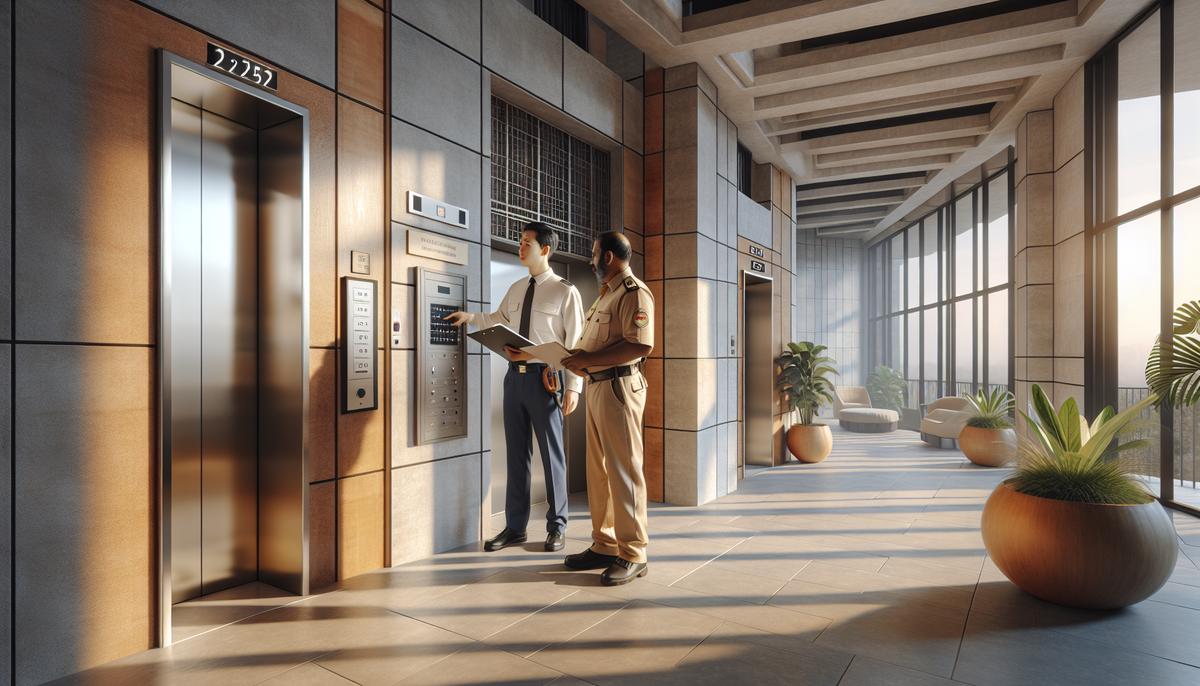
Complex Review: Elevators, Ventilation, Water Quality—What to Check On Site
Introduction
When buying a property, technical systems matter as much as layout and views. Elevators, ventilation and water systems shape daily comfort, maintenance costs, and long-term value. This guide explains what you can realistically check during a site visit and how to spot warning signs. 🏢🔎
Why these systems matter
- Elevators affect convenience and safety for residents.
- Ventilation governs air quality and the risk of damp or mold.
- Water supply and drainage impact hygiene, noise levels and durability of installations.
Even a stylish interior can lose appeal quickly if the building systems are poorly done.
Elevators — what to look for 🚪
Visual and operational checks
- Inspect the cabin: floor level, wall panels and absence of rust or damages.
- Check the control panel: button readability, lighting and presence of emergency communication.
Sound and movement
- Notice unusual sounds during start or stop. A light hum can be normal; sharp knocks, scraping or loud squeals are red flags.
- Test smoothness by riding between floors at different times to see if there are jerks under load.
Documents and maintenance
- Ask to see maintenance records or certificates for the lift equipment. If unavailable on site, request them from the developer.
Ventilation — what to inspect 🌬️
System type and access
- Identify whether the building uses natural, mechanical extraction or balanced ventilation with heat recovery.
- Look for accessible channels and service areas — good ventilation needs regular servicing.
Signs of problems
- Musty smells, condensation on windows, or mold stains are indicators of insufficient ventilation.
- If the apartment is shown with closed windows, ask to ventilate the space and evaluate air freshness.
Simple airflow test
- Hold a lightweight strip of paper near the grille; there should be noticeable airflow. If decorative covers block grilles, clarify how fresh air is supplied.
Water supply and drainage — what to test 💧
Visual inspection and noises
- Turn on hot and cold taps to check pressure and water clarity. Avoid making conclusions from a single run, but note color or unusual turbidity.
- Listen for banging or gurgling when switching taps — these can indicate poor piping installation or hydraulic issues.
Drainage and odors
- Check how quickly sinks and showers drain. Slow drainage or foul smells from drains should be addressed.
Materials and maintenance access
- Ask which materials are used for pipes and whether access panels exist for cleaning and repairs. Quality materials and reachable risers are signs of thought-through engineering.
Questions to ask developers or management ✅
- What warranty covers elevator equipment and who performs maintenance.
- Who is responsible for ventilation cleaning and inspection.
- How is hot water supplied — centralized system or individual units.
- Are there commissioning reports and test certificates for building systems.
Red flags 🚩
- Missing documentation for major equipment.
- Strong or persistent odors, pronounced noises in systems.
- Locked technical rooms without reasonable explanation.
Negotiation and handover tips
- Document any discovered issues and require timelines for fixes in the contract.
- Request a handover certificate that includes checks of engineering systems.
- Consider specifying remedial work to be done under warranty rather than as future responsibility.
Conclusion
An on-site check of elevators, ventilation and water systems is a practical, manageable step that protects comfort and value. With a simple checklist and the right questions, you can avoid common problems and negotiate stronger terms.
If you need help inspecting a specific complex, BuyHome can arrange a technical walkthrough and advise on what to include in the purchase agreement. Contact us and our specialists will guide you through the process. 📞
Date added: 20.03.26




Related categories
Benefits of buying property on BuyHome.ge

Best property prices
No commission for buyers
Up-to-Date Properties on the Website
Free property selection
Free transaction support
Free expert consultations

Submit a Request
for a Consultation!

2026 © All rights reserved