

BuyHome.ge
+995 595 33 78 33


Complex Surroundings: How to Evaluate the Area in a 30-Minute Viewing
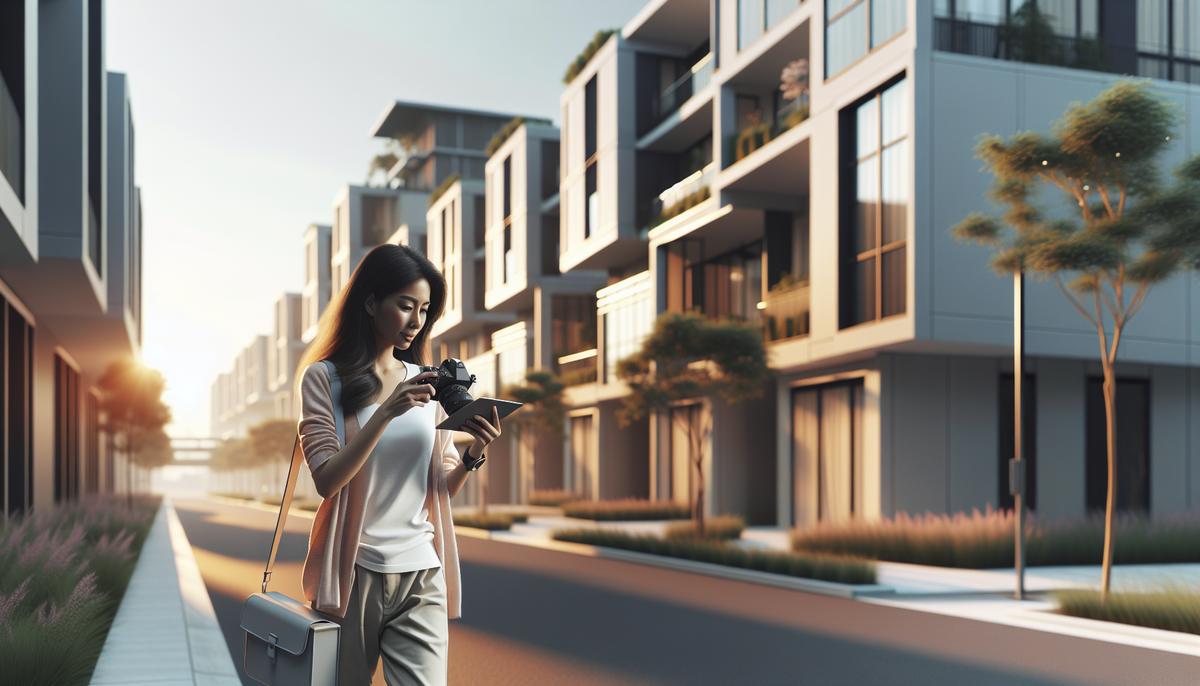
Complex Surroundings: How to Evaluate the Area in a 30-Minute Viewing
How to Assess a Neighborhood in 30 Minutes ⏱️
A focused 30-minute walk around a residential complex can reveal the most important signals about a neighborhood’s livability and investment potential. Use this plan to get clear impressions quickly and avoid common mistakes.
Before you go 🚘
- Prepare a short checklist: transport, shops and services, noise, safety, green spaces, and potential nearby construction.
- Bring comfortable shoes, a phone with camera, and a notes app or small notebook.
- Plan your route: front entrance, main street, nearest public transport stop, and a grocery or pharmacy within a short walk.
A practical 30-minute sequence (approximate)
-
Start at the complex entrance (3–5 minutes)
- Note first impressions: building maintenance, courtyard condition, parking, and entry security.
- Look at access roads and emergency routes — are they clear and well-maintained?
-
Walk the surrounding streets (10–12 minutes) 🚶
- Walk in two directions: towards transit nodes and towards shops/schools.
- Observe sidewalks, lighting, and road surface — these affect daily comfort.
-
Check transport and commuting (5 minutes)
- Find the nearest bus or train stops and consider how peak-hour traffic might affect travel.
- Think about parking: enough spaces, paid vs free parking, potential night issues.
-
Shops, pharmacies and services (3–5 minutes)
- Is there a grocery store or pharmacy within easy reach? Basic services close by increase quality of life.
-
Noise, smells and atmosphere (2–3 minutes)
- Notice noise from traffic, industry, or nightlife. Sound levels change by time of day.
- Pay attention to smells that may indicate waste facilities or industrial activity nearby.
Questions to ask locals 🤝
- How heavy is traffic in mornings and evenings?
- Have there been issues with water, heating or electricity?
- Are there plans for new construction or infrastructure nearby?
- How safe do you feel here and how is the cleaning/maintenance?
Key checklist items ✅
- Infrastructure: shops, pharmacy, school/kindergarten within walking distance.
- Transport: convenience and frequency of routes.
- Noise and odors: consider evening checks.
- Public spaces: green areas, playgrounds, bike lanes.
- Parking and access: space and road conditions.
- Future development: vacant lots or planned projects that can change the area.
What to photograph 📸
- The building exterior and courtyard from several angles.
- Nearby shops, pharmacy, and transport stops.
- Parking areas and access roads.
- Any problem spots: overflowing bins, busy intersections, or derelict buildings.
Mistakes to avoid
- Don’t judge the area by a single moment of the day — if possible, visit in the evening and during a weekday.
- Don’t ignore residents’ comments — short conversations often reveal recurring issues.
- Don’t rely only on developer marketing — verify claims and ask for documentation.
Use-case examples 🏡📈
- For living: prioritize quiet streets, schools, parks and nearby daily services.
- For renting out: prioritize access to universities, transit, and entertainment.
- For investing: study local development plans and demand trends.
Final notes and next steps
A short visit helps filter options quickly, but it’s not a substitute for deeper checking. Request infrastructure plans and official documents if you consider an offer seriously.
BuyHome can prepare a tailored checklist and accompany viewings so you don’t miss essential signs. If you’d like help evaluating neighborhoods or viewing apartments, visit our search page: https://buyhome.ge/en/search
Contact BuyHome — we’ll help you choose the right property with confidence.
Date added: 20.01.26
Related articles





Related categories

How to choose a complex
How to choose a residential complex in Georgia — key criteria affecting comfort, liquidity, and investment returns, with common mistakes explained.

How to complete a deal
How to complete a real estate purchase in Georgia — step-by-step breakdown of the process, documents, timelines, and common buyer mistakes.

Bank account opening
How to open a bank account in Georgia — requirements for foreigners, required documents, timelines, and key banking specifics.

Utilities guide
Utility bills in Georgia — overview of electricity, water, gas, internet, and building maintenance costs, with payment methods and expense calculations.
Benefits of buying property on BuyHome.ge

Best property prices
No commission for buyers
Up-to-Date Properties on the Website
Free property selection
Free transaction support
Free expert consultations

Submit a Request
for a Consultation!

2026 © All rights reserved