

BuyHome.ge
+995 595 33 78 33


Cost Comparison: Service Fee vs Private House Maintenance
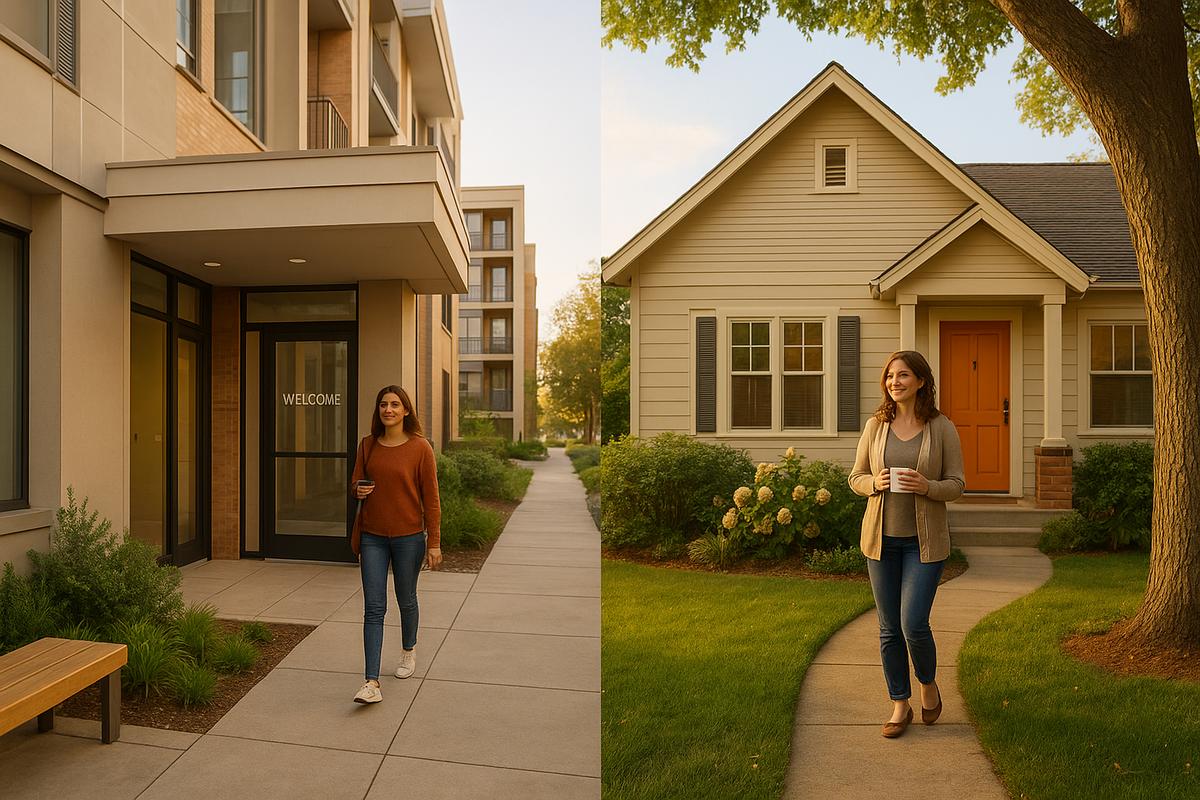
Cost Comparison: Service Fee vs Private House Maintenance
Introduction
When choosing between an apartment in a residential complex and a private house, cost predictability and responsibility are key. This guide compares the regular service fee charged in many complexes with the expenses and responsibilities of maintaining a private house. 🏘️
What is a service fee in a residential complex? 🏢
A service fee usually covers communal services and shared infrastructure. Typical inclusions are:
- cleaning and maintenance of common areas;
- security and access control systems;
- shared technical maintenance for building systems;
- landscaping and waste removal;
- administrative management and coordination.
Benefits: predictable payments and less need to search for contractors. Drawbacks: you may pay for services you rarely use and have limited control over the quality.
What does private house maintenance involve? 🏡
Owning a private house means you’re responsible for both routine and occasional costs:
- utility services and maintenance of heating, water treatment and sewage systems;
- regular upkeep and small repairs;
- garden and yard maintenance;
- insurance and seasonal preparations;
- potential large repairs to roof, foundation or main systems.
You can choose service levels and contractors, but you must manage and finance all work.
Main differences: predictability, control and risk
- Predictability: service fees are often fixed and easier to budget for. Private houses require a reserve to cover unexpected repairs.
- Control: in a complex the management defines service standards; in a private house you select providers and control quality.
- Time vs money: a private house can save money if you do much work yourself, but it needs more time or paid management.
Practical tips for comparing costs ✅
- List the services you value most. Compare what is included in the complex fee against what you would pay separately.
- Ask the complex for transparent reporting on how fees are spent.
- For a private house, build an emergency fund for major repairs and seasonal needs.
- Factor in non-monetary costs like time spent managing contractors and upkeep.
- Review contracts carefully: look for clauses about special assessments in complexes and warranties for house systems.
Scenarios to consider (no exact figures)
- If convenience and predictable monthly costs matter most, a residential complex with a clear service fee is often the better choice.
- If you prefer full autonomy and can handle maintenance tasks or coordinate contractors, a private house offers flexibility and potential savings, but also exposure to large, irregular expenses.
How to calculate total ownership cost
- Create an annual budget including fixed fees, variable utilities, seasonal work and a repair reserve.
- Compare annual totals rather than only monthly charges to see the real picture.
- Consider resale and rental potential: well-managed complexes can be attractive to renters; houses may attract longer-term tenants but require more management.
Tips for investors and long-term residents
- Investors should weigh demand in the local market: complexes with good amenities are easier to rent; houses may appeal to families seeking space.
- Long-term owners should assess the life cycle of building components: older houses may have higher probability of large repairs.
Summary checklist ✅
- Decide: is convenience or control more important?
- Check transparency of fees and the management company in complexes.
- Prepare a maintenance reserve for a house.
- Compare annual costs and non-financial factors (security, location, time).
If you need help comparing real listings in Batumi or elsewhere in Georgia, BuyHome can prepare a tailored cost comparison and show options that match your priorities. Contact us and we'll help you choose the right property. 😊
Explore listings: https://buyhome.ge/en/search
Date added: 07.08.26
Related articles






Related categories

White vs black frame
White vs black frame in Georgia: what’s included, which renovation stages you’ll face, real-world cost differences, and which option is better for your budget and timeline.

Batumi vs Tbilisi
Batumi vs Tbilisi for property buyers: prices, neighborhoods, infrastructure, rental demand, and growth outlook. A clear guide to choose the right city for your goals—sea lifestyle or capital-city investing.

New vs resale
Primary vs resale property in Georgia: prices, condition, move-in timelines, deal risks, and real returns. A clear guide to choose the best option for living, renting, or investing.

Complex vs house
A practical comparison of residential complexes vs private houses in Georgia—costs, risks, rental income, and resale liquidity to choose the right format.
Benefits of buying property on BuyHome.ge

Best property prices
No commission for buyers
Up-to-Date Properties on the Website
Free property selection
Free transaction support
Free expert consultations

Submit a Request
for a Consultation!

2026 © All rights reserved