

BuyHome.ge
+995 595 33 78 33


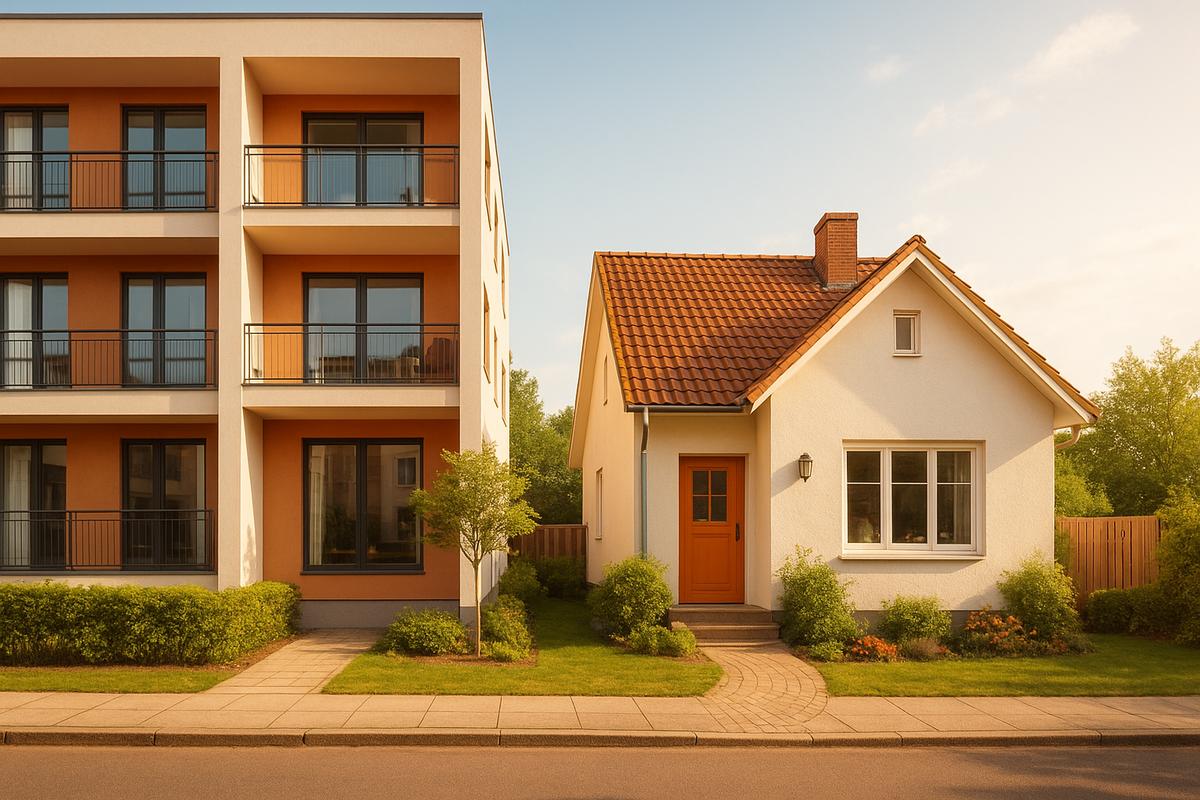
Decision Checklist: 15 Questions “Complex vs House” Before Buying
Decision Checklist: 15 Questions “Complex vs House” Before Buying
Why use this checklist? 🏠
Buying property is a major decision. This checklist of 15 clear questions helps you compare an apartment in a residential complex and a standalone house. It focuses on practical daily life, likely costs, and potential risks — so you can make an informed, confident choice.
How to work through the checklist
- Pick one house listing and two different apartment options in the desired area.
- Answer each question with facts and personal priorities — then score or rank your options.
- Consider which trade-offs you can accept: maintenance vs privacy, city access vs space.
The 15 essential questions to ask ✅
1) Location and transport 🚗
Compare commute times, public transport options, and access routes. Apartments often offer better walkability; houses may require private transport and attention to seasonal road conditions.
2) Utilities and maintenance costs 🧾
Complexes usually charge monthly maintenance fees for common areas. Houses may have higher heating or yard costs but fewer shared fees. Estimate ongoing costs realistically.
3) Space and layout 📐
Houses typically provide more flexible space and easier renovation options. Apartments can be efficient and easier to rent out — think about how you’ll use rooms day-to-day.
4) Privacy and noise 🔇
A house gives more privacy; an apartment may be quieter in terms of street noise but exposed to neighbors. Visit at different times to assess real noise levels.
5) Security and access control 🛡️
Residential complexes often include security, gates, and concierge services. For houses, consider gates, alarms, and lighting as part of the cost and effort.
6) Neighbours and rules 👥
Complexes have rules about renovations, pets, and noise which can be helpful. In a private neighbourhood, community norms matter — get to know potential neighbours.
7) Renovation and expansion potential 🔨
Houses allow more freedom for extensions and major works. Apartments are limited by building regulations and load-bearing structures.
8) Local infrastructure and services 🛍️
Check nearby shops, schools, clinics, and parks. Complexes may include on-site amenities; standalone houses depend on district infrastructure.
9) Parking and access 🚗
Confirm available parking spots, guest parking, and any extra fees. For a house, verify official access rights and where visitors will park.
10) Legal status and risks 📜
Verify land titles for houses and construction permits for complexes. Legal checks before signing can prevent costly surprises later.
11) Energy efficiency and comfort 🌤️
Newer buildings might be more energy-efficient, but materials and insulation matter most. Ask about heating systems and thermal performance.
12) Rental and resale potential 💼
Apartments in complexes can be easier to rent and sell in urban markets. Houses appeal to families and can perform well in certain locales — think about demand where you buy.
13) Upkeep of yard and common areas 🌳
Decide whether you want to manage a garden or prefer a managed yard. Consider time, cost and seasonality of maintenance tasks.
14) Natural hazards and emergency access ⚠️
Check flood history, drainage, and proximity of emergency services. For remote houses, response times may be longer.
15) Emotional fit — does it feel like home? ❤️
Visit at different times of day and imagine daily life. Often the final choice includes an emotional element alongside rational factors.
Practical tips before signing ✍️
- Ask for past utility bills and maintenance records.
- Request official plans and permits; consult a lawyer for land questions.
- Make a post-purchase to-do list with rough cost estimates.
- If buying in a new complex, confirm completion timelines and warranties.
Final thought — which is better for you?
Choose a complex if you prioritise convenience, managed services and city living. Choose a house if you value space, privacy and control. Use these 15 questions to make a balanced decision based on facts and lifestyle needs.
If you'd like help applying the checklist to real listings or want personalised advice, explore our search or contact us for a consultation: https://buyhome.ge/en/search
Contact BuyHome — we’ll help you compare options and check documents before you buy.
Date added: 07.08.26
Related articles




Related categories

White vs black frame
White vs black frame in Georgia: what’s included, which renovation stages you’ll face, real-world cost differences, and which option is better for your budget and timeline.

Batumi vs Tbilisi
Batumi vs Tbilisi for property buyers: prices, neighborhoods, infrastructure, rental demand, and growth outlook. A clear guide to choose the right city for your goals—sea lifestyle or capital-city investing.

New vs resale
Primary vs resale property in Georgia: prices, condition, move-in timelines, deal risks, and real returns. A clear guide to choose the best option for living, renting, or investing.

Complex vs house
A practical comparison of residential complexes vs private houses in Georgia—costs, risks, rental income, and resale liquidity to choose the right format.
Benefits of buying property on BuyHome.ge

Best property prices
No commission for buyers
Up-to-Date Properties on the Website
Free property selection
Free transaction support
Free expert consultations

Submit a Request
for a Consultation!

2026 © All rights reserved