

BuyHome.ge
+995 595 33 78 33


Durable Materials for Short-Term Rentals: Floors, Walls, Textiles
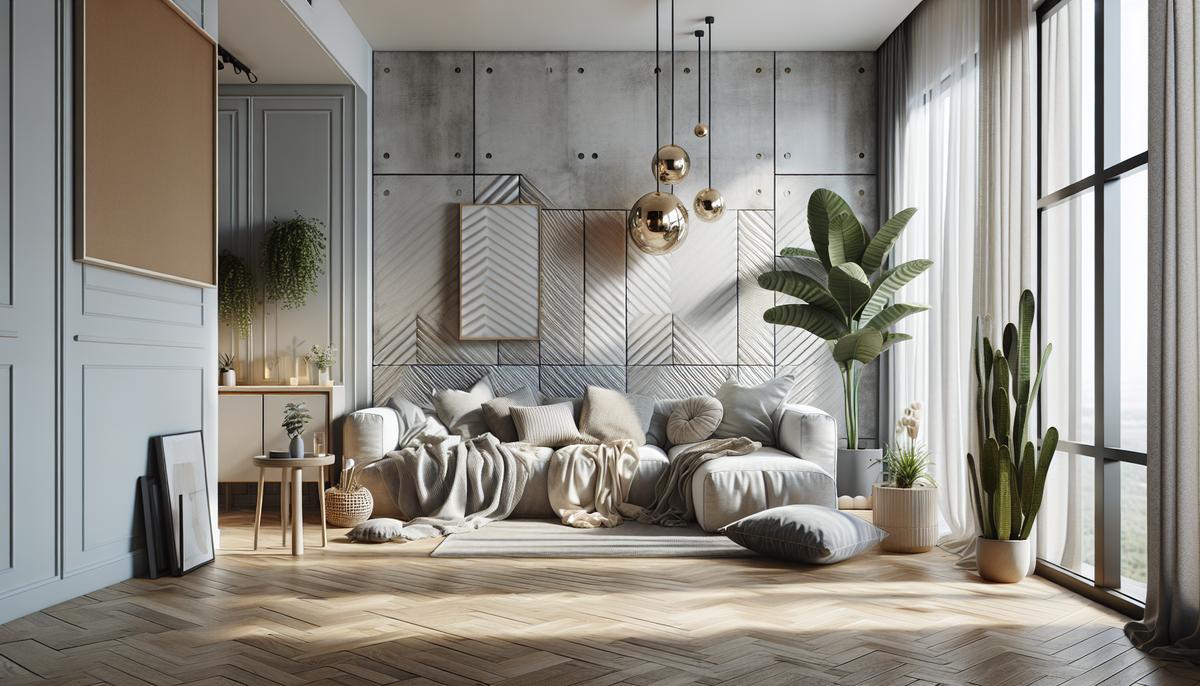
Durable Materials for Short-Term Rentals: Floors, Walls, Textiles
Why durability matters for short‑term rentals 🏠
Properties used for short stays experience continuous turnover and varied guest behaviour. Durable materials reduce repair frequency, keep cleaning simple, and help you maintain high ratings. This guide focuses on floors, walls, and textiles — the three areas that most affect operating costs and guest impressions.
Floors: resilience and easy cleaning 🧼
What to prioritize
- Tile and porcelain are excellent where water and spills occur, such as bathrooms and kitchens.
- High‑wear laminate or luxury vinyl plank offers a modern look with impact resistance and easier installation.
- Finish matters: matte or textured surfaces hide scratches and scuffs better than glossy finishes.
Practical tips
- Use entry mats to trap grit and reduce wear at doorways.
- Protect high‑traffic zones (hallways, under dining chairs) with area rugs or runners that have a non‑slip backing.
- Choose materials with a protective wear layer to extend the visual life of the floor.
Walls: washable surfaces without sacrificing style 🎨
Recommended solutions
- Washable paints with a scrubbable finish are cost‑effective and versatile.
- Vinyl or non‑woven wallpapers designed for durability work well in public areas.
- Splash panels or tiles behind kitchen counters simplify cleaning and prevent staining.
Design approach
- Textured, warm tones oftentimes conceal marks better than flat, bright whites.
- Combine practical finishes in utility zones with softer decorative elements in sleeping or lounge areas.
Textiles: comfort and low maintenance 🛏️
Choosing fabrics
- Upholstery should be stain‑resistant and amenable to spot cleaning; removable covers are a big advantage.
- Window treatments that can be laundered or are easy to dust cut down on maintenance time.
- Bed linens and towels should be durable and quick to dry; keep spare sets for fast turnover.
Protective measures
- Use washable slipcovers for sofas and seat cushions to address stains quickly.
- Consider practical choices for cushions and throws that are machine‑washable.
Maintenance systems that make a difference 🧰
- Develop a simple cleaning checklist for between‑guest turnovers that covers high‑touch points and hidden trouble spots.
- Keep a small repair kit for quick fixes (touch‑up paint, adhesive, basic sewing supplies).
- Train cleaners on what materials tolerate which cleaning methods to avoid accidental damage.
Scenarios and examples ✅
- Coastal apartment: prioritise water‑resistant floors and fabrics that cope with salt and moisture.
- City business rental: opt for sleek, low‑upkeep textiles, easy‑clean surfaces and neutral styling that suits many guests.
- Family‑oriented property: select durable upholstery, stain‑tolerant fabrics and extra protective layers on frequently used furniture.
Budgeting for longevity 💡
Investing a bit more in the right materials usually pays off through fewer repairs and less downtime. Think in terms of life‑cycle value: a better surface that lasts longer reduces operational headaches and guest complaints.
Final thoughts and next steps 🙋♂️
Durable choices don’t have to mean boring choices. With careful selection, you can achieve both a welcoming look and low operating costs. If you’d like help assessing a property and choosing the best materials for your rental strategy, contact BuyHome for personalised advice and options: https://buyhome.ge/en/search
Date added: 09.01.26
Related articles



Related categories

Renovation costs
A practical guide to apartment renovation costs in Georgia—labor and materials, timelines, common pitfalls, and how to control your budget.

Choosing a contractor
How to choose a renovation contractor in Georgia: where to look, what to verify, and how to control quality so you don’t lose time or budget.

Interior
Interior trends in Georgia, layouts, and practical apartment solutions: how to choose a style, plan zones, and create a design that works for living or renting.
Benefits of buying property on BuyHome.ge

Best property prices
No commission for buyers
Up-to-Date Properties on the Website
Free property selection
Free transaction support
Free expert consultations

Submit a Request
for a Consultation!

2026 © All rights reserved