

BuyHome.ge
+995 595 33 78 33


Emergency Care: Who to Call and What to Do First
Emergency Care: Who to Call and What to Do First
Emergency Help: the first minutes matter 🚨
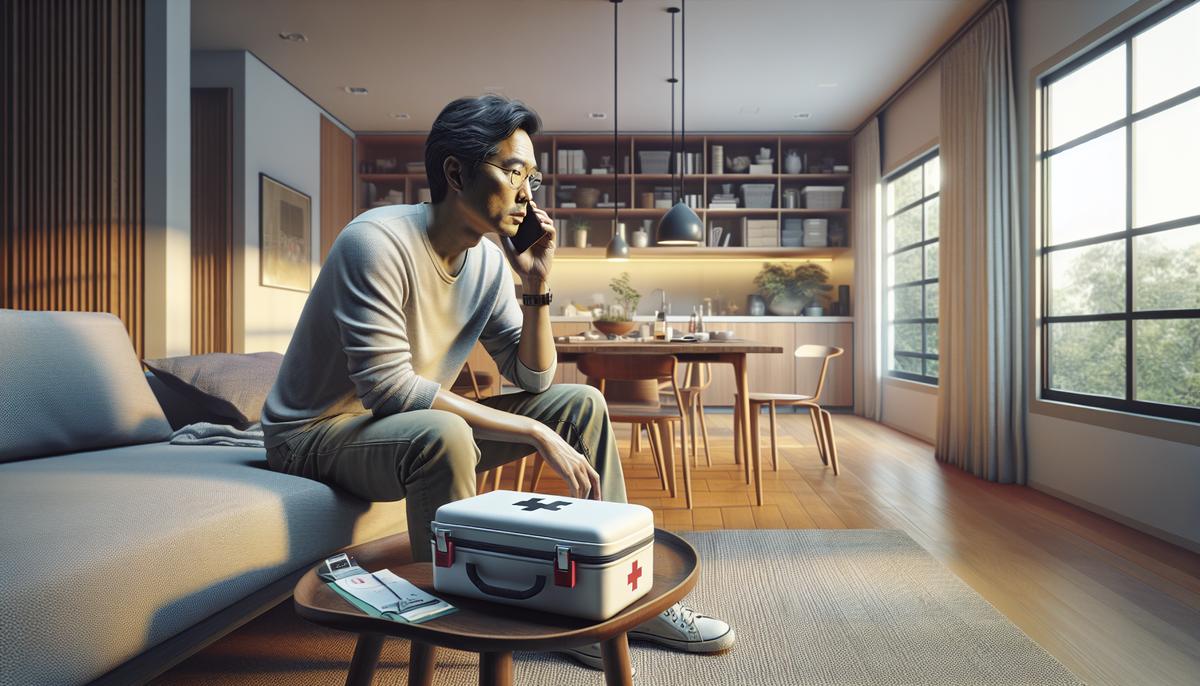
The first actions after an accident or sudden illness can change the outcome. Stay as calm as possible, secure the scene, call for help, and provide basic first aid until professionals arrive. This guide gives clear, practical steps you can take in the first minutes of an emergency.
Quick priority checklist — act in order
- Ensure personal and victim safety. Move to a safe spot if the environment allows it without added risk.
- If there is an immediate hazard (fire, exposed wires, gas leak), evacuate and keep others away.
- Call emergency services and give concise information: location, type of incident, number of injured, and visible injuries.
- Follow dispatcher instructions — they will guide you through vital steps.
- If you are able and trained, begin basic first aid (stop severe bleeding, support breathing).
What to tell the dispatcher 📞
Keep information short and specific:
- Exact or best possible address — street, landmarks, floor or entrance.
- Type of incident: fall, burn, unconsciousness, heavy bleeding, fire, etc.
- Condition of the person: breathing, consciousness, visible bleeding.
- Approximate age and number of injured people.
- Your phone number and what you are doing to help.
Answer the operator’s questions clearly. Their guidance often outweighs any general advice you might remember.
First aid essentials — practical tips 🩺
- Controlling bleeding: apply firm pressure with a clean cloth or bandage and keep pressure until help arrives.
- Unconscious but breathing: place the person in a recovery position to keep the airway open.
- Unconscious and not breathing: start resuscitation measures following dispatcher instructions.
- Burns: cool with running cool water (not ice) and cover with a sterile dressing.
- Suspected spinal injury: do not move the person unless necessary; stabilize the head and neck.
If uncertain, follow the dispatcher — do not attempt risky manoeuvres.
Prepare your home — easy, effective steps 🏠
- Keep a stocked first-aid kit and basic trauma supplies in an easily reachable place.
- Have a functioning smoke detector and a fire extinguisher near kitchens or common areas.
- Save emergency contacts and your address under a clear name in your phone.
- Learn the location of the nearest hospital and emergency services for your area.
If you are planning to move to Georgia or buy property in Batumi, consider proximity to medical and emergency services when choosing a neighbourhood. Browse listings to compare locations: https://buyhome.ge/en/search
Helping children, seniors and people with disabilities 👪
- Create a family evacuation plan and agree on a meeting point.
- Teach children simple actions: where to go, who to call, and how to find a safe adult.
- For people with mobility limitations, keep medication and supplies accessible and a charged phone available.
After the emergency — documentation and follow-up
- Document what happened while details are fresh; keep copies of important papers (insurance, ID) in a safe place.
- Inform building management or neighbours if the incident is related to building systems — that can prevent further incidents.
Emotional support matters ❤️
Trauma affects emotions as well as the body. Reach out to friends, family, or a professional if you or others feel shaken after an event.
Final thoughts
The first minutes after an emergency are critical. Maintain safety, contact emergency services, and follow dispatcher instructions. Preparing your home and family with simple measures significantly improves outcomes.
If you’re moving to Georgia or searching for a home that fits your safety needs, contact BuyHome — we’ll help you find properties with convenient access to services and a safe neighbourhood.
Date added: 10.03.26






Related categories

Moving to Batumi
Moving to Batumi: how to choose housing and an area, handle documents, navigate transport, schools and healthcare, and adapt comfortably to seaside life.

Neighborhood guides
Neighborhood guides for Batumi and Tbilisi: comparing areas for living, renting and investing, prices, infrastructure, and 2025 pros & cons.

Cost of living
Cost of living in Georgia: housing, groceries, transport, healthcare, services and utilities — real budgets, examples and hidden expenses.

Healthcare & schools
Healthcare and schools in Georgia: private vs public options, pricing, quality, insurance, choosing clinics and schools, tips for foreigners and families.

Infrastructure in Georgia
City infrastructure in Georgia: transport, roads, healthcare, schools, services and retail — how district development affects quality of life and real estate value.

Weather in Batumi
Batumi weather by months and seasons: air and sea temperatures, rainfall, humidity, and wind. What to consider for comfortable living and renting by the sea.
Benefits of buying property on BuyHome.ge

Best property prices
No commission for buyers
Up-to-Date Properties on the Website
Free property selection
Free transaction support
Free expert consultations

Submit a Request
for a Consultation!

2026 © All rights reserved