

BuyHome.ge
+995 595 33 78 33


How Many Projects Are Really Being Built: How to Verify Developer Plans

How Many Projects Are Really Being Built: How to Verify Developer Plans
Introduction
Buying off-plan can offer price advantages or capital growth, but it carries risk. Instead of quoting statistics, this guide focuses on practical steps to verify whether a developer's announced projects are likely to be completed.
Why verification matters ✅
- Delays, freezes, and bankruptcies can happen; being informed reduces surprises.
- Proper checks protect time and money and improve negotiation position.
- Documents, track record and transparent financing matter more than glossy visuals.
Documents and sources to check 📂
- Building permits and project documentation. Ask for copies and compare them with public records.
- Land ownership and encumbrances in the public registry. This shows who owns the plot and legal restrictions.
- Company registration and licenses — check the developer’s history and related companies.
- Completion certificates or phased handover acts for existing stages.
- Purchase agreement or equity sharing contract — read exit and refund clauses carefully.
Practical verification checklist ✍️
- Match the plot address and cadastral data with the public registry.
- Ask about past projects: which were completed, which were halted. Request contacts of current residents.
- Talk to neighbours and existing buyers on other projects for candid feedback.
- Clarify the financing sources: company funds, bank loans, buyer funds, or mixed schemes.
- Request a realistic construction schedule with milestones and responsible parties.
- Ensure contracts include remedies and compensation for missed deadlines.
On-site visit: what to look for 🏗️
- Active works: foundation, structural framework, utilities. Long inactivity is a warning sign.
- Presence of equipment, material stocks and marked contractor areas.
- Safety measures, fencing and site management — they indicate project seriousness.
- Consistency between claimed progress and real on-site conditions.
Red flags to watch for 🚩
- Refusal to provide documents or constant excuses.
- Frequent changes of legal entities or subcontractors involved in the project.
- Opaque financing — large cash flows without proper accounting.
- Prices that look too good to be true without clear explanations.
Negotiation and protection practices 💬
- Ask to include penalties for delays, staged payments and refund terms in the contract.
- Consider escrow arrangements or bank instruments if available.
- Use a local lawyer to review agreements and land status.
Scenarios and recommended actions
- Developer with many completed projects: a positive sign, but still verify current permits and schedules.
- Developer with completed projects but a stalled new site: investigate reasons, talk to suppliers and residents, request an updated plan.
- Little to no documentation and vague answers: avoid committing funds without clear guarantees.
Conclusion and quick tips
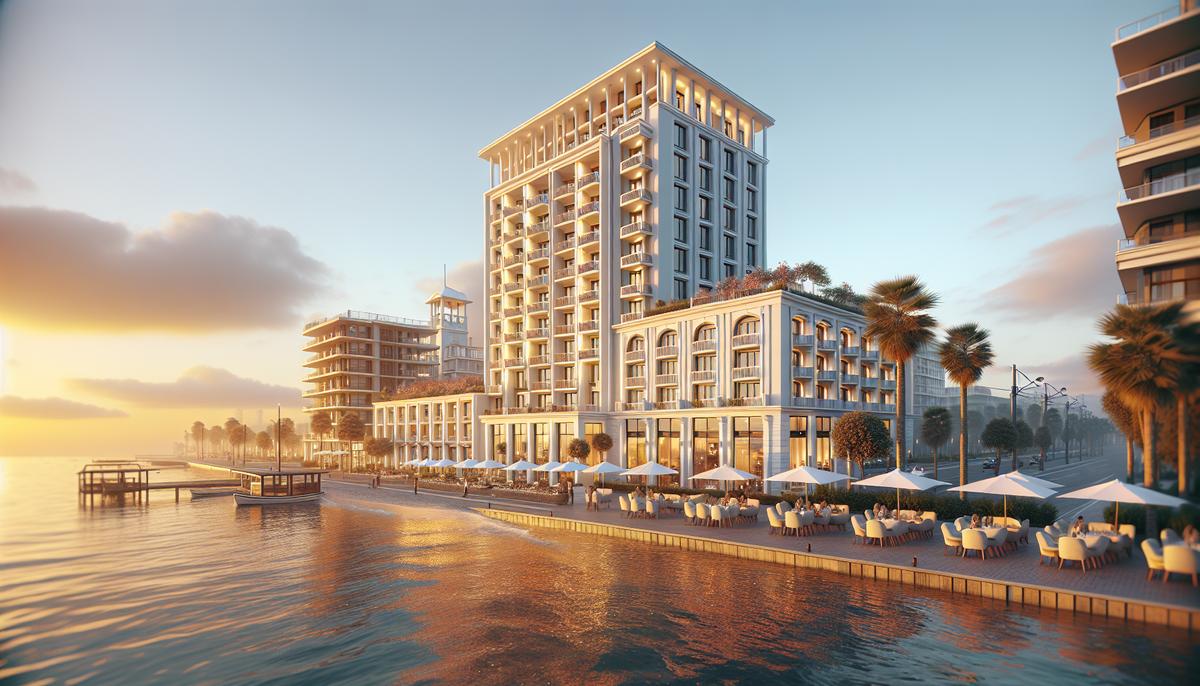
- Don’t rely on promises or renderings — request real documents and confirmations.
- Visit the site and speak with people who have experience with the developer.
- Limit upfront payments and ensure contractual protections for buyers.
If you want professional help checking a developer or finding completed units, see our selection at https://buyhome.ge/en/search or contact BuyHome for a consultation.
Contact BuyHome — we will help verify documents and choose a reliable property for you. 📩
Date added: 20.02.26
Related articles





Related categories

ROI & profitability
A practical guide to real estate ROI in Georgia: how to calculate returns, compare rental strategies, and assess risks, costs, and payback.

Daily rent
Short-term rentals in Batumi and Tbilisi: pricing, seasonality, occupancy, costs, and strategies to earn more and avoid common mistakes.

Long-term rent
Long-term rentals in Georgia: demand by city, real rental rates, costs, risks, and management strategies for stable income.

Market analytics
Georgia real estate market analytics: price dynamics, supply and demand, trends in Batumi and Tbilisi, forecasts, and practical investor takeaways.
Benefits of buying property on BuyHome.ge

Best property prices
No commission for buyers
Up-to-Date Properties on the Website
Free property selection
Free transaction support
Free expert consultations

Submit a Request
for a Consultation!

2026 © All rights reserved