

BuyHome.ge
+995 595 33 78 33


How to Compare Two Complexes: Checklist Version
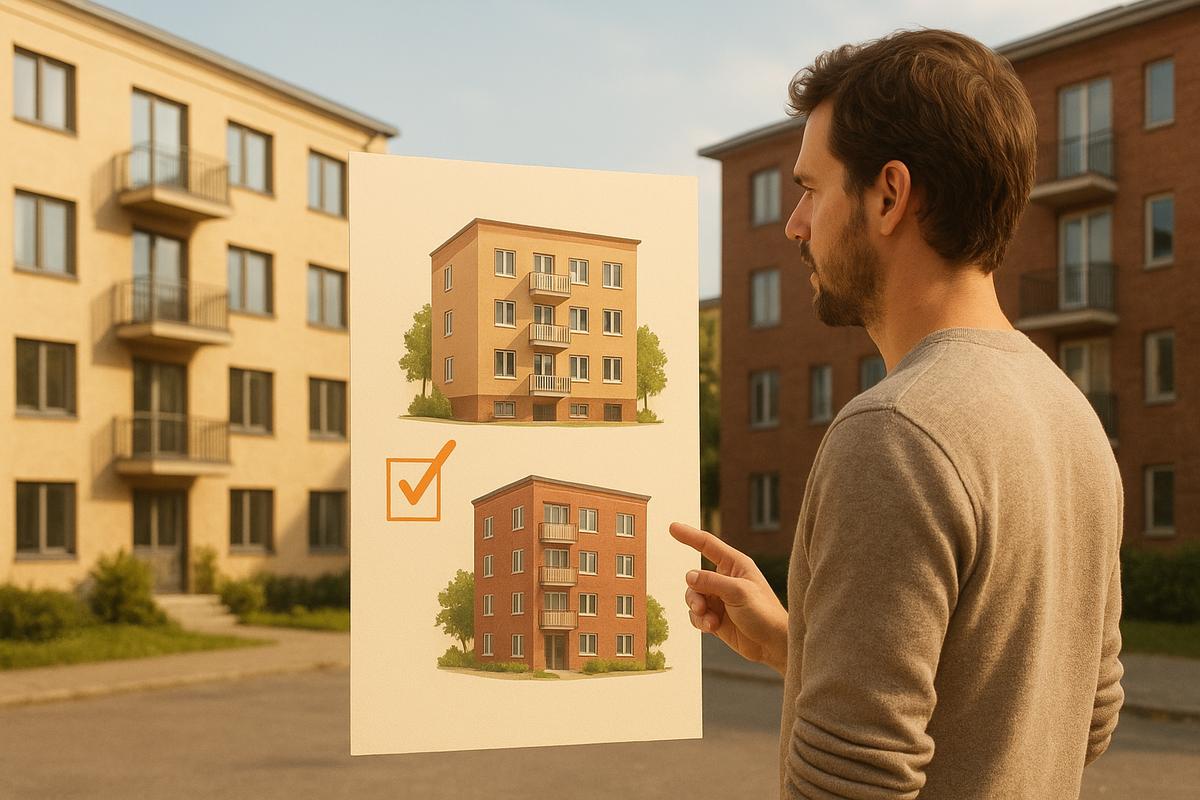
How to Compare Two Complexes: Checklist Version
How to compare two residential complexes — a simple action plan 🏘️
Choosing between two residential complexes can feel overwhelming. This guide shows how to build a clear comparison table and run a checklist to make an objective, evidence‑based decision.
Gather essential information first
- Collect basic facts for each complex: location, construction stage, master plan, price ranges, apartment types, layouts, estimated handover, and developer contacts.
- List your personal priorities: commute, sun exposure, view, transport links, budget, rental potential, and family needs.
How to set up your comparison table (use Excel or Google Sheets) 📋
Create columns: Criterion | Complex A | Complex B | Score A | Score B | Notes.
Use a simple 1–5 scoring scale (1 = poor, 5 = excellent). Converting impressions to numbers helps you spot the better option quickly.
Key criteria to include in the table ✅
- Location & transport: proximity to work, public transport, traffic at peak times.
- Local infrastructure: shops, schools, clinics, parks, on‑site retail and leisure.
- Architecture & layouts: usable apartment plans, floor plates, views.
- Construction quality & materials: facades, windows, insulation, acoustic performance, contractors.
- Property management & service: experience of the management company, service conditions, HOA fees.
- Security: access control, guards, CCTV, lighting in yards.
- Legal documents & risks: permits, land rights, project phase, legal clarity.
- Timelines & guarantees: realistic handover estimates and contractual guarantees.
- Price & purchase terms: flexibility on payment, installments, discounts, extra costs.
- Investment potential: rental demand, area development plans, resale prospects.
Step‑by‑step comparison process 🔍
- Check legal and financial fundamentals first: if a project fails in paperwork, treat it as a non‑starter.
- Compare location and infrastructure — these affect daily comfort and future liquidity.
- Review layouts and technical solutions — compare actual floor plans beyond visualizations.
- Talk to the management company or residents in finished projects to assess service quality.
- Sum up scores, but weigh them against your top priorities — sometimes a higher overall score loses to a better score in the criterion that matters most to you.
Practical tips and example scenarios 💡
- If rental income matters, create a separate rental block in the table: target tenant profile, layout suitability, and transport access.
- For families, highlight childcare, schools, and safe play areas as must‑have items.
- When buying off‑plan, review the purchase agreement carefully, request construction timelines, and verify the developer's track record.
Interpreting results and making the final choice 🤝
- The complex with the highest total score is not always the right pick. Prioritize criteria that match your lifestyle or investment goal.
- Mark deal‑breakers explicitly (e.g., unclear ownership, significant noise sources).
- Do a final walk‑through: visit a show apartment or a finished building, feel the space, check daylight and noise.
Quick checklist template 🧾
- Legal & permits — pass/fail
- Location & transport — score A/B
- Infrastructure — score A/B
- Layouts — score A/B
- Management & security — score A/B
- Price & purchase terms — score A/B
- Final note: why I would buy this complex
A calm, sensible approach
Buying property is both practical and emotional. Pause, compare facts and feelings, and discuss with trusted advisors or a realtor. Ask the developer for clarifications whenever something is unclear.
If you’d like, BuyHome can prepare a ready comparison table for your two chosen complexes and guide you through the checklist step by step. Our specialists will help verify documents and highlight risks. 📞
Contact us — we’ll help you compare options and choose the best apartment without stress.
Date added: 29.06.26
Related articles






Related categories

How to choose a complex
How to choose a residential complex in Georgia — key criteria affecting comfort, liquidity, and investment returns, with common mistakes explained.

How to complete a deal
How to complete a real estate purchase in Georgia — step-by-step breakdown of the process, documents, timelines, and common buyer mistakes.

Bank account opening
How to open a bank account in Georgia — requirements for foreigners, required documents, timelines, and key banking specifics.

Utilities guide
Utility bills in Georgia — overview of electricity, water, gas, internet, and building maintenance costs, with payment methods and expense calculations.
Benefits of buying property on BuyHome.ge

Best property prices
No commission for buyers
Up-to-Date Properties on the Website
Free property selection
Free transaction support
Free expert consultations

Submit a Request
for a Consultation!

2026 © All rights reserved