

BuyHome.ge
+995 595 33 78 33


How to Install Security and Sensors: Apartment Options
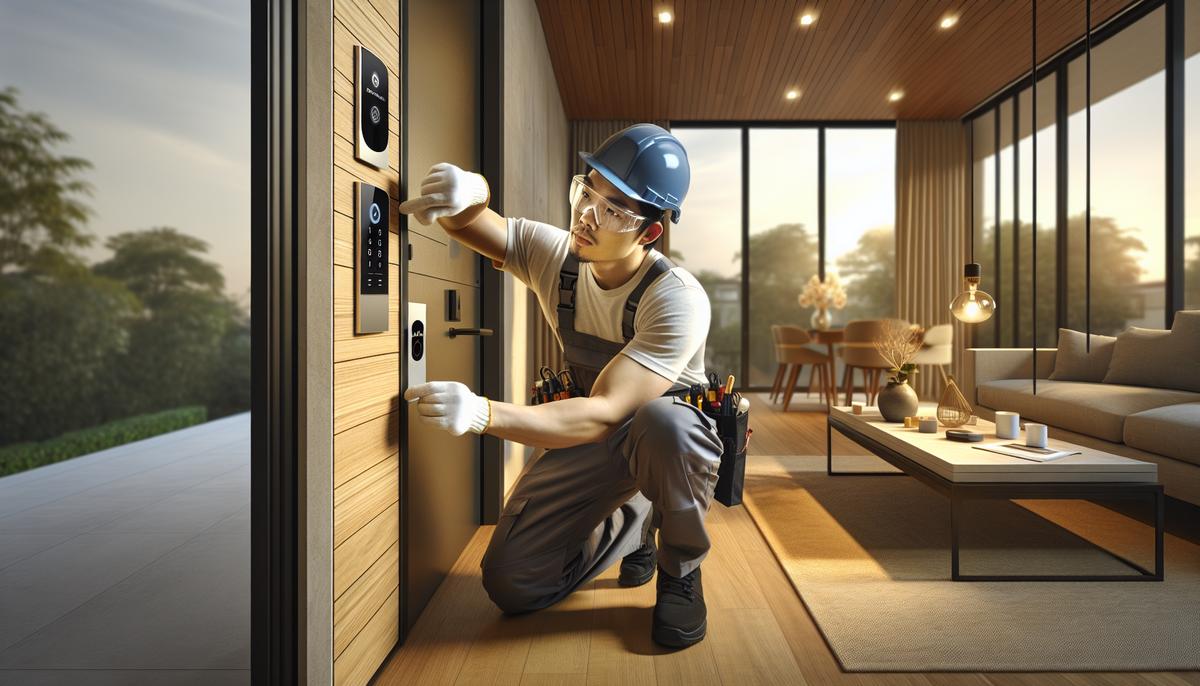
How to Install Security and Sensors: Apartment Options
Choosing a security approach for your apartment ✅
Start with a clear plan: map your risks, the layout of the apartment, building rules and your budget. Apartments often benefit from compact, low-impact solutions — wireless sensors or hybrid systems that avoid major drilling. Always check with building management before major installations.
Main system types 🔒
- Wired systems — reliable and less prone to interference, but require cable runs and may need approvals for installation.
- Wireless systems — easy to install and portable; a good fit for renters or those who prefer minimal changes.
- Hybrid systems — combine wired control panels with wireless sensors for flexibility.
Sensors you’ll typically need 🛡️
- Door/window contact sensors — the backbone for entry detection.
- Motion sensors — for hallways and living areas.
- Glass-break sensors — useful for balconies and large windows.
- Smoke and CO detectors — critical for life safety and often independent from security systems.
- Flood detectors — important for low-floor apartments or properties with aging plumbing.
Choose sensors by coverage: compact units for small rooms, wide-angle motion sensors for corridors.
Connection and monitoring options 📶
- DIY installation — suitable for simple wireless kits; saves money but requires time and basic technical skills.
- Professional installation — recommended for wired systems or full integration with cameras and access control.
- Monitored service — 24/7 professional monitoring with alarm response teams.
- App-based self-monitoring — notifications to your phone with options to alert neighbors or family.
Smart home integration 🏠
If you plan on home automation, pick systems that support common standards and open integrations. That allows scenario-based automation — for example, an "away" mode that arms sensors, locks doors and adjusts lighting.
Practical steps before installation 🔧
- Check building rules and ask management about installation limits.
- Identify priority zones: main entrance, balcony, corridor, bedrooms, kitchen.
- Decide on system type and whether you need professional monitoring.
- Compare suppliers by reviews, guarantees and service plans.
- Ask about maintenance and support options.
Installation and maintenance tips ⚙️
- For wireless systems, plan router placement and test signal strength; add repeaters if needed.
- Ensure backup power — battery support and UPS options help during outages.
- Keep firmware updated and replace batteries on a maintenance schedule.
- Test the system after installation and train household members on arming/disarming and false alarm procedures.
Considerations for renters vs owners 🏢
Renters benefit from non-invasive wireless kits that can be removed without damage. Owners may prefer more permanent wired solutions for long-term reliability and better integration with building systems. Always communicate with neighbors and management to avoid issues.
Budget and expectations 💰
Costs depend on the number and type of sensors, whether you hire professionals, and whether you opt for ongoing monitoring. Options range from economical DIY kits to more comprehensive solutions designed for lasting protection. Balance price, reliability and available support.
Final checklist ✅
- Map zones and protection priorities.
- Choose system type and monitoring method.
- Confirm building rules and necessary approvals.
- Plan for backup power and good connectivity.
- Schedule regular tests and maintenance.
Need help choosing the right solution for your apartment? Contact BuyHome — we’ll help you evaluate options and connect you with trusted installers. Browse apartments and options here: https://buyhome.ge/en/apartments or search properties: https://buyhome.ge/en/search
Date added: 07.03.26
Related articles






Related categories

Moving to Batumi
Moving to Batumi: how to choose housing and an area, handle documents, navigate transport, schools and healthcare, and adapt comfortably to seaside life.

Neighborhood guides
Neighborhood guides for Batumi and Tbilisi: comparing areas for living, renting and investing, prices, infrastructure, and 2025 pros & cons.

Cost of living
Cost of living in Georgia: housing, groceries, transport, healthcare, services and utilities — real budgets, examples and hidden expenses.

Healthcare & schools
Healthcare and schools in Georgia: private vs public options, pricing, quality, insurance, choosing clinics and schools, tips for foreigners and families.

Infrastructure in Georgia
City infrastructure in Georgia: transport, roads, healthcare, schools, services and retail — how district development affects quality of life and real estate value.

Weather in Batumi
Batumi weather by months and seasons: air and sea temperatures, rainfall, humidity, and wind. What to consider for comfortable living and renting by the sea.
Benefits of buying property on BuyHome.ge

Best property prices
No commission for buyers
Up-to-Date Properties on the Website
Free property selection
Free transaction support
Free expert consultations

Submit a Request
for a Consultation!

2026 © All rights reserved