

BuyHome.ge
+995 595 33 78 33


How to Prepare Gift Documents: Checklist
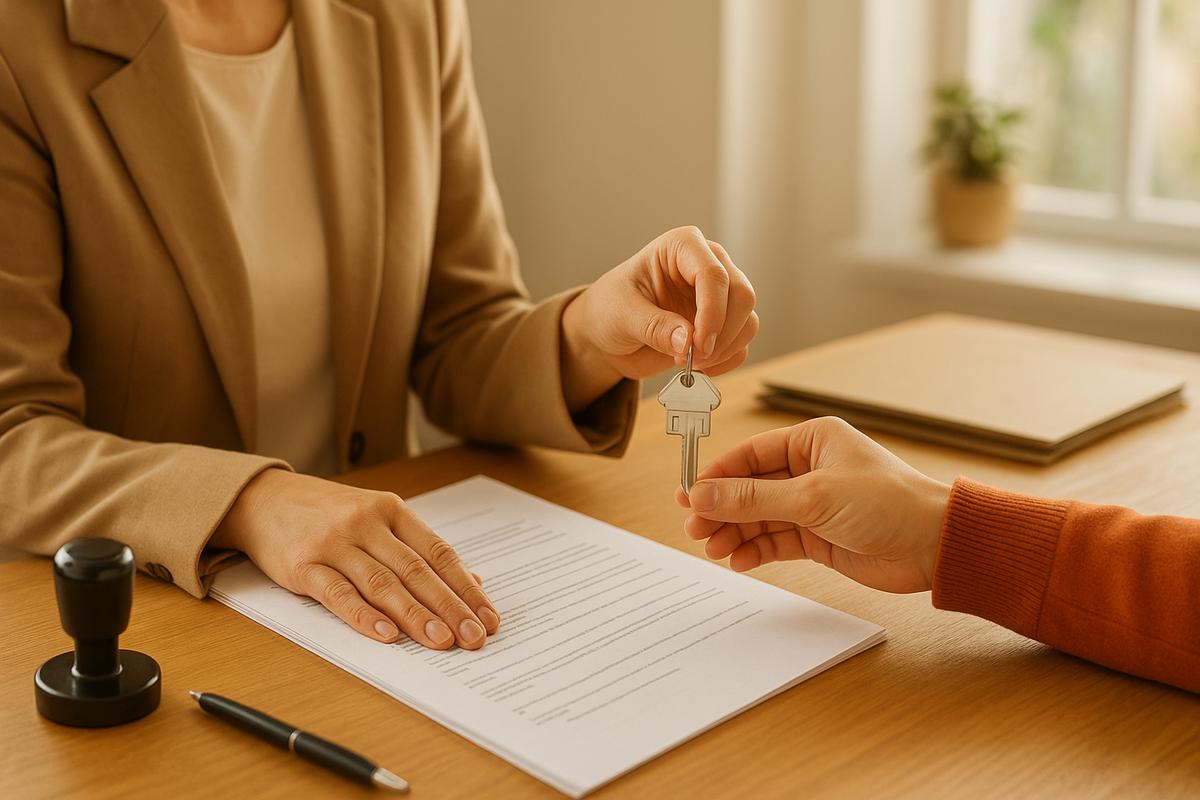
How to Prepare Gift Documents: Checklist
Introduction
Gifting property is a meaningful act and it requires proper documentation and checks. This checklist explains which papers to collect, what legal steps to follow, and how to avoid common mistakes — so the transfer goes smoothly and securely. 😊
Quick overview of the process
- Confirm ownership and check for encumbrances.
- Gather personal IDs and property documents.
- Prepare cadastral and technical papers for the property.
- Sign a notarized gift agreement and register the transfer.
- Consider tax and administrative obligations.
Documents typically required ✅
- Valid IDs for the donor and the recipient. If someone acts on behalf of a party — a notarized power of attorney.
- Proof of ownership: an extract from the public registry or previous purchase documents.
- Cadastral extract, property plan, and technical passport.
- Certificates about outstanding utility debts (recommended to check).
- Spousal consent if the property was acquired during marriage and law requires it.
- Documents confirming absence of mortgages or arrests on the property.
What to check before gifting 🔍
- Confirm the donor's title is clear and properly documented.
- Look for encumbrances: mortgages, arrests, liens, ongoing disputes — these can block a gift.
- Review how the property was acquired to ensure there are no competing claims.
- Verify required consents (e.g., from co‑owners or building management) if applicable.
Notary and registration steps
- The gift agreement is usually notarized; the notary verifies identities and documents.
- After signing, the transfer must be registered with the national public registry (or the relevant service center) to record the new owner.
- Keep copies of the registration documents — they provide legal certainty later.
Taxes and fees to consider 💸
- Gifts between close relatives may be exempt or have preferential treatment depending on local rules; check tax implications beforehand.
- Budget for state registration fees and notary costs. These vary by property type and location.
Common mistakes and how to avoid them ⚠️
- Skipping an encumbrance check: an existing mortgage or court order can prevent the transfer.
- Incomplete documentation: missing cadastral info or outdated registry extracts delays the process.
- Missing consents (spouse, co‑owners) which can invalidate the transfer.
- Improper or vague power of attorney — ensure it is notarized and grants clear authority.
Practical step‑by‑step example
- Gather IDs, registry extract, and the technical passport.
- Order an up‑to‑date cadastral extract and a certificate of no encumbrances.
- Obtain spousal consent in notarized form if required.
- Book a notary to prepare and notarize the gift agreement.
- Register the transfer of ownership with the public registry.
- Verify the new registry entry and store all originals and copies.
Tips from a real estate agent 🏡
- Start early: document collection and checks can take longer than expected.
- If anything is unclear, consult a property lawyer or a trusted agent to reduce risks.
- BuyHome can help verify documents, prepare the agreement, and support you through registration to make the process easier.
Printable short checklist ✅
- [ ] IDs of donor and recipient
- [ ] Registry extract proving ownership
- [ ] Cadastral extract and technical passport
- [ ] Certificate of no encumbrances
- [ ] Spousal consent (if necessary)
- [ ] Notarized gift agreement
- [ ] Registration record in public registry
If you’d like help checking documents or handling the gift transfer, contact BuyHome — we can guide you and support the process. https://buyhome.ge/en
Date added: 25.07.26
Related articles






Related categories

Taxes and fees (purchase and rental)
Guide to taxes and costs for buying and renting property in Georgia: registration and related fees, rental income tax, exemptions, payment deadlines, and practical calculation examples.

Real estate legislation in Georgia
Key rules of Georgian real estate law: ownership rights, public registry registration, purchase and rental transactions, key restrictions, and practical guidance for residents and foreigners.

Developer contracts
A practical guide to developer contracts in Georgia: instalment plans and payment schedules, completion timelines, warranties, penalties, and termination terms. What to review before signing and how to reduce buyer risks.

Transaction risks and security
Seller and property due diligence in Georgia: registries, documents, encumbrances, and key risks. What to verify before the deal to protect yourself and buy with confidence.
Benefits of buying property on BuyHome.ge

Best property prices
No commission for buyers
Up-to-Date Properties on the Website
Free property selection
Free transaction support
Free expert consultations

Submit a Request
for a Consultation!

2026 © All rights reserved