

BuyHome.ge
+995 595 33 78 33


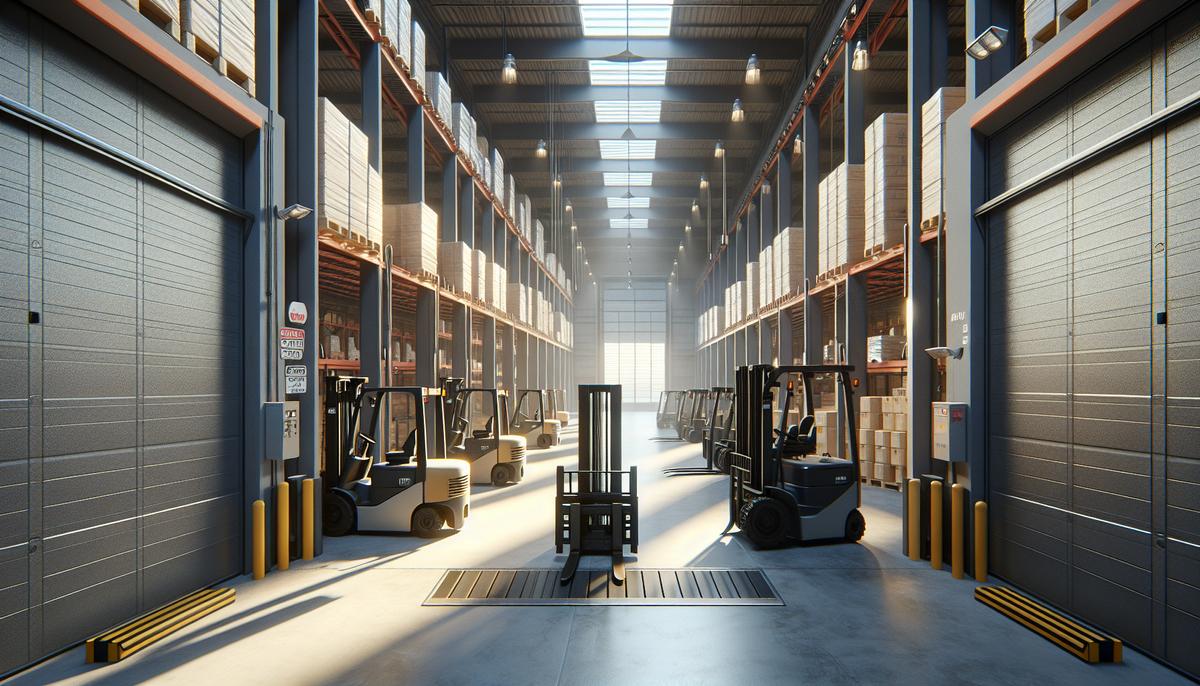
Industrial Premises: How to Evaluate Capacity and Access
Industrial space: how to assess capacity and access 🏭
Choosing an industrial space or evaluating a site for expansion requires a focused technical and logistical check. Capacity and access determine whether a location will support operations smoothly or lead to extra costs and downtime. This guide gives a structured inspection plan, practical checks and a simple checklist for decision makers.
What we mean by capacity and access ⚙️🚚
- Capacity covers the availability of utilities and systems: electricity, water, gas, compressed air, internet and internal material handling (cranes, lifts, forklifts).
- Access means physical and administrative ability to receive raw materials and ship products — road access, loading docks, turning areas, parking and relevant permits or restrictions.
Checking power supply — practical steps 🔌
- Ask for the electricity contract and the currently contracted supply. Confirm whether increases are possible and under what conditions.
- Inspect switchgear and transformer areas and ask about backup arrangements and protection systems. For energy‑intensive processes, consider backup supply options.
- Plan how loads will be distributed across the facility; heavy equipment usually needs separate feeds and protection.
Water, drainage and other utilities 🚿
- Confirm the type of water connection and whether pressure and flow are sufficient for process needs such as washing or cooling.
- Check drainage: are there industrial discharge systems, or will you need additional treatment equipment?
- Verify heating and ventilation capability and whether upgrades are required for your processes.
Gas and process lines 🔥
- Where gas is required, inspect the gas supply line and connection possibilities, and check for restrictions on industrial usage.
- For furnaces or boilers, ensure the site can meet safety standards and certification requirements.
Structural parameters — what to inspect 🧱
- Floors: check load-bearing capacity and condition. Heavy storage or machinery requires sturdy, well‑maintained flooring.
- Ceilings and doors: verify clearance heights for racking, cranes and lifting equipment, and confirm the presence of suitable loading doors.
- Look into structural points for mounting cranes or heavy supports and any limits on modifications.
Logistics and site access 🚛
- Evaluate access roads for year‑round suitability for heavy vehicles and adverse weather.
- Consider proximity to main routes, ports or rail transload points to optimize inbound and outbound logistics.
- Check maneuvering space, presence of ramps and dedicated loading zones.
Workforce and local infrastructure 👷♀️🏙️
- Assess availability of skilled labor and facilities for staff such as parking and amenities.
- Ensure reliable internet and communications — many modern industrial operations depend on stable broadband.
Legal and permitting checks 📜
- Confirm zoning rules and whether industrial use is permitted, including noise and emissions limits.
- Review title history, encumbrances and any permissions required for reconstruction.
- Check fire safety, occupational health and environmental obligations for the intended use.
Practical inspection checklist ✅
- Obtain copies of utility contracts for electricity, gas and water.
- Inspect electrical rooms, grounding and main distribution panels.
- Assess floors, ceilings, doors and crane possibilities.
- Verify access roads and loading facilities.
- Ask about expansion options and expected connection timelines.
- Check compliance with safety and environmental rules.
Strategic advice for buyers and tenants 💡
- Build in capacity reserves — flexibility tends to be cheaper than unplanned downtime.
- Weigh the cost of retrofitting against price and location benefits; improvements can make less‑perfect sites viable.
- Consider adjacent spaces for future growth and logistics synergy.
Conclusion
Assessing capacity and access combines technical inspection with document review. Use a checklist, involve a technical expert and model scenarios for growth. If you need help inspecting or selecting an industrial property in Georgia, BuyHome can prepare a technical brief, arrange site visits and review documents. Contact us to find the right space with reliable capacity and access.
Date added: 02.04.26


Related categories

Rogantini Swiss Village
A curated set of articles about Rogantini Swiss Village in Chakvi: complex reviews, layouts and turnkey delivery, services and management, construction timeline, developer pricing, investment potential, and rental returns.
Benefits of buying property on BuyHome.ge

Best property prices
No commission for buyers
Up-to-Date Properties on the Website
Free property selection
Free transaction support
Free expert consultations

Submit a Request
for a Consultation!

2026 © All rights reserved