

BuyHome.ge
+995 595 33 78 33


Investing at Foundation Stage vs Ready Property: Returns Compared
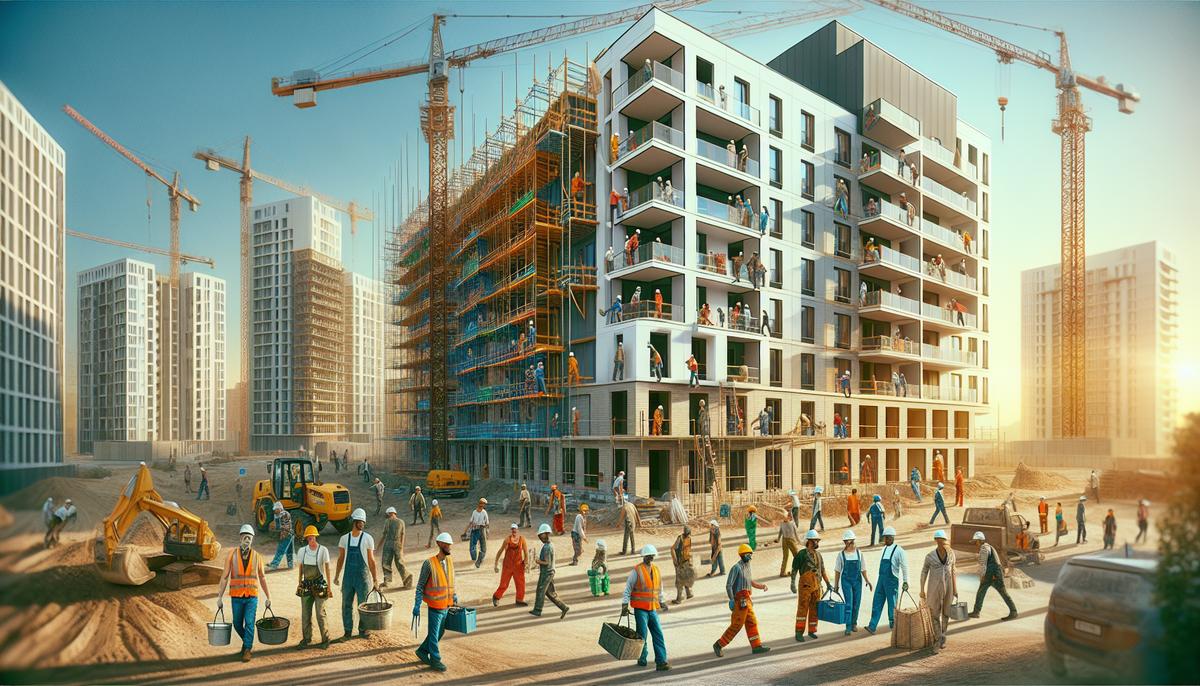
Investing at Foundation Stage vs Ready Property: Returns Compared
Pre-construction vs Finished Property: what to weigh 🏗️🏡
Investing at the excavation stage (pre-construction) and buying a finished property are distinct strategies with different risk-return profiles. This guide explains key differences, how to estimate returns, and practical checks for the Georgian market.
Quick definitions
- Pre-construction: buying before the building is completed, often during early construction stages.
- Finished property: a completed, inspected and legally commissioned apartment or house ready for occupancy or rent.
Benefits of pre-construction investments ✅
- Lower initial price due to early-buyer discounts and time risk.
- Potential for price appreciation by the time of handover.
- Early selection of desirable layouts and floors.
- Flexible payment schedules in many projects can lower upfront capital needs.
Risks of pre-construction ⚠️
- Construction delays and uncertain delivery dates.
- Developer risk: financial problems or halted projects.
- No rental income until the property is completed.
- Quality and management of the finished building are harder to evaluate early on.
Benefits of finished properties ✅
- Immediate rental income or move-in capability.
- Full visibility into construction quality, building management, and local infrastructure.
- Easier bank financing and insurance options.
- Clearer picture of running costs and realistic returns.
Trade-offs with finished properties ⚠️
- Higher purchase price and lower short-term capital upside.
- Potential renovation costs or hidden maintenance issues.
How to compare returns in practice 🔍
- Compare the price gap: how much cheaper is the pre-construction unit versus a comparable finished unit?
- Convert expected gains into annualized returns: consider the time gap until completion.
- Include rental income where applicable — finished units earn immediately, pre-construction units only after handover.
- Subtract realistic costs: taxes, management, maintenance, vacancy, and transaction fees.
Practical approach: calculate a conservative scenario for capital gain from pre-construction and annualize it; then compare that to the net rental yield and expected appreciation of a finished property.
Risk mitigation steps 🛡️
- Choose developers with completed projects and verifiable track records.
- Require clear contracts with payment schedules and refund clauses.
- Verify permits and land ownership documents before committing funds.
- Use escrow arrangements or bank guarantees if available.
- Keep a contingency budget for delays or additional costs.
Investor vs homeowner perspective 🧭
- Investors seeking capital appreciation may accept pre-construction risk for a better entry price.
- Buyers who want immediate occupancy or steady rental income typically prefer finished properties.
- A balanced portfolio can include both: finished properties for stable cash flow and selective pre-construction for growth potential.
Financing and taxes 💼
- Developers often offer installments for pre-construction; bank lending for unfinished properties may be more limited.
- Understand local tax implications and transaction costs — these affect net returns.
- Consult a lawyer or tax advisor for larger investments.
Exit strategies and liquidity 🔁
- Plan exits: hold for long-term rental, sell at handover, or flip later.
- Assess location liquidity: infrastructure, transport links and rental demand determine ease of resale.
Quick checklist before you sign ✅
- Developer reputation and past completions.
- Clear permits and ownership paperwork.
- Transparent contract terms with remedies for delays.
- Local market demand for rent/sale.
- Reserve funds for unexpected developments.
If you're evaluating properties in Georgia, we can run realistic scenarios and help compare options based on your goals. Browse listings at https://buyhome.ge/en/search or contact us for a tailored consultation — we’ll help you choose the right property for investment or living.
Date added: 25.01.26
Related articles






Related categories

White vs black frame
White vs black frame in Georgia: what’s included, which renovation stages you’ll face, real-world cost differences, and which option is better for your budget and timeline.

Batumi vs Tbilisi
Batumi vs Tbilisi for property buyers: prices, neighborhoods, infrastructure, rental demand, and growth outlook. A clear guide to choose the right city for your goals—sea lifestyle or capital-city investing.

New vs resale
Primary vs resale property in Georgia: prices, condition, move-in timelines, deal risks, and real returns. A clear guide to choose the best option for living, renting, or investing.

Complex vs house
A practical comparison of residential complexes vs private houses in Georgia—costs, risks, rental income, and resale liquidity to choose the right format.
Benefits of buying property on BuyHome.ge

Best property prices
No commission for buyers
Up-to-Date Properties on the Website
Free property selection
Free transaction support
Free expert consultations

Submit a Request
for a Consultation!

2026 © All rights reserved