

BuyHome.ge
+995 595 33 78 33


Meters and Readings: How to Submit Data and Avoid Overpaying—Checklist
Meters and Readings: How to Submit Data and Avoid Overpaying—Checklist
Why accurate meter readings matter ⚖️
Incorrect or late meter readings often lead to estimated bills — which can be higher than actual consumption. For buyers, tenants and investors, keeping readings accurate protects against unexpected charges and makes budgeting reliable.
Quick checklist — what to do right away ✅
- Record readings regularly and close to the billing date.
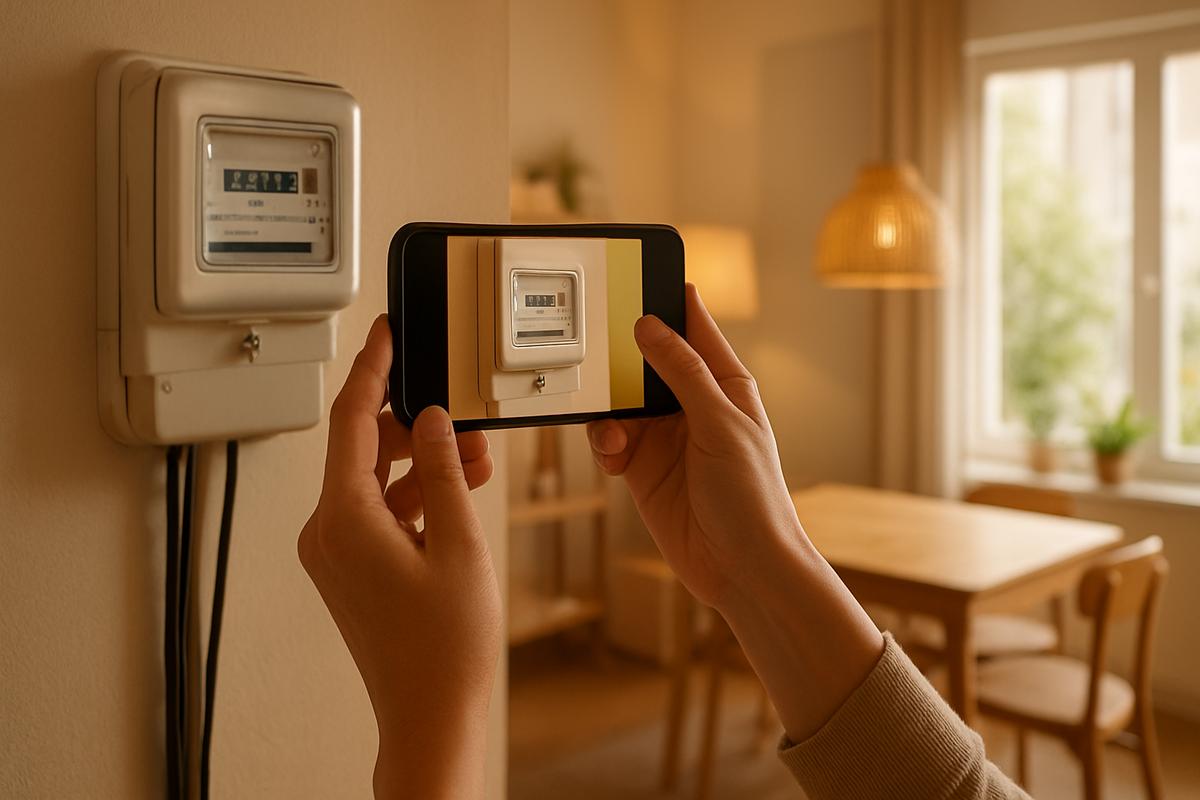
- Photograph the meter display clearly, showing the serial number and surroundings.
- Save confirmation of each submission (screenshots, emails, receipts).
- Always include account number, address and payer name when submitting.
- If a bill looks wrong, gather your evidence and request a recalculation.
Ways to submit readings — practical options 📲✉️
- Online customer portal: usually the most reliable method because it keeps a history of submissions.
- Mobile app: convenient and often allows you to attach photos and notes.
- Email or website form: keep the sent message and any reply as proof.
- SMS or text service: fast, but keep additional photo evidence if possible.
- In person or by post: useful when you need a stamped document.
Note: without account details, providers may not attribute readings correctly — always include identifiers.
How to photograph meter readings — proof checklist 📸
- Take a wider shot that shows the meter in its location (to confirm address/installation).
- Take a close-up of the dial or digital screen with digits clearly visible.
- Ensure a timestamp is visible; if not, keep the timestamped image of your phone or a screenshot of submission confirmation.
- Capture the meter serial number if present.
- Back up photos to cloud storage and email.
What to do if a bill seems too high 🧐
- Compare the current bill with your previous readings and notes.
- Check whether tariffs or extra charges changed.
- Collect photos, submission confirmations and prior bills.
- Contact the supplier’s customer service and request an explanation and recalculation.
- If unresolved, submit a written complaint and keep copies.
Most disputes are resolved after a recalculation if you can present clear evidence. If not, further escalation to a regulator or a formal dispute procedure may be necessary.
Advice for buyers and property investors 🏠💡
- During viewings, check meter condition, installation date and any seals or tampering signs.
- Ask who pays for common-area meters and how costs are distributed in multi-unit buildings.
- Set a simple reporting routine for tenants to prevent disagreements.
- Consider smart meters where possible — they reduce manual errors and simplify verification.
Simple personal record template 🗂️
Date — Reading — Photo (yes/no) — Submission method — Supplier confirmation
Keep this in a spreadsheet or cloud note so you can quickly assemble proof if a bill is disputed.
Common mistakes and how to avoid them ⚠️
- Not including account info — readings may be ignored.
- Sending readings outside the billing period — they might not be applied.
- Relying only on verbal confirmation — always get written proof.
Summary — simple steps to protect yourself 🧾
- Take and send readings regularly and at the right time.
- Photograph the meter with visible serial number and surroundings.
- Keep submission confirmations and historical records.
- If there’s a problem, request recalculation and save all correspondence.
If you’re searching for property in Georgia and want help checking meters or understanding utility setup, start your search or view apartments on our site: https://buyhome.ge/en/search
Contact BuyHome — we’ll help you choose the right property and advise on utility management.
Date added: 06.07.26
Related articles





Related categories

How to choose a complex
How to choose a residential complex in Georgia — key criteria affecting comfort, liquidity, and investment returns, with common mistakes explained.

How to complete a deal
How to complete a real estate purchase in Georgia — step-by-step breakdown of the process, documents, timelines, and common buyer mistakes.

Bank account opening
How to open a bank account in Georgia — requirements for foreigners, required documents, timelines, and key banking specifics.

Utilities guide
Utility bills in Georgia — overview of electricity, water, gas, internet, and building maintenance costs, with payment methods and expense calculations.
Benefits of buying property on BuyHome.ge

Best property prices
No commission for buyers
Up-to-Date Properties on the Website
Free property selection
Free transaction support
Free expert consultations

Submit a Request
for a Consultation!

2026 © All rights reserved