

BuyHome.ge
+995 595 33 78 33


Old Houses vs New Projects Near the Center: What’s Better for Rentals

Old Houses vs New Projects Near the Center: What’s Better for Rentals
Introduction
Choosing a rental property near the city centre often comes down to one question: buy into an older building with character or invest in a modern development with amenities? Both options can work well — the right choice depends on your goals, budget and how involved you want to be in management. 🏙️
Why central location matters 📍
Being close to transport, workplaces and social life increases tenant demand. However, "central" can mean a lively street or a quieter block near parks and cafes. Define your target tenant first — that will guide your choice.
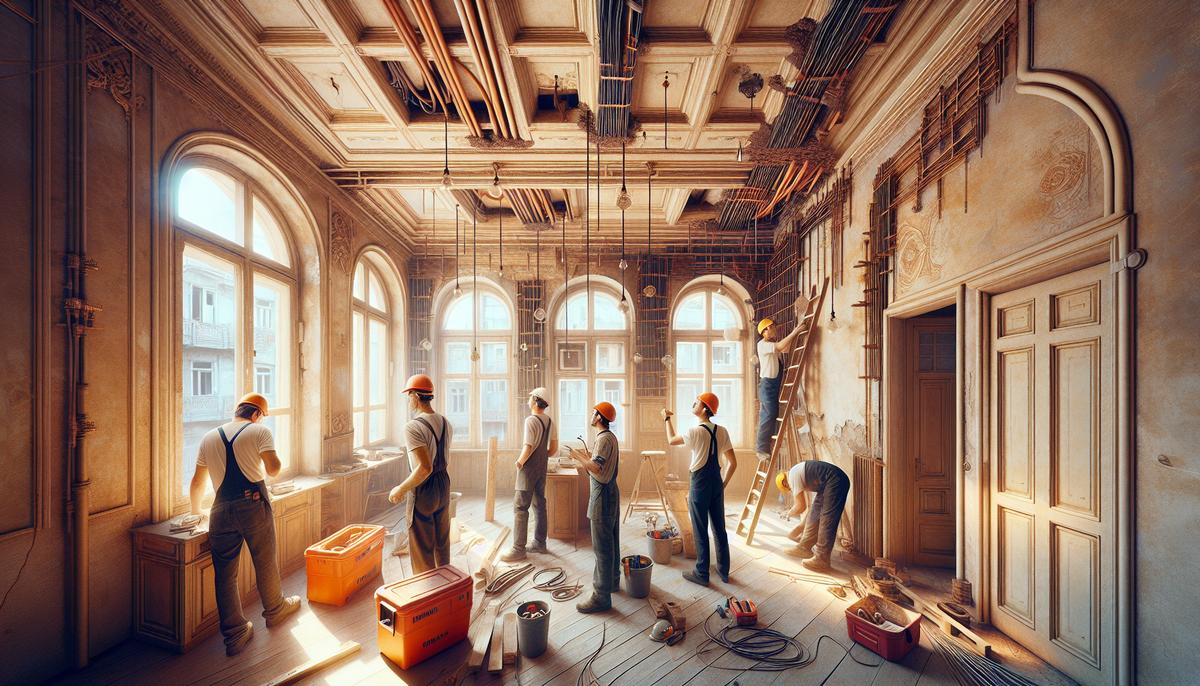
Old buildings: advantages and drawbacks 🏚️
Advantages
- Often a lower purchase price, leaving room for value-adding renovations and improving yield.
- Distinct layouts and higher ceilings in some older units attract tenants who value space and character.
- Renovated units can command a premium on rent and stand out in the market.
Drawbacks
- Hidden maintenance costs: pipes, wiring and common areas can need upgrades sooner than in a new building.
- Potentially higher utility costs due to less efficient structures, which may deter budget-conscious tenants.
- Legal check is essential: shared maintenance debts or land status may create complications.
New developments near the center: advantages and drawbacks 🏢
Advantages
- Modern engineering, insulation and systems reduce running costs and improve tenant comfort.
- On-site services (security, parking, communal spaces) increase attractiveness and justify higher rent.
- Less immediate maintenance worry in the early years, which simplifies management.
Drawbacks
- Higher entry price and competition with similar units in the complex.
- Some new projects target upper segments; if local demand doesn’t match, vacancy may last longer.
- The developer's or property manager's actual service quality matters and can vary.
How to compare for rental profitability ✅
- Tenant profile. Students, young professionals and corporate tenants have different priorities: price, proximity, or quality/service.
- Total cost of ownership. Look beyond purchase price to renovation needs, utilities and management fees.
- Time to stable income. Cheaper units needing renovation may take more time but yield better returns; new units rent faster but start with a higher investment.
- Flexibility. Consider if the unit can be adapted for short-term stays or subletting, and how zoning and building rules affect that.
Practical tips for investors 💡
- Do a full legal and technical check for older buildings before buying.
- Build a maintenance reserve into your budget to avoid surprises.
- Choose finishes that appeal to your target tenant while being durable and easy to maintain.
- Decide if you prefer steady long-term leases or higher management-intensity short-term rentals.
- Use a local property manager if you cannot supervise the property yourself.
- Evaluate the street and neighborhood amenities as much as the building itself.
Typical scenarios
- Tight budget + willingness to renovate → a well-located old apartment can offer strong returns.
- Want low hassle and quick occupancy → a modern development with services may be the better path.
- Diversification strategy → combining both types spreads risk and captures different tenant markets.
Conclusion and next steps 📌
There is no single right answer — it depends on your investment horizon, risk tolerance and how actively you want to manage the asset. Carefully compare running costs, tenant demand and the micro-location.
If you’d like, we can evaluate specific properties and prepare a rental yield estimate tailored to your goals. Browse current offers on our listings: https://buyhome.ge/en/apartments or start a search here: https://buyhome.ge/en/search
Contact BuyHome — we will help you choose the right property and guide you through the process. 🤝
Date added: 23.12.2025
Related articles





Related categories

New Boulevard
New Boulevard in Batumi is one of the fastest-growing seaside areas: infrastructure, new developments, property prices, and investment prospects.

Old Town
Old Town Batumi is the historic city center with unique architecture and atmosphere: housing features, prices, rentals, and investment opportunities.

City Center
Batumi City Center is the most in-demand area of the city, offering strong infrastructure, business and tourist activity, stable rental demand, and high property liquidity.

Airport area
Batumi Airport area is a fast-developing district with new residential projects, improving infrastructure, and strong potential for property price growth.
Benefits of buying property on BuyHome.ge

Best property prices
No commission for buyers
Up-to-Date Properties on the Website
Free property selection
Free transaction support
Free expert consultations

Submit a Request
for a Consultation!

2026 © All rights reserved