

BuyHome.ge
+995 595 33 78 33


Old Town Infrastructure: Schools, Shops, Transport, Promenades
Old Town Infrastructure: Schools, Shops, Transport, Promenades
Old Town infrastructure: quick overview 🏙️
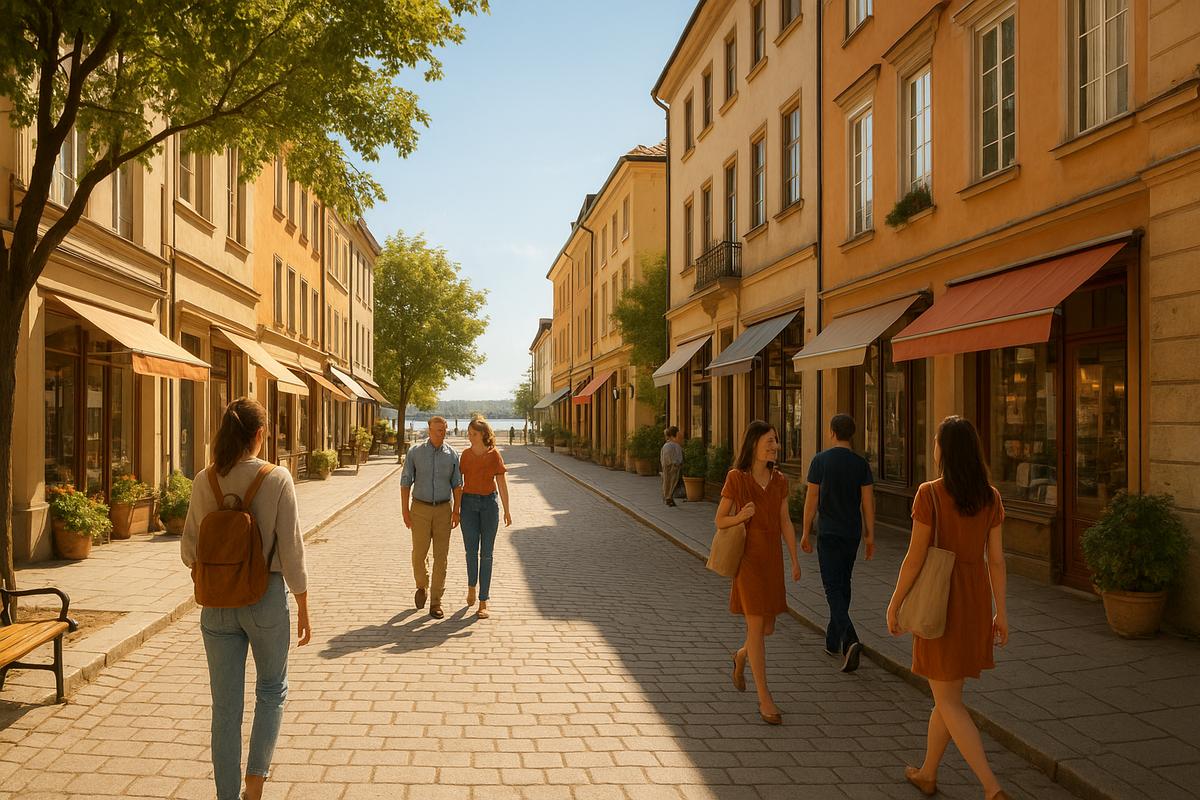
Old Town often blends historical charm with daily convenience. When evaluating property here, focus on key elements: education options, retail and services, transport access, and pedestrian-friendly areas. This guide gives practical tips for buyers and investors who want a realistic picture of living in Old Town.
Schools and daycare 🏫
- You’ll typically find both public and private schools as well as nurseries. Families should consider curriculum types (local, international, bilingual) and the proximity to potential homes.
- Practical tip: visit schools and speak with administrators about class sizes, extra-curricular programs, and arrival/departure routines. These details affect daily life more than a neat brochure.
- Check safety of walking routes for children, options for after-school care, and whether nearby facilities operate year-round.
Shops, markets and services 🛒
- Old Town usually offers a mix of small grocery stores, local markets and several supermarkets within a short trip. Pharmacies, medical clinics and banks are important conveniences to map out.
- Consider whether daily needs can be met on foot or require a short drive. For rental properties, nearby cafés and grocery options increase tenant interest.
- If you rely on deliveries, check how easy access is for couriers and whether there are designated loading areas for larger purchases.
Transport and parking 🚆🚗
- The area is often walkable, but public transport coverage matters for commuting. Look for nearby bus stops, main routes and taxi availability.
- Parking may be limited in denser parts. If you own a car, clarify whether a property includes a parking space, if street parking is regulated, and what alternatives exist for residents.
- Investor note: properties with secure parking or easier access to transport nodes tend to be in higher demand.
Promenades and green spaces 🌳✨
- One of Old Town’s attractions is its proximity to promenades, parks and pedestrian streets. These areas are valuable for morning runs, family walks and social life.
- Check public lighting, benches, playgrounds and noise levels at different times of day. For families, safe, quiet parks close to home are a major advantage.
Practical checklist for buyers 🧭
- Make a local convenience map: mark schools, shops, stops and parks within walking distance. It gives an immediate sense of daily comfort.
- Assess future development: are improvements planned? New commercial projects or transport upgrades can change convenience and investment value.
- Compare several properties in similar micro-locations — often a small move away from a busy street yields a better living environment without losing accessibility.
- Visit at different times — weekday mornings, evenings and weekends — to see real traffic, noise and pedestrian flow.
Solutions for different needs ✅
- Families: prioritize proximity to reputable schools and safe walking routes, plus easy access to playgrounds.
- Investors: seek properties near popular promenades, restaurants and transport, which tend to rent well both seasonally and long-term.
- Quiet-seekers: look for homes slightly set back from main tourist streets to combine centrality with calm.
How BuyHome can help 🤝
We match your priorities with market options and arrange viewings that focus on infrastructure and daily life. Browse current listings and apartments to start.
If you'd like personalized help selecting a property in Old Town, contact BuyHome — we’ll organize viewings and advise on neighbourhood fit. 🌟
https://buyhome.ge/en/search
https://buyhome.ge/en/apartments
Date added: 15.06.26
Related articles






Related categories

New Boulevard
New Boulevard in Batumi is one of the fastest-growing seaside areas: infrastructure, new developments, property prices, and investment prospects.

Old Town
Old Town Batumi is the historic city center with unique architecture and atmosphere: housing features, prices, rentals, and investment opportunities.

City Center
Batumi City Center is the most in-demand area of the city, offering strong infrastructure, business and tourist activity, stable rental demand, and high property liquidity.

Airport area
Batumi Airport area is a fast-developing district with new residential projects, improving infrastructure, and strong potential for property price growth.
Benefits of buying property on BuyHome.ge

Best property prices
No commission for buyers
Up-to-Date Properties on the Website
Free property selection
Free transaction support
Free expert consultations

Submit a Request
for a Consultation!

2026 © All rights reserved