

BuyHome.ge
+995 595 33 78 33


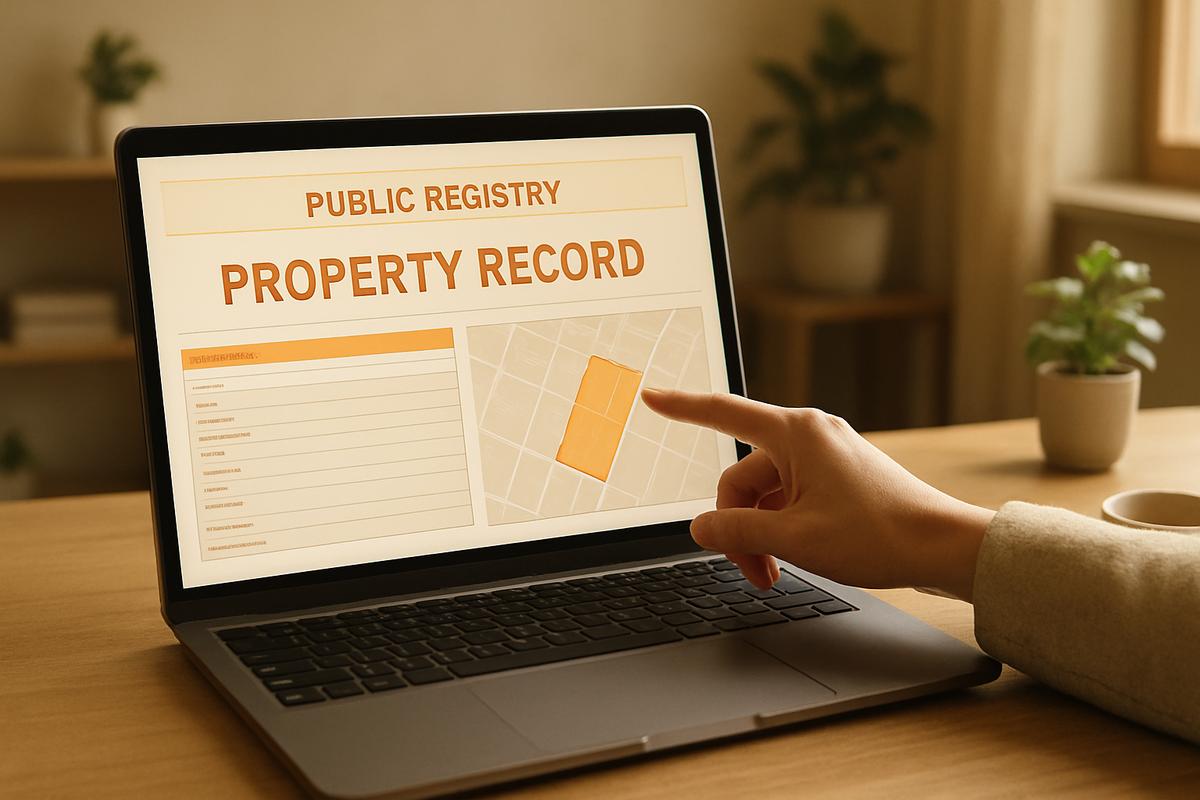
Public Registry of Georgia: What Data Is Available and How to Read It
Public Registry of Georgia: What Data Is Available and How to Read It
What is the public registry and why it matters 🏛️
The public registry in Georgia is the official database of property rights, encumbrances and registration history. For foreigners it is the primary tool for due diligence — helping to confirm ownership, discover mortgages or restrictions, and check legal history before making a purchase.
Typical data you can find 📋
- Owner details (individual or legal entity).
- Type of right (ownership, co-ownership, easement, lease-based rights).
- Encumbrances: mortgages, liens, court arrests and other restrictions.
- Property description: address, cadastral or registration number, area, designated use (residential or commercial).
- Registration history: previous transfers, date of registration, amendments.
- References to supporting documents and legal basis of entries.
How to search — a practical workflow 🔍
- Start with known facts: address or cadastral number. Searches without them can be inefficient.
- Request an official extract from the registry — it mirrors the online entries and is often required for transactions.
- Match the owner listed in the registry with the seller's documents.
- Pay close attention to the encumbrances section — this often determines the feasibility and timing of a deal.
How to read registry entries — key fields explained 🧭
- Owner: if a legal entity is listed, consider further checks to identify real beneficiaries.
- Type of right: make sure you understand whether full ownership or only a share is registered.
- Encumbrances: the wording may be technical — a “pledge” indicates the property secures a loan.
- History: a sequence of registrations can reveal corrections, disputes, or frequent changes in ownership.
Red flags to watch for ⚠️
- Active mortgages, court arrests or liens recorded on the property.
- Mismatch between registry data and seller documents.
- Multiple amendments or unclear notes about heirs and succession.
- Missing or vague boundary descriptions for land plots — especially important for land purchases.
Practical advice for foreigners — reduce risks ✅
- Certified translation. Obtain an official translation of the registry extract if you do not read Georgian.
- Legal review. Engage a local lawyer to analyze the extract and related documents as part of standard due diligence.
- Verify the seller. Cross-check ID and contact details of the seller with registry information.
- Inspect the property in person. Confirm boundaries and physical condition against registry descriptions.
- Ask for extended documents if needed — archive documents or certificates clarifying past transfers.
Typical scenarios and what to do 🛠️
- If the property has a recorded mortgage: insist on removal of the mortgage or secure a contractual mechanism that funds will be released only after it is cleared.
- If multiple owners are listed: obtain written consent from all co-owners or confirm that the seller has exclusive authority to sell.
- If registry records and reality differ: pause the transaction and request clarifying documents or legal remedies.
Common mistakes and how to avoid them 🚫
- Buying without an official extract — always request the document.
- Relying solely on verbal assurances — confirm everything in writing and in the registry.
- Skipping legal checks — professional review often uncovers hidden risks.
If you are considering buying property or investing in Georgia, BuyHome can help with a professional registry check and full legal due diligence. Contact us to arrange a secure property review and find suitable options: https://buyhome.ge/en/search or visit our main page https://buyhome.ge/en
We’re ready to help you choose and verify property — reach out for assistance.
Date added: 23.07.26
Related articles






Related categories

Taxes and fees (purchase and rental)
Guide to taxes and costs for buying and renting property in Georgia: registration and related fees, rental income tax, exemptions, payment deadlines, and practical calculation examples.

Real estate legislation in Georgia
Key rules of Georgian real estate law: ownership rights, public registry registration, purchase and rental transactions, key restrictions, and practical guidance for residents and foreigners.

Developer contracts
A practical guide to developer contracts in Georgia: instalment plans and payment schedules, completion timelines, warranties, penalties, and termination terms. What to review before signing and how to reduce buyer risks.

Transaction risks and security
Seller and property due diligence in Georgia: registries, documents, encumbrances, and key risks. What to verify before the deal to protect yourself and buy with confidence.
Benefits of buying property on BuyHome.ge

Best property prices
No commission for buyers
Up-to-Date Properties on the Website
Free property selection
Free transaction support
Free expert consultations

Submit a Request
for a Consultation!

2026 © All rights reserved