

BuyHome.ge
+995 595 33 78 33


Rental Seasonality: How Income Differs for Apartments vs Houses
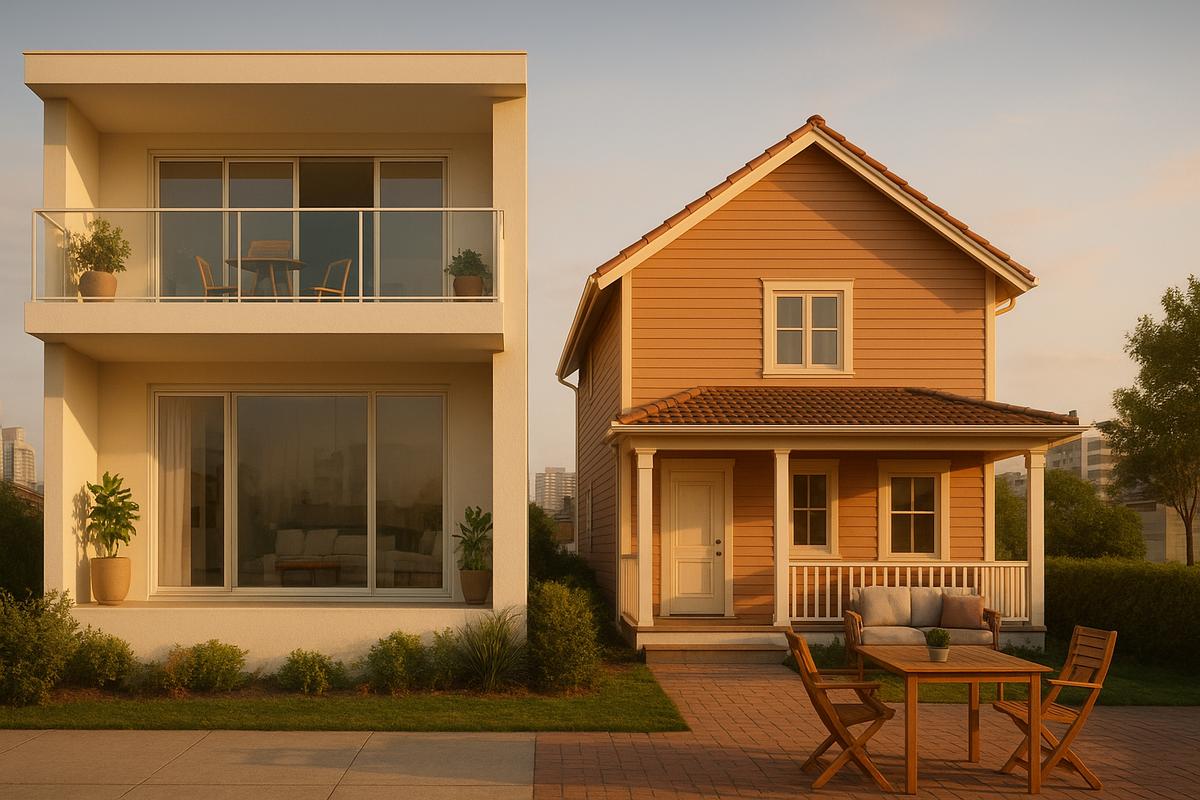
Rental Seasonality: How Income Differs for Apartments vs Houses
Seasonal rentals: what's really changing 🌊
Seasonality shapes rental returns in coastal and resort areas of Georgia. Changes in guest flows, property type, and amenities mean an apartment and a house will react differently to high season, shoulder months, and low season. Understanding these patterns helps owners make smarter decisions about pricing, marketing, and hosting format.
Apartment vs house — core differences 🏢 vs 🏡
- Location and convenience. Apartments are often closer to city services and transport, appealing to long-term tenants and short city-break guests. Houses are attractive for holidays thanks to privacy and outdoor space but can be farther from shops and transport.
- Rental format. Apartments typically provide steadier year-round income through longer contracts. Houses often command a premium during peak tourist periods when guests value extra space and outdoor areas.
- Running costs. Houses usually have higher maintenance and utilities, but these can be offset by higher nightly rates in season thanks to extra features like gardens, terraces, and parking.
How seasonality changes income — practical view 📊
- Peak season. Houses with private outdoor spaces and attractive views can often achieve higher nightly rates than comparable apartments. Guests seeking relaxation and privacy drive this demand.
- Shoulder season. Apartments tend to perform better thanks to longer-stay guests such as professionals and families. Houses may experience lower occupancy unless owners adjust pricing and offerings.
- Low season. Apartments generally show more stability, as they remain appealing for residents looking for longer-term rentals.
Hands-on strategies to smooth income across seasons 🛠️
- Adopt a hybrid approach. Switch between short-term bookings in the high season and longer-term contracts off-season to maintain cash flow.
- Optimize listings. For houses, highlight outdoor amenities and privacy. For apartments, emphasize proximity to transport and local services.
- Add paid services. Offer cleaning, transfers, or equipment rentals to increase earnings per booking and attract more guests in shoulder months.
- Use dynamic pricing. Align rates with local demand spikes during festivals, holidays, or peak travel weeks and reduce them in quieter periods to maintain occupancy.
Managing costs and expectations 📌
- Prepare for higher upkeep of houses: garden work, exterior maintenance, seasonal inspections. Budget for these recurring tasks to avoid surprises.
- For apartments, focus on interior upkeep and timely small repairs to retain long-term tenants and ensure repeat bookings.
Which property suits which investor? 🧭
- If you want steady, predictable returns throughout the year, apartments in established neighborhoods are generally a safer choice.
- If you aim for higher seasonal returns and are willing to actively manage bookings and maintenance, a house with unique features can be very profitable in peak months.
- If you plan to combine personal use with rental income, houses give more privacy but require flexible management strategies.
Quick checklist for owners — immediate actions ✅
- Analyze local demand: are travelers seasonal or year-round workers?
- Consider a mixed rental strategy to adapt to changing demand.
- Update photos and descriptions to highlight the strongest selling points of your property.
- Implement a simple booking and house rules system to streamline guest turnover.
Final thoughts — plan, test, adapt 🔄
Seasonality is manageable with the right approach. Apartments offer steadiness outside the high months; houses can maximize short-term revenue in peak times. The best approach depends on your goals: predictable income or seasonal profit spikes.
If you'd like help evaluating a specific property and building a seasonal rental strategy, our team can run scenarios and suggest improvements. Contact us for a tailored consultation: https://buyhome.ge/en/search
We’re happy to help you choose and prepare a property that fits your goals — reach out and we’ll assist with the next steps.
Date added: 06.08.26
Related articles





Related categories

White vs black frame
White vs black frame in Georgia: what’s included, which renovation stages you’ll face, real-world cost differences, and which option is better for your budget and timeline.

Batumi vs Tbilisi
Batumi vs Tbilisi for property buyers: prices, neighborhoods, infrastructure, rental demand, and growth outlook. A clear guide to choose the right city for your goals—sea lifestyle or capital-city investing.

New vs resale
Primary vs resale property in Georgia: prices, condition, move-in timelines, deal risks, and real returns. A clear guide to choose the best option for living, renting, or investing.

Complex vs house
A practical comparison of residential complexes vs private houses in Georgia—costs, risks, rental income, and resale liquidity to choose the right format.
Benefits of buying property on BuyHome.ge

Best property prices
No commission for buyers
Up-to-Date Properties on the Website
Free property selection
Free transaction support
Free expert consultations

Submit a Request
for a Consultation!

2026 © All rights reserved