

BuyHome.ge
+995 595 33 78 33


Taxes for Foreigners: What to Know Before Buying—Guide
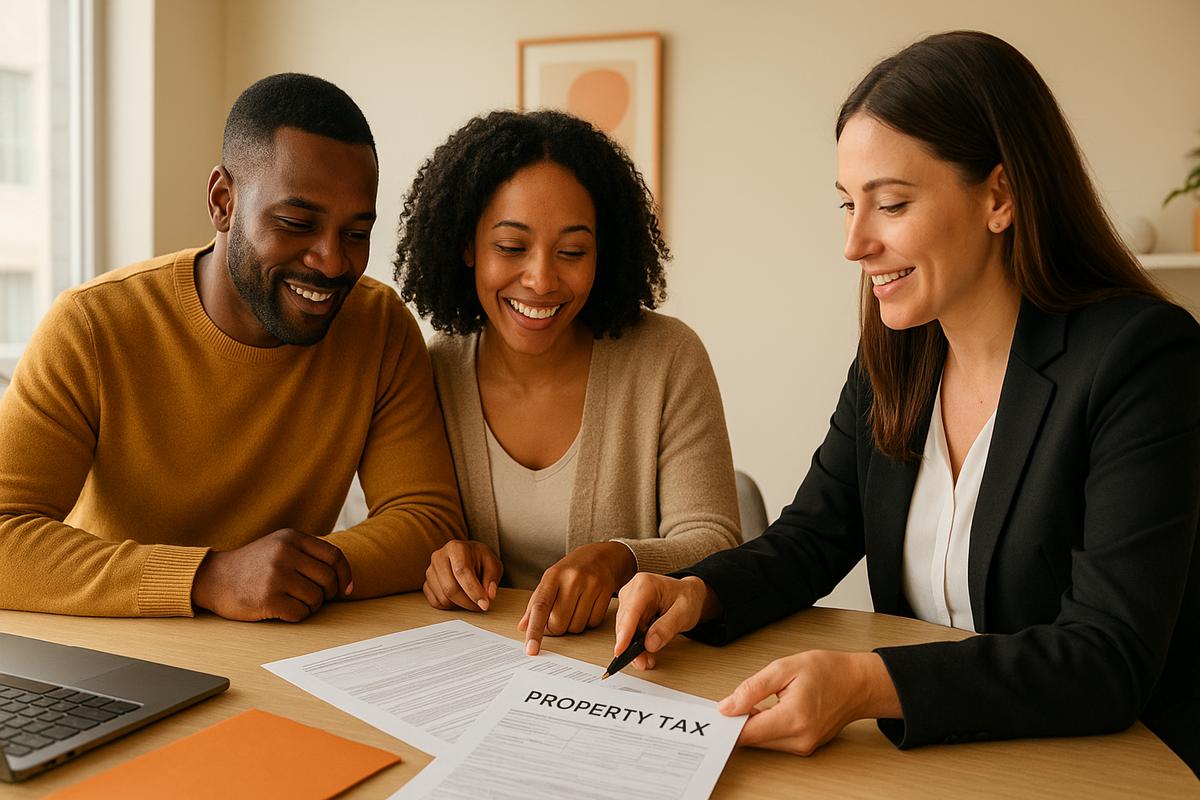
Taxes for Foreigners: What to Know Before Buying—Guide
Taxes for Foreign Buyers: What to Know Before You Buy — Guide 🏠
Buying property abroad raises tax questions. Georgia's tax system is often straightforward, but as a foreign buyer it's important to understand potential taxes and how they affect your budget and long‑term plans.
1. Overview: common taxes and charges
- Transfer and registration fees — payments when the property is registered in the public registry.
- Property tax — some municipalities may levy annual charges on real estate owners.
- Income tax on rental earnings — if you plan to rent out the property.
- Capital gains tax — may apply when you sell with profit; rules and exemptions vary.
- VAT — can be relevant for new builds sold by developers depending on their tax status.
2. Steps to take before buying ✅
- Verify the property's legal status: ownership, encumbrances, permits and zoning.
- Ask about the seller's status (individual vs company) — this affects VAT and other taxes.
- Check municipal rules where the property is located for any local charges.
- Consult a local tax advisor or lawyer, especially if you intend to rent or buy through a company.
- Decide whether to buy as an individual or via a corporate entity — each has different reporting and tax implications.
- Budget for recurring costs: property tax, utilities, management fees.
3. Different buyer goals — different tax concerns
- For personal residence: focus on local taxes and how changing tax residency could affect you. Ask how long you can stay before residency rules change your obligations.
- For rental income: plan to declare income and keep careful records; understand allowable deductions and bookkeeping requirements.
- For investment/resale: investigate rules for taxing gains and any exemptions for long‑term ownership.
4. Structure matters: individual vs company 🧾
Buying through a company can benefit investors — it may simplify transfers and management and create opportunities for tax planning. Buying as an individual is usually simpler for personal use. Discuss:
- administrative costs of forming and running a company;
- reporting obligations in Georgia;
- implications for transfers and succession.
5. Practical risk‑reduction tips
- Request all supporting documents: cadastral plans, title deeds, and certificates showing no debts or encumbrances.
- Use a clear pre‑contract that defines who pays taxes and fees.
- Include a contingency buffer for unexpected registration or administrative costs.
- If renting, set up accounting from day one or hire a property manager to handle declarations.
6. Scenarios and examples (without exact figures) ✍️
- A foreign buyer purchasing a flat for personal use who does not change tax residency will typically face a simpler tax picture, but document checks remain essential.
- An investor buying multiple units for rent should expect regular reporting and possibly different tax treatment depending on scale.
7. Checklist before signing
- Who covers registration, notary and administrative fees?
- Is VAT applicable and who is responsible for it?
- What is the process for declaring rental income and which expenses are deductible?
- Are there any local municipal charges?
Final notes
Taxes related to property in Georgia are manageable with the right preparation. The key is to plan the deal structure, get local advice and verify all documents.
If you'd like help assessing tax impacts or choosing the optimal way to buy, contact BuyHome — we assist clients through the whole purchase and registration process.
Start your property search here: https://buyhome.ge/en/search
Date added: 21.07.26
Related articles






Related categories

Taxes and fees (purchase and rental)
Guide to taxes and costs for buying and renting property in Georgia: registration and related fees, rental income tax, exemptions, payment deadlines, and practical calculation examples.

Real estate legislation in Georgia
Key rules of Georgian real estate law: ownership rights, public registry registration, purchase and rental transactions, key restrictions, and practical guidance for residents and foreigners.

Developer contracts
A practical guide to developer contracts in Georgia: instalment plans and payment schedules, completion timelines, warranties, penalties, and termination terms. What to review before signing and how to reduce buyer risks.

Transaction risks and security
Seller and property due diligence in Georgia: registries, documents, encumbrances, and key risks. What to verify before the deal to protect yourself and buy with confidence.
Benefits of buying property on BuyHome.ge

Best property prices
No commission for buyers
Up-to-Date Properties on the Website
Free property selection
Free transaction support
Free expert consultations

Submit a Request
for a Consultation!

2026 © All rights reserved