

BuyHome.ge
+995 595 33 78 33


Utilities and Heating: How Costs Differ in a Complex vs a House
Utilities and Heating: How Costs Differ in a Complex vs a House
Utilities and heating: a quick overview 🏢🏡
When deciding between an apartment in a residential complex and a private house, utility and heating costs can be a decisive factor. The schemes of heating, who pays for maintenance, and the building's efficiency all shape monthly bills.
Main differences
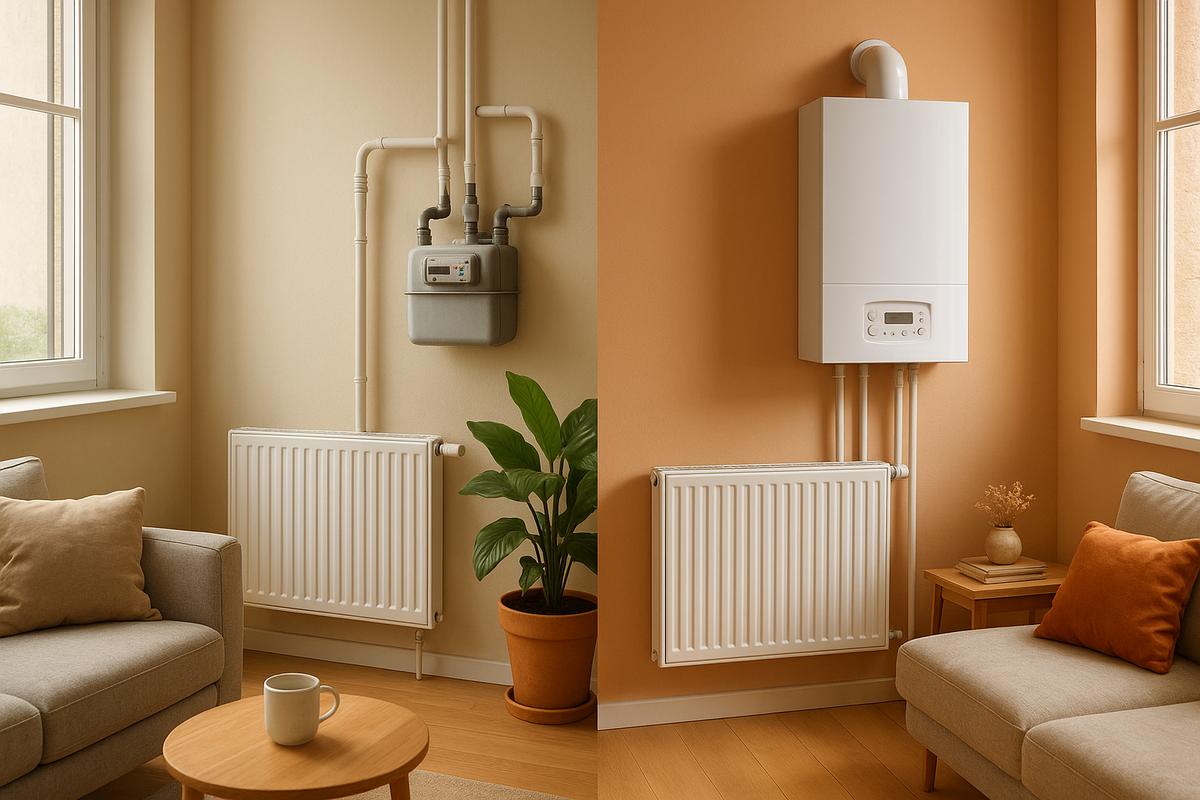
- Centralized heating vs individual boilers. Many residential complexes rely on centralized systems, while houses often have their own gas or electric boilers.
- Service fees and shared costs. Apartments commonly have a maintenance fee covering lift service, common area upkeep, security, and waste removal.
- Size and heat losses. Larger houses with more external walls generally require more energy to heat than compact apartments.
- Responsibility for repairs. Homeowners take care of roof, facade and on-site networks, whereas in a complex these are handled by management.
What to check when evaluating a property 🔎
- Ask the seller or management company for recent utility bills and look at seasonal patterns.
- Find out if there are individual meters or shared accounting. Individual meters allow precise control and can reduce disputes.
- Inspect insulation, window condition and thermal bridges — these directly affect heating demand.
- Learn about the boiler room and maintenance schedule if the building has centralized heating.
Practical ways to lower costs 💡
- Thermostat settings: lowering the temperature by a degree can reduce consumption. Use lower setpoints for bedrooms.
- Thermostatic valves and radiator balancing distribute heat more efficiently.
- Seal drafts and add door/window insulation to reduce heat loss.
- Regular boiler maintenance improves efficiency and prevents breakdowns.
For investors: what matters 📈
- Clarify whether heating is billed separately or included in common fees.
- Check for outstanding debts at building level — they could mean future special assessments.
- Properties with modern meters and low utilities are typically more attractive for renters and can support higher yields.
Typical scenarios (no exact figures) ⚖️
- An apartment in a well-managed complex with good insulation can show moderate bills if the building management is efficient.
- A house with poor insulation and a large volume of space tends to use more energy, but having a private gas boiler can offer ways to optimize costs.
Pre-purchase checklist ✅
- Review bills across seasons.
- Request a condition report on heating and plumbing systems and any recent service records.
- Understand what the monthly service fee covers in a complex.
- Consider the feasibility of adding individual meters or upgrading insulation.
Everyday tips for residents
- Adopt energy-saving habits: use curtains effectively, zone heating, and ventilate briefly but effectively to avoid heat loss.
- In residential complexes, participate in management decisions. Active residents help control wasteful spending and improve efficiency.
If you need help assessing real utility costs for a specific apartment or house, BuyHome can collect documents, check bills, and estimate budget impact. Contact us and we will find properties that match your utility expectations. 🔑
You can browse available apartments and houses here: https://buyhome.ge/en/search
Date added: 06.08.26
Related articles






Related categories

White vs black frame
White vs black frame in Georgia: what’s included, which renovation stages you’ll face, real-world cost differences, and which option is better for your budget and timeline.

Batumi vs Tbilisi
Batumi vs Tbilisi for property buyers: prices, neighborhoods, infrastructure, rental demand, and growth outlook. A clear guide to choose the right city for your goals—sea lifestyle or capital-city investing.

New vs resale
Primary vs resale property in Georgia: prices, condition, move-in timelines, deal risks, and real returns. A clear guide to choose the best option for living, renting, or investing.

Complex vs house
A practical comparison of residential complexes vs private houses in Georgia—costs, risks, rental income, and resale liquidity to choose the right format.
Benefits of buying property on BuyHome.ge

Best property prices
No commission for buyers
Up-to-Date Properties on the Website
Free property selection
Free transaction support
Free expert consultations

Submit a Request
for a Consultation!

2026 © All rights reserved