

BuyHome.ge
+995 595 33 78 33


Utilities and Service Fees in Old Town Buildings: Monthly Costs
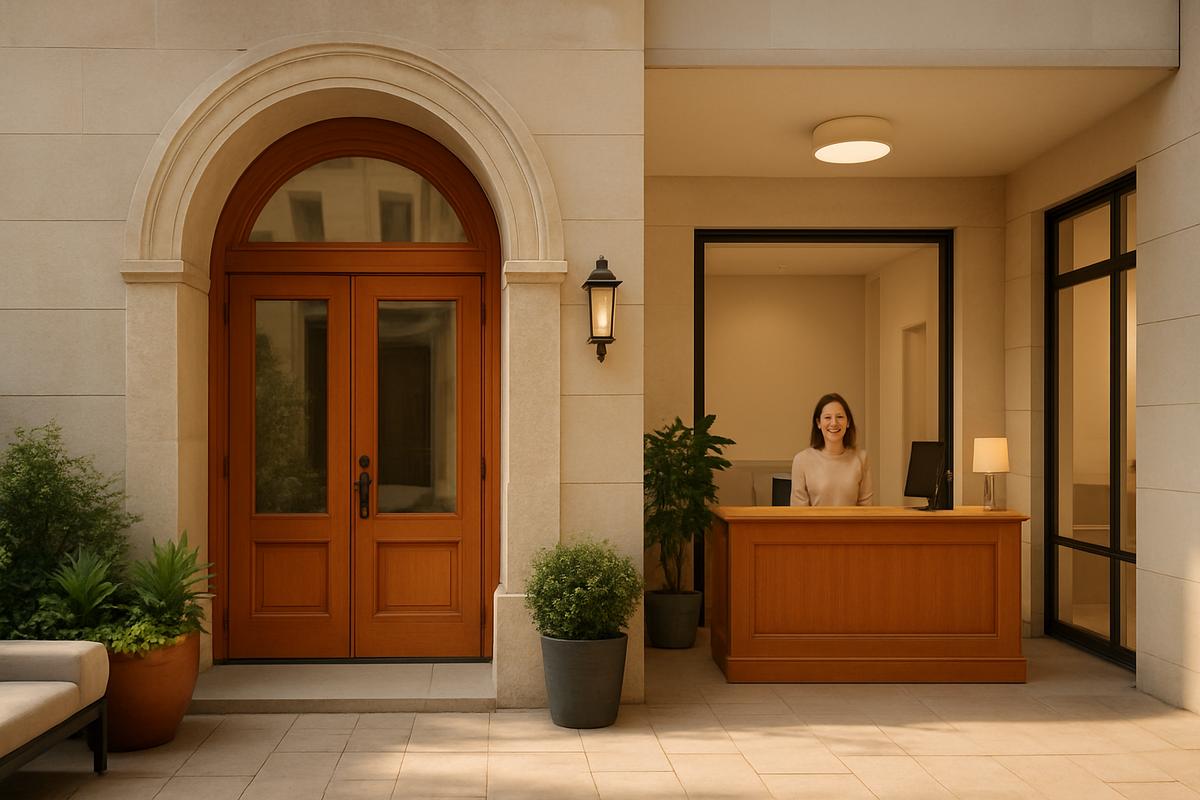
Utilities and Service Fees in Old Town Buildings: Monthly Costs
Utilities and service fees in Old Town homes: what to expect 🏛️
When buying a property in Batumi's Old Town, the purchase price is only part of the story. Recurring expenses — utilities and service fees — affect your monthly budget. This guide explains the typical components of these payments, why amounts vary, and how to assess and manage the costs.
Main components of monthly payments 🔎
- Common-area utilities: lighting, shared electricity, water and sewage in public areas.
- In-apartment consumption: electricity, hot and cold water, sometimes gas — paid by the resident according to meters.
- Service fee or management charge: cleaning of entrances, security, elevator maintenance, landscaping, waste removal.
- Maintenance/reserve fund: contributions for repairs of roofs, facades, and shared systems.
- Occasional charges: repairs or upgrades decided by the homeowners or management company.
Why payments differ between buildings 🧱
- Age and condition of the building: older or historic buildings often require more upkeep.
- Type of heating and metering: centralized systems without accurate meters can lead to different allocation methods.
- Level of service: buildings with concierge, security or premium landscaping will have higher service fees.
- Occupancy and short-term rentals: buildings with many short-term tenants may have different cost dynamics.
How to evaluate expected monthly costs — practical steps 🛠️
- Ask the seller or agent for detailed copies of the last several monthly statements to see exact service lines.
- Compare similar buildings in the area based on service level rather than just advertised price per square metre.
- Ask whether there is a reserve fund and how short-term or emergency repairs are financed.
Typical expense categories (no exact numbers) 📑
- Regular cleaning and waste removal.
- Periodic technical services such as elevator maintenance and electrical checks.
- Lighting and facade maintenance depending on condition.
- Irregular repair costs that can spike during renovation months.
Ways to reduce your monthly payments 💡
- Ensure proper metering: individual meters allow residents to pay only for consumption.
- Choose transparent management: demand regular financial reports from the management company or association.
- Coordinate with neighbours to control costs and select cost-effective contractors.
- Improve energy efficiency inside your unit: better insulation and efficient appliances reduce personal bills.
What to check before buying in Old Town 📝
- Status of contracts with the management company and minutes of owners' meetings.
- Recent bills and service invoices for the building.
- Who is responsible for which repairs: the homeowners association or an external contractor.
- Allocation rules: whether costs are split by size, number of occupants, or by meter readings.
Common buyer mistakes and how to avoid them ⚠️
- Trusting only the advertised price without requesting actual bills.
- Ignoring seasonal variations: some buildings have higher fees during busy tourist seasons.
- Skipping a check on meter accuracy and condition.
Final checklist and next steps ✅
- Request detailed invoices and clarify what each fee covers.
- Compare offers by service level and transparency, not only by headline price.
- Make sure there is a plan for reserve funds and emergency repairs.
If you are planning to buy in Old Town and want help estimating monthly costs, our team at BuyHome can request documents, verify bills, and compare properties by total running costs. Contact us — we'll help you choose the right home and plan your budget. 🏡
Date added: 16.06.26
Related articles




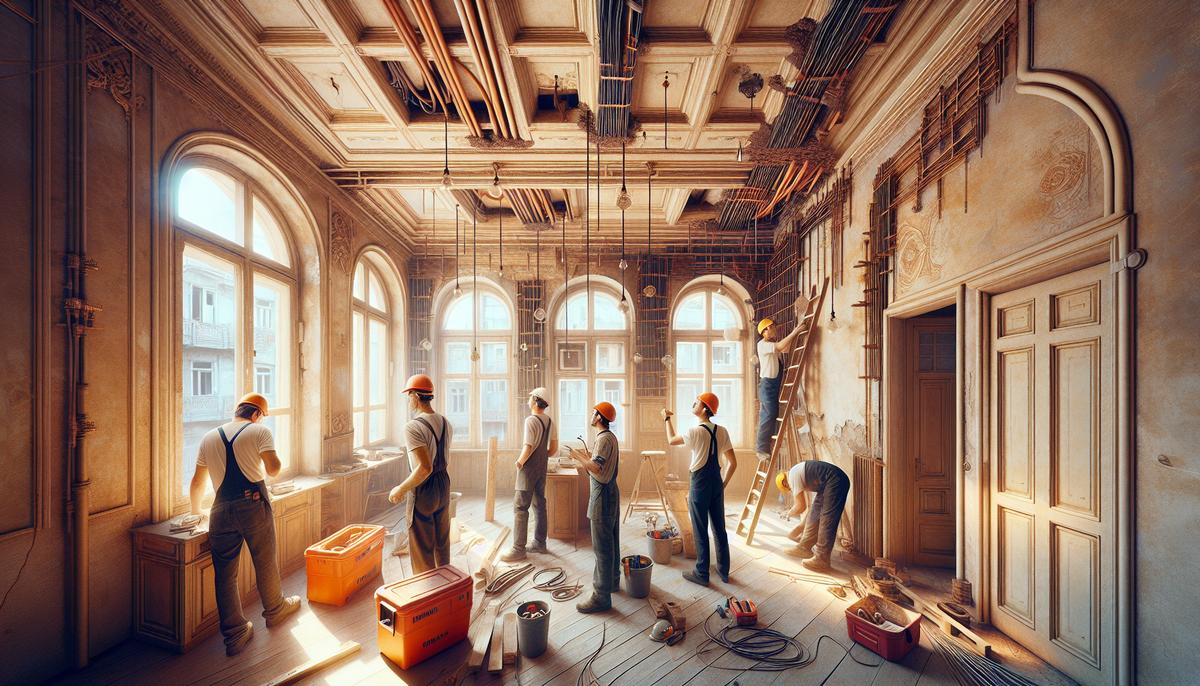

Related categories

New Boulevard
New Boulevard in Batumi is one of the fastest-growing seaside areas: infrastructure, new developments, property prices, and investment prospects.

Old Town
Old Town Batumi is the historic city center with unique architecture and atmosphere: housing features, prices, rentals, and investment opportunities.

City Center
Batumi City Center is the most in-demand area of the city, offering strong infrastructure, business and tourist activity, stable rental demand, and high property liquidity.

Airport area
Batumi Airport area is a fast-developing district with new residential projects, improving infrastructure, and strong potential for property price growth.
Benefits of buying property on BuyHome.ge

Best property prices
No commission for buyers
Up-to-Date Properties on the Website
Free property selection
Free transaction support
Free expert consultations

Submit a Request
for a Consultation!

2026 © All rights reserved