

BuyHome.ge
+995 595 33 78 33


Utility Debts: How to Check Before Buying—Checklist
Utility Debts: How to Check Before Buying—Checklist
Why check utility debts before buying? 🏠
Unpaid utility bills can become an unexpected cost or a legal headache for the new owner. Even if a seller says “everything is paid,” it's safer to obtain confirmations from official sources and include protections in the purchase contract.
Who should care
- Homebuyers and people buying apartments
- Investors purchasing rental properties
- Buyers using power of attorney or intermediaries
Common types of utility debts ⚠️
- Arrears for water, electricity, gas
- Unpaid maintenance fees for homeowners associations or building management
- Legal restrictions or enforcement actions tied to unpaid communal charges
Documents and proofs to request from the seller ✅
- Copies of recent utility receipts or payment confirmations.
- Official statements from each utility provider confirming current balance.
- Service contracts and meter handover acts.
- Minutes or invoices from the building manager or HOA for shared expenses.
- Registry extract to check for legal encumbrances on the property.
Step‑by‑step checklist before signing 🧾
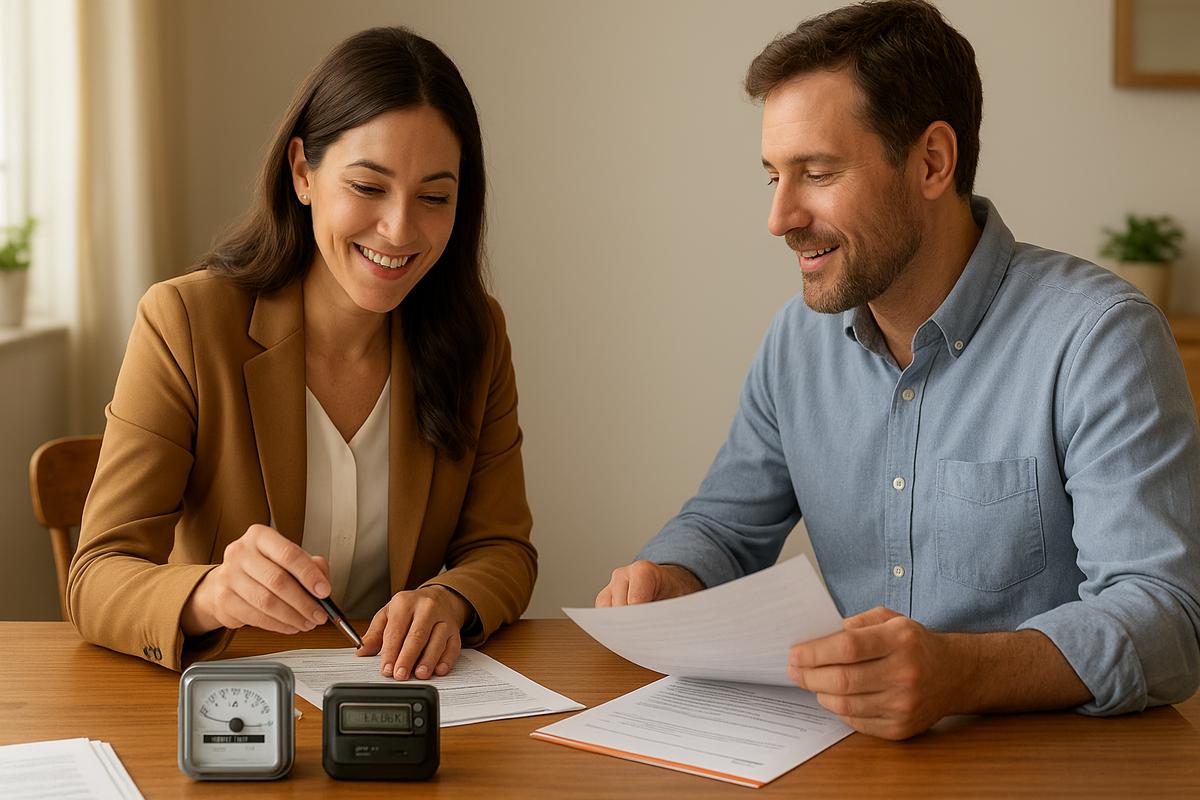
- Match meter numbers in the flat with those in the documents.
- Request up‑to‑date debt certificates from providers for the property address.
- Check the public registry for any enforcement proceedings or liens.
- Compare payments across recent months; investigate gaps or missed payments.
- Include a clause in the sale agreement covering responsibility for utility debts.
- Agree on how any discovered debts will be settled: before closing, by price adjustment, or held in escrow.
How and where to verify (practical tips) 🔎
- Contact local utility offices (water, electricity, gas) and request account statements by address.
- Get an extract from the property registry to reveal legal limits or arrests related to unpaid bills.
- Ask the building manager or management company for a report on common area expenses.
- Consult a lawyer or a real estate agent if documents look incomplete or suspicious.
If you find unpaid utilities ❗
- The safest approach: seller pays debts before the deal closes.
- Alternative: hold an agreed sum back from the purchase price or place it in escrow until debts are cleared.
- Document all agreements in writing and sign them as amendments to the purchase contract.
Common traps and how to avoid them 🪤
- Screenshots or old receipts are not enough — request official provider statements.
- Meter numbers mismatch — always check meters on site.
- “We’ll sort it out after the sale” — avoid this without a binding written mechanism.
Sample clause suggestions for your contract
- “Seller shall fully settle all utility debts accrued prior to the date of transfer, or provide official confirmations of full repayment.”
- “An agreed portion of the purchase price shall be retained in escrow until utility debt certificates are provided.”
Practical tips for buyers and investors 💡
- Start checks early in negotiations so there’s time to resolve issues before signing.
- Never rely solely on verbal assurances — insist on paperwork.
- For off‑plan purchases, confirm responsibility for utility hookups and contracts.
If you need help checking documents or drafting contract clauses, contact BuyHome. We’ll assist at every step to protect your interests and ensure a smooth purchase. https://buyhome.ge/en/search https://buyhome.ge/en/apartments
Date added: 05.07.26
Related articles






Related categories

How to choose a complex
How to choose a residential complex in Georgia — key criteria affecting comfort, liquidity, and investment returns, with common mistakes explained.

How to complete a deal
How to complete a real estate purchase in Georgia — step-by-step breakdown of the process, documents, timelines, and common buyer mistakes.

Bank account opening
How to open a bank account in Georgia — requirements for foreigners, required documents, timelines, and key banking specifics.

Utilities guide
Utility bills in Georgia — overview of electricity, water, gas, internet, and building maintenance costs, with payment methods and expense calculations.
Benefits of buying property on BuyHome.ge

Best property prices
No commission for buyers
Up-to-Date Properties on the Website
Free property selection
Free transaction support
Free expert consultations

Submit a Request
for a Consultation!

2026 © All rights reserved