

BuyHome.ge
+995 595 33 78 33


Wear-Resistant Seaside Materials: Floors, Walls, Textiles—What to Choose
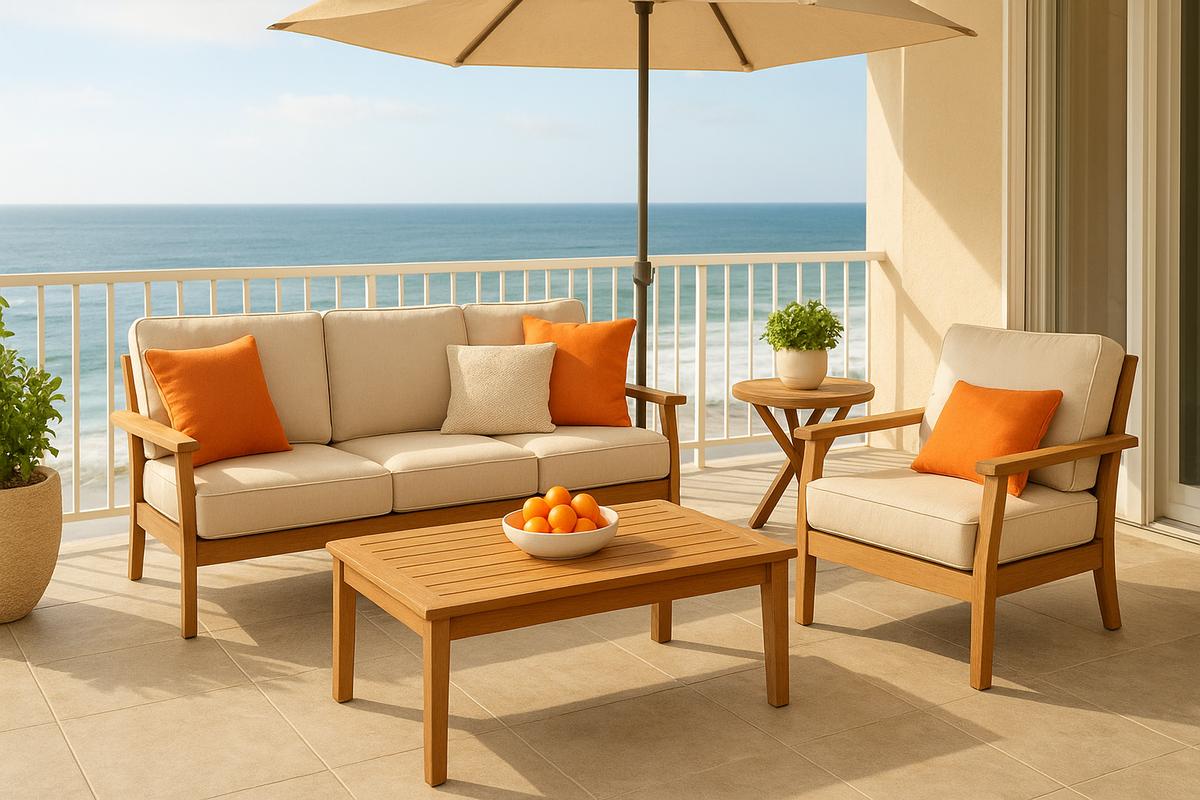
Wear-Resistant Seaside Materials: Floors, Walls, Textiles—What to Choose
Durable materials by the sea: the challenge 🌊
Living near the sea means light and fresh air — and constant exposure to humidity, salt, sand and strong sun. Choosing the right materials reduces maintenance, keeps interiors attractive and protects investment. Below are clear, practical recommendations for floors, walls and textiles.
Floors: resilient and easy to clean ✅
-
Porcelain and ceramic tiles: ideal for wet areas and balconies. They tolerate moisture, resist salt corrosion and are easy to wash. Opt for textured tiles for safety outdoors.
-
Vinyl plank and waterproof LVT: comfortable underfoot, resistant to humidity and suitable for living areas where warmth matters.
-
Engineered wood and treated timber: possible in coastal homes if you choose moisture-stable species and apply proper protective finishes. Ensure good ventilation and avoid direct water exposure.
-
Natural stone and composite decking: great for terraces. Stone is durable but may need stain protection; composite boards resist rot and UV well.
Practical tip
For rental properties choose tiles or vinyl — they are simple to maintain and inexpensive to repair or replace in high-season wear.
Walls: finishes that handle moisture and salt 🧱
-
Waterproof renders and breathable external plasters protect facades from salt deposits while allowing moisture to escape.
-
Washable latex paints indoors make cleaning salt and sand easier.
-
Tile or mosaic accents in bathrooms and kitchens are hygienic and long-lasting.
-
Cement-based decorative plasters with sealant work well on open balconies and corridors.
Maintenance note
Ventilation and extractor fans in wet zones reduce mold risk. Rinse external walls occasionally with fresh water to remove salt.
Textiles: fast-drying, UV-resistant fabrics 🧵
-
Outdoor fabrics and acrylic blends for terraces resist fading and dry quickly.
-
Microfiber and synthetic blends for indoor upholstery tolerate stains and dry faster than natural fibers.
-
Natural linen and cotton are comfortable but need careful maintenance and should be used where humidity is controlled.
-
Removable covers and zip-off cushions are essential for easy washing and replacement.
Specific advice
Avoid heavy velvets or high-pile rugs in sandy zones. Choose washable rugs with rubber backing for entrances and terraces.
Planning for buyers and investors 🏡
-
Zoning: wet areas — tile or stone; living rooms — waterproof vinyl or engineered wood.
-
Thresholds and drainage: proper thresholds and balcony drainage prevent water ingress.
-
Storage solutions: beach gear lockers and ventilated shoe storage help keep interiors clean.
-
Regular checks: for rental units, plan seasonal inspections and quick fixes to keep wear under control.
Care habits that extend life✨
-
Rinse off sand and salt after beach days.
-
Weekly soft cleaning and seasonal protective treatments for wood and stone.
-
Store textiles dry off-season.
Conclusion — how to choose? 🎯
Balance durability and comfort: choose water-resistant floors for entry and wet zones, warmer underfoot materials with moisture protection for living areas, and replaceable, UV-resistant textiles outdoors. For investment properties prioritize low maintenance and easy repairs.
Need help selecting a seaside property with the right finishes? Contact BuyHome for tailored advice and property selection. Browse apartments at https://buyhome.ge/en/apartments or start a search at https://buyhome.ge/en/search.
Date added: 17.08.26
Related articles



Related categories

Renovation costs
A practical guide to apartment renovation costs in Georgia—labor and materials, timelines, common pitfalls, and how to control your budget.

Choosing a contractor
How to choose a renovation contractor in Georgia: where to look, what to verify, and how to control quality so you don’t lose time or budget.

Interior
Interior trends in Georgia, layouts, and practical apartment solutions: how to choose a style, plan zones, and create a design that works for living or renting.
Benefits of buying property on BuyHome.ge

Best property prices
No commission for buyers
Up-to-Date Properties on the Website
Free property selection
Free transaction support
Free expert consultations

Submit a Request
for a Consultation!

2026 © All rights reserved