

BuyHome.ge
+995 595 33 78 33


What Affects Liquidity: District, Building, View, Layout
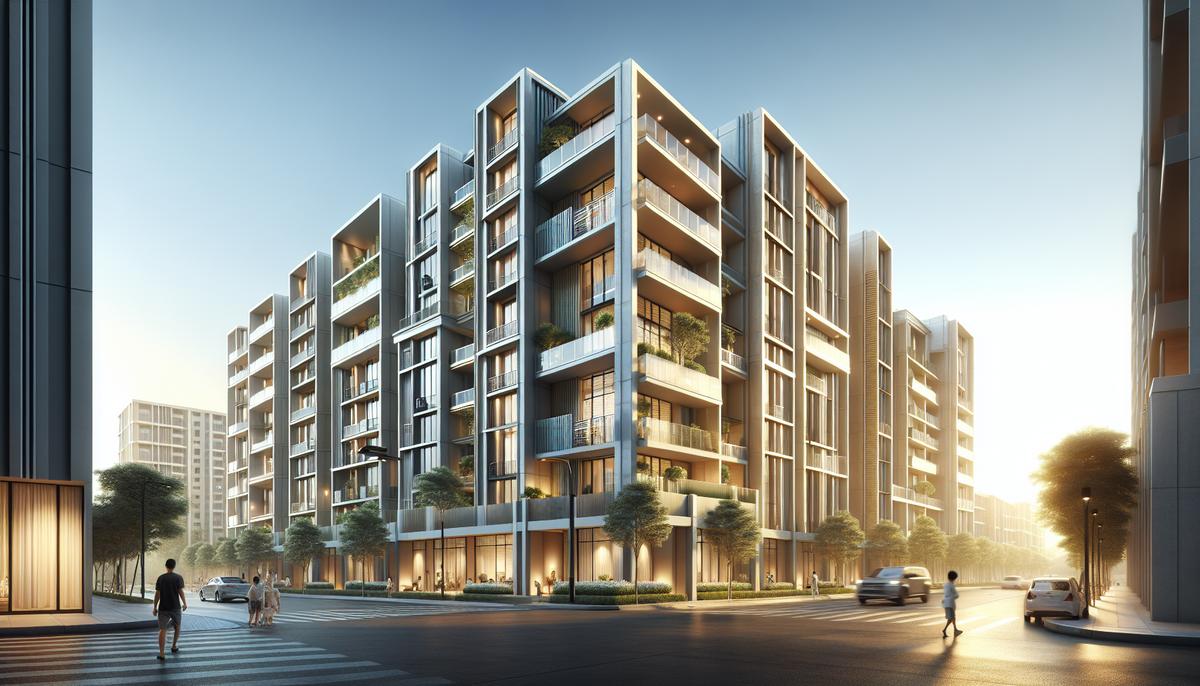
What Affects Liquidity: District, Building, View, Layout
What is property liquidity and why it matters 🏷️
Property liquidity means how quickly and easily a real estate asset can be sold or rented without significant loss in value. For buyers and investors, higher liquidity means fewer risks, easier exit options and more predictable returns.
Main factors that shape liquidity
1. Neighborhood and infrastructure 📍
- Location remains the primary driver of demand. Proximity to transport, schools, medical facilities and shopping increases attractiveness.
- Consider future plans for the area: new transport links, public improvements, or business development can raise long-term demand.
- Tip: prefer areas with stable demand rather than short-term hype.
2. Building quality and services 🏢
- Newer or well-maintained buildings with amenities such as parking, secure entry, and managed common areas often sell and rent faster.
- Older buildings may be less liquid if they need major repairs, unless renovated thoughtfully.
- Verify the legal status, condition of utilities and history of maintenance.
3. View and apartment orientation 🌅
- Sea views, parks and waterfronts are strong selling points in places like Batumi and other resort cities.
- However, a view doesn’t compensate for noise or nearby industrial zones — assess the whole environment.
- Orientation affects daylight and comfort, which matters for long-term tenants and families.
4. Layout and functionality 🛋️
- Clear, practical layouts with efficient use of space are widely preferred. Long corridors and awkward room shapes can reduce appeal.
- Features that increase marketability: separate kitchen, sufficient bathrooms, balcony, and flexible rooms for a home office or kids.
- Open-plan living is popular but consider the balance between openness and privacy.
How to assess liquidity before buying — practical checklist ✅
- Visit the neighborhood at different times to feel safety and noise levels.
- Check nearby amenities and transport links.
- Inspect the building’s entrance, common areas and utility systems.
- Compare the apartment’s layout and finishes to similar listings.
- Define the likely buyer or tenant profile for this property.
Ways to increase liquidity after purchase 🔧
- Small targeted renovations and neutral, modern finishes often pay off. No need for full-scale luxury upgrades — fix visible defects and refresh surfaces.
- Improve the entry experience: lighting, a clean lobby, secure locks and clear signage make a big difference.
- Furnish minimally when targeting rental markets — practical, durable pieces that appeal to many tenants.
Strategy examples by objective 🎯
- For rental income: choose functional layouts near transport and business districts to ensure steady tenant demand.
- For resale: favor apartments with good views or in neighborhoods with active infrastructure growth.
- For family living: prioritize safety, schools, and green spaces.
Common mistakes to avoid ⚠️
- Prioritizing personal taste over broad market appeal (extreme interior choices, unauthorized structural changes).
- Overlooking legal or documentation issues.
- Pricing unrealistically without market comparables.
Final thoughts
Liquidity is a sum of location, building quality, view, layout and how well the property matches buyer or tenant needs. Small, well-considered improvements and realistic pricing can significantly speed up sale or rental.
If you’d like a professional assessment of a property in Georgia or help selecting a high-liquidity asset, reach out to BuyHome. We’ll assist in choosing and preparing the right property: https://buyhome.ge/en/search
Contact us — we’ll help you find or prepare a property with strong market appeal.
Date added: 15.02.26
Related articles




Related categories

ROI & profitability
A practical guide to real estate ROI in Georgia: how to calculate returns, compare rental strategies, and assess risks, costs, and payback.

Daily rent
Short-term rentals in Batumi and Tbilisi: pricing, seasonality, occupancy, costs, and strategies to earn more and avoid common mistakes.

Long-term rent
Long-term rentals in Georgia: demand by city, real rental rates, costs, risks, and management strategies for stable income.

Market analytics
Georgia real estate market analytics: price dynamics, supply and demand, trends in Batumi and Tbilisi, forecasts, and practical investor takeaways.
Benefits of buying property on BuyHome.ge

Best property prices
No commission for buyers
Up-to-Date Properties on the Website
Free property selection
Free transaction support
Free expert consultations

Submit a Request
for a Consultation!

2026 © All rights reserved