

BuyHome.ge
+995 595 33 78 33


White Frame and Black Frame in Georgia: What’s Included and How to Check on Viewing

White Frame and Black Frame in Georgia: What’s Included and How to Check on Viewing
What do “white frame” and “black frame” mean? ✅
These terms are commonly used in the Georgian market but can vary by developer. Typically:
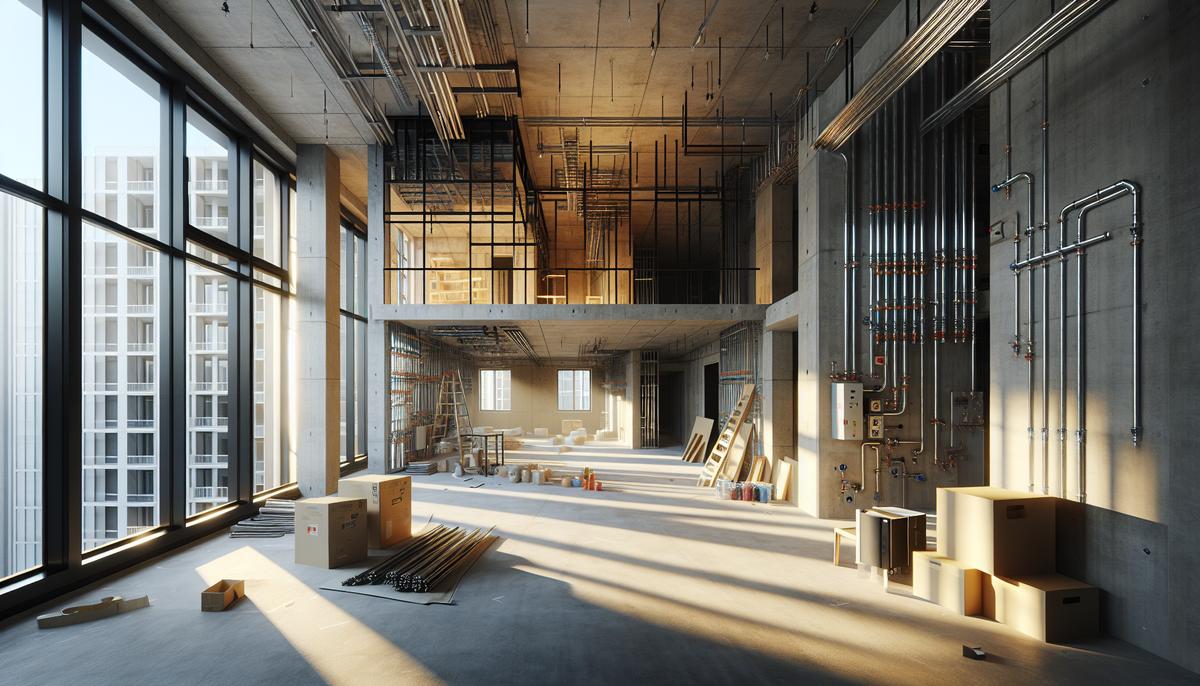
- Black frame (or shell) refers to the building structure and basic enclosure — load‑bearing walls, some partitions, and often windows and the front door. Interior finishes and full engineering may be absent.
- White frame (or white box) usually indicates a more finished stage: leveled walls, floor screed, basic electrical and plumbing routes, sometimes installed heating points and sockets — making the apartment ready for final finishes.
Always check the contract and technical specifications — the exact scope depends on the project.
Why this matters for buyers and investors 🧭
- Cost: the stage of completion affects how much you will spend after closing.
- Time to move in or lease: more work means longer timelines.
- Legal clarity: the handover act should precisely state the apartment condition.
Inspection checklist — what to look for 🔎
Bring: camera, flashlight, measuring tape, copy of the technical description or contract, and a notebook.
- General condition
- Photograph every room and the view from windows.
- Check for visible cracks, damp spots, or uneven surfaces.
- Windows and doors
- Verify windows open/close smoothly and check for drafts.
- Confirm the presence and condition of the entrance door.
- Floors and screed
- Is there a floor screed? How even is it? Look for gaps or hollow sounds.
- Check for waterproofing in wet areas if it was promised.
- Electrical and plumbing
- Is wiring roughed‑in or fully installed? Are junction boxes present?
- Locate plumbing risers and connection points for fixtures.
- Heating and ventilation
- Check for heating risers and radiators if they were included.
- Note ventilation openings and any mechanical systems.
- Utilities and engineering
- Observe visible pipes for damage and the entry points for utilities.
- Documents
- Compare actual condition with the technical description and contract.
- Request any handover acts, defect lists, or test reports.
Questions to ask the developer or seller ✍️
- What exactly does “white frame” / “black frame” include in our contract?
- Is there a detailed handover act with a defect list and deadlines for repairs?
- Who handles final utility connections and which steps are already complete?
- Can we see wiring and plumbing diagrams?
Negotiation tips and risk management 💬
- Don’t rely on verbal promises — document everything in writing.
- If certain works must be completed before handover, insist on a timeline and penalties for delay.
- Consider hiring an independent inspector for expensive purchases.
- Compare the developer’s completion standard with the cost of finishing yourself.
Typical disputes and how to resolve them 🛠️
- Issue: described as “white frame” but wiring is incomplete. Response: demand a written schedule for completion and list the defect in the handover document.
- Issue: missing waterproofing on balcony despite contract. Response: ask for remediation before acceptance or negotiate compensation.
Who to involve during inspection 👥
- Lawyer: to check contract wording and liabilities.
- Technical inspector: to assess screed, wiring, and plumbing quality.
- Realtor: to compare delivery standards across projects and advise on fair pricing.
Final practical advice — short summary ✅
- Always match the contract description to the actual condition.
- Record and document deficiencies in the handover act.
- Use experts when needed to avoid unexpected repair costs.
If you’re buying in Georgia and want professional help with inspections, document checks or negotiating handover terms, contact BuyHome. We assist with viewings and help you accept a property safely. 📞
Explore listings and start the search: https://buyhome.ge/en/search
Date added: 22.01.26
Related articles





Related categories

White vs black frame
White vs black frame in Georgia: what’s included, which renovation stages you’ll face, real-world cost differences, and which option is better for your budget and timeline.

Batumi vs Tbilisi
Batumi vs Tbilisi for property buyers: prices, neighborhoods, infrastructure, rental demand, and growth outlook. A clear guide to choose the right city for your goals—sea lifestyle or capital-city investing.

New vs resale
Primary vs resale property in Georgia: prices, condition, move-in timelines, deal risks, and real returns. A clear guide to choose the best option for living, renting, or investing.

Complex vs house
A practical comparison of residential complexes vs private houses in Georgia—costs, risks, rental income, and resale liquidity to choose the right format.
Benefits of buying property on BuyHome.ge

Best property prices
No commission for buyers
Up-to-Date Properties on the Website
Free property selection
Free transaction support
Free expert consultations

Submit a Request
for a Consultation!

2026 © All rights reserved