

BuyHome.ge
+995 595 33 78 33


Windows, Ventilation, and Dampness: What to Check in a Seaside Apartment—Practical Guide
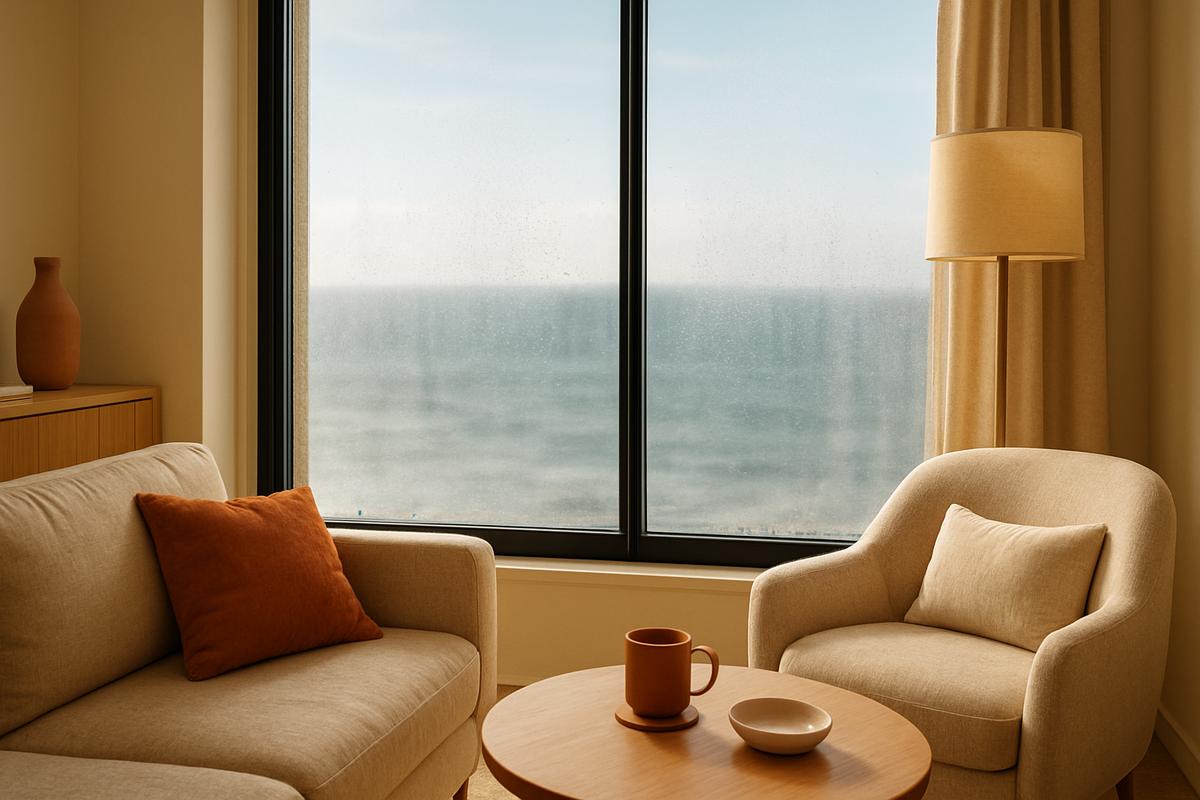
Windows, Ventilation, and Dampness: What to Check in a Seaside Apartment—Practical Guide
What this guide covers
When viewing a seaside apartment, windows, ventilation and dampness are among the most important factors for long‑term comfort and maintenance. This guide gives clear, actionable steps to inspect, test and negotiate if you find issues.
Prepare before the viewing 🔎
- Phone with a good camera and a flashlight
- Notepad to record observations and questions
- A simple plan of the apartment or façade if available
Windows: appearance and installation
- Check seals around frames — gaps or crumbling plaster at the frame edge often allow moisture and salt spray in.
- Ask about the type of windows and approximate age; a newer window doesn't guarantee a proper installation.
- Look for corrosion on metal fittings or discoloration on sills — signs the marine environment is affecting materials.
Window functionality
- Open and close the windows to test smoothness and the absence of drafts.
- Test locking mechanisms and micro‑ventilation positions to ensure they operate properly.
Condensation and signs of chronic moisture
- A small amount of condensation in cold months can be normal; persistent water in corners, peeling paint or stains are red flags.
- White salt stains or rust near metal elements indicate marine aerosol exposure and can mean accelerated material degradation.
Ventilation: natural vs mechanical
- Check for exhaust grilles in the kitchen and bathroom and for passive air inlets near windows or walls.
- A quick test: hold a thin paper or tissue near the grille; it should move slightly with airflow if extraction is working.
- For apartments with mechanical systems, ask about maintenance responsibility and frequency.
Spotting mold and diagnosing causes
- Discoloured patches on walls and ceilings, especially in corners, point to raised humidity or poor airflow.
- A musty smell suggests hidden mold in wardrobes, behind furniture or inside wall cavities.
- If moisture is widespread, it may stem from the building’s ventilation or insulation, not just the apartment windows.
Simple on‑site tests and observations
- Inspect window reveals and sills after a rainy night for seepage marks.
- Observe the apartment at different times — some issues are most visible in the morning.
- Use a small tissue or paper to test airflow at vents (avoid open flame tests near flammable materials).
Questions to ask the seller or management
- When were major repairs or upgrades done? What exactly was changed?
- Are there warranties for window installation or ventilation equipment?
- Have there been past incidents of flooding or leaks in the building?
- Who is responsible for common ventilation maintenance in the building?
Negotiation and contract tips
- Request price adjustment or completion of repairs if significant dampness or installation faults are discovered.
- Include a clause requiring remediation within a fixed period after purchase.
- For new builds — ask for technical documentation on waterproofing, insulation and ventilation systems.
Practical prevention and fixes 🛠️
- Regular airing and using kitchen/bathroom extraction fans after use.
- Install a dehumidifier if you notice persistent excess moisture.
- Repair window seals and ensure proper flashing and exterior finishes.
- Treat affected areas after they are dried and the root cause removed.
Example scenarios
- Damp focused around a window often points to poor installation or gasket failure.
- Widespread humidity and persistent odor typically indicate inadequate ventilation or building‑level issues.
Final notes
A careful inspection of windows, ventilation and dampness will help you evaluate cost and effort needed to make a seaside apartment comfortable and durable. Document everything and ask clear questions during viewings.
If you'd like, BuyHome can help arrange a thorough inspection and advise on repairs or negotiation strategy. Contact us — we’ll help you choose the right property.
Date added: 08.07.26
Related articles



Related categories

How to choose an apartment
A practical guide to choosing an apartment in Georgia: key criteria, location assessment, document checks, and common buyer mistakes to avoid.

How to check a developer
A practical guide to checking a real estate developer in Georgia before purchase: documents, permits, risks, and legal safety.

Documents for purchase
A clear overview of documents required to purchase property in Georgia, including buyer and seller requirements, timelines, and key risks.

Transactions for foreigners
A clear overview of property transactions for foreigners in Georgia, including rules, restrictions, required documents, and key specifics.

Property registration
Property registration in Georgia: procedures, required documents, timelines, and key details for buyers and investors.

Apartment prices
Apartment prices in Georgia: market overview, differences by district and property type, and key factors shaping prices.
Benefits of buying property on BuyHome.ge

Best property prices
No commission for buyers
Up-to-Date Properties on the Website
Free property selection
Free transaction support
Free expert consultations

Submit a Request
for a Consultation!

2026 © All rights reserved