

BuyHome.ge
+995 595 33 78 33


A Tenant Installs AC or Internet: What the Owner Should Agree
A Tenant Installs AC or Internet: What the Owner Should Agree
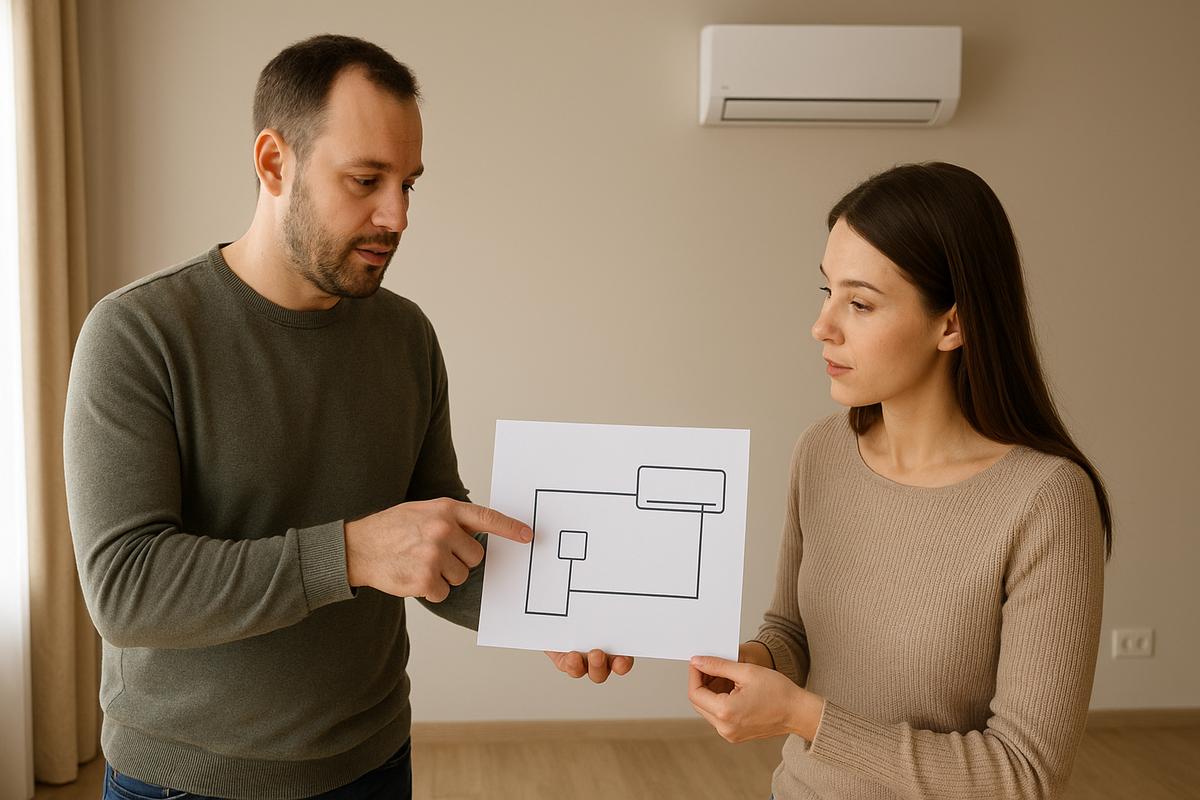
A tenant wants to install air conditioning or internet at their own expense. The owner agrees, but at departure questions arise: who owns the equipment, may the outdoor unit be removed and who restores drilled areas?
Before work, agree in writing on equipment, location, required permissions, installer and end-of-lease treatment. This article considers tenant-funded installation without changing rent; rent credits require a separate agreement.
🔎 Define the installation
For air conditioning, record indoor and outdoor models, proposed positions, service routes and installer. For internet, record the provider, equipment position and proposed cable route.
“Air conditioning is allowed” is too broad if the outdoor unit affects a façade or common part. The owner and specialist need the full scope beforehand.
📋 Written approval worksheet
| Question | Define |
|---|---|
| Equipment | Model, owner and purpose |
| Location | Indoor unit, outdoor unit, router or terminal |
| Work | Openings, cables and affected surfaces |
| Consent | Owner, management and other required parties |
| Installer | Qualifications, contact and records |
| Costs | Installation, maintenance and restoration |
| Responsibility | Damage and emergency procedure |
| Departure | Removal, retention and access |
Façade and common-service status varies by building. An apartment owner’s consent does not automatically replace every other required approval.
🛠️ Equipment and common parts
The tenant may own the air conditioner, but installation can affect walls, façade, drainage and electrical supply. Internet equipment may belong to the provider while its cable crosses common spaces.
Check permitted arrangements, access approvals and records for the actual building. Do not direct technical drilling or connections without professional assessment.
Payment and maintenance
Agree who pays the installer and provider, maintains equipment and receives fault reports. Establish how damage to the apartment or common areas is documented and assessed.
Do not automatically attribute every failure to the tenant. Responsibility depends on facts, contract and applicable law.
📝 At departure
Possible agreed outcomes include tenant removal and restoration; transfer to the owner on agreed terms; or return of provider-owned equipment under its contract.
For each, define date, contractor, access and condition record. Do not assume automatic reimbursement or an unrestricted right to leave alterations.
Before-and-after condition
Take dated photographs of agreed areas before work and record existing defects. Afterwards inspect affected surfaces, collect available records and note issues.
Provide the owner with agreed instructions and service contacts. Personal account passwords and one-time codes are not necessary to transfer equipment.
Hypothetical example
A tenant proposes internet and air conditioning. The owner agrees to indoor equipment, while cable routing and outdoor placement still need building-rule review. The parties obtain required responses, agree the installer and then begin. This example is fictional.
Frequently asked questions
If the tenant pays, is consent unnecessary?
No. Paying and having authority to alter property are different matters.
Does the air conditioner automatically belong to the owner?
No. Ownership and departure terms must be agreed.
Can a cable run through a common corridor?
The route and required approvals depend on the building and provider.
Legal and technical information checked on 31 October 2026. Explore homes through BuyHome.
Date added: 20.11.26
Related articles






Related categories

Rent prices
Rental price breakdown in Georgia: district differences, seasonality, key price drivers, and how to estimate a realistic rental budget.

Annual rent
Annual rentals in Georgia: average prices by district, what’s included, contract terms, and how to choose without overpaying.

Daily rentals
Short-term rentals in Georgia: how profitability is calculated, how prices change by season, which costs reduce profit, and how to organize management.
Benefits of buying property on BuyHome.ge

Best property prices
No commission for buyers
Up-to-Date Properties on the Website
Free property selection
Free transaction support
Free expert consultations

Submit a Request
for a Consultation!

2026 © All rights reserved