

BuyHome.ge
+995 595 33 78 33


Aircraft Noise: How to Choose a Home Near the Airport for Comfort
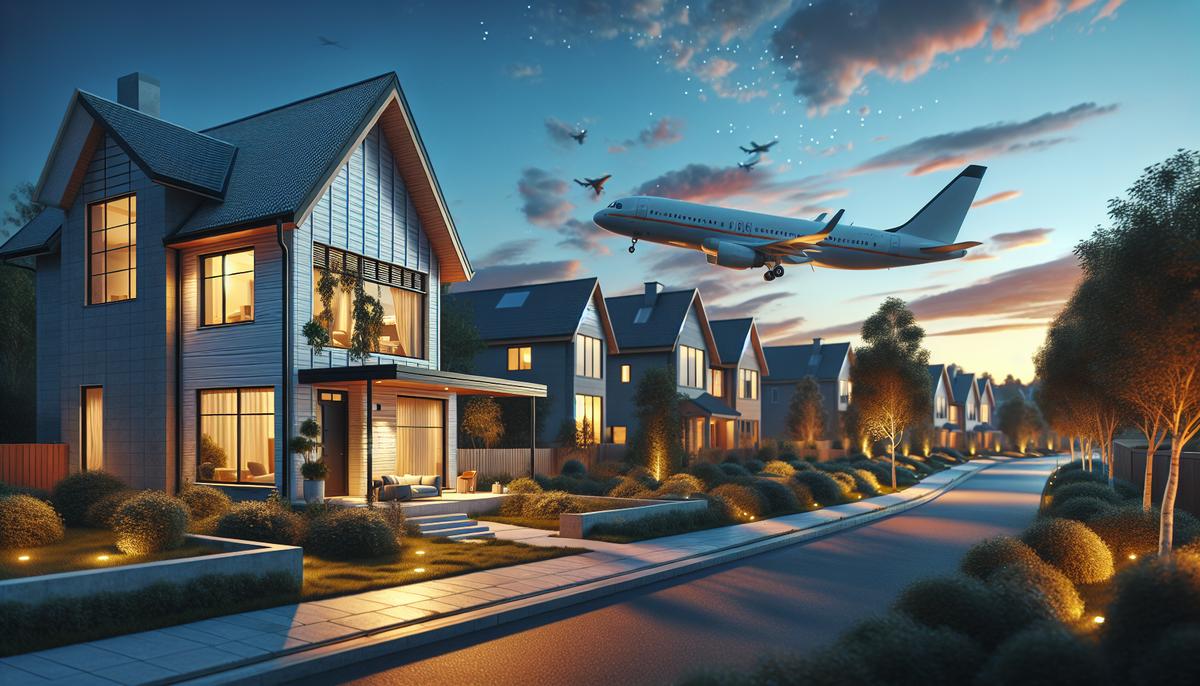
Aircraft Noise: How to Choose a Home Near the Airport for Comfort
Aircraft noise and living nearby — is it possible to be comfortable? ✈️🏡
Being close to an airport raises concerns about noise, but many practical measures make living nearby pleasant. This guide helps buyers and investors understand how noise behaves, what to look for in a home, and what upgrades truly matter.
Understand the nature of aircraft noise 🔊
How noise behaves
Aircraft noise comes from engines and the event of takeoff and landing, influenced by flight paths and local terrain. Its intensity changes with wind, flight schedules, and time of day.
How to assess real conditions
Visit potential homes at different times and on different days to hear how often flights pass and how loud they feel. Talk with neighbors, ask sellers for flight path information, and make your own observations — firsthand experience is essential.
Key features to check when choosing a home ✅
Location and orientation
- Prefer homes where main living rooms face away from the runway.
- Note that some upper floors can feel aircraft noise differently; orientation and urban layout influence sound propagation.
Floor level and room layout
- Keep bedrooms deep inside the floor plan when possible; living rooms can face the street side.
- Balconies and terraces can increase exposure — check their position relative to flight directions.
Construction and materials
- Buildings with dense walls and good insulation reduce external noise.
- Look for robust window frames, multi-layer walls, and well-sealed doors.
Windows, ventilation, and HVAC 🪟🌬️
- Modern multi-chamber glazing with effective seals significantly reduces outdoor sound.
- If windows are kept closed frequently, ensure mechanical ventilation with low noise levels or heat recovery to keep indoor air fresh without opening windows during flights.
Interior layout and acoustic treatments 🛋️
- Separate noisy and quiet zones: place guest spaces and kitchens closer to the noisier facade, and bedrooms farther inside.
- Soft furnishings, thick curtains, and acoustic panels reduce reflected sound inside the home.
Practical tips for families and investors 💡
- Families: prioritize quiet sleeping areas and ventilation solutions that allow windows to stay closed when needed.
- Investors: noise can affect rental demand, but properly insulated properties often remain attractive—highlighting comfort upgrades helps maintain value.
Pre-purchase checks — what to request and verify 🔎
- Ask the seller or developer about glazing specifications and wall construction.
- Consider a professional noise assessment or check local zoning and flight path plans.
- Spend time at the property to judge noise at different hours and imagine daily life there.
Post-purchase improvements that make the biggest difference 🛠️
- Upgrading to high-performance windows and installing tight-sealing doors are effective first steps.
- Adding interior acoustic insulation, thicker wall finishes, or floating floors further reduces transmission and improves comfort.
Legal and financial considerations ⚖️
- Proximity to an airport often affects price compared to quieter areas — use this in negotiations.
- Check local building rules and any municipality requirements related to noise; sometimes regulations require certain insulation standards.
Final practical checklist ✅
- Visit at different times, evaluate orientation and room placement, check window specs, and verify ventilation systems.
- Consider realistic upgrades and their costs when making your decision.
For a tailored search, start on our site: https://buyhome.ge/en/search or view apartments suitable for soundproofing: https://buyhome.ge/en/apartments
If you'd like help assessing properties or estimating necessary improvements, contact BuyHome — we’ll assist in finding a comfortable home near the airport.
Date added: 30.12.25
Related articles


Related categories

New Boulevard
New Boulevard in Batumi is one of the fastest-growing seaside areas: infrastructure, new developments, property prices, and investment prospects.

Old Town
Old Town Batumi is the historic city center with unique architecture and atmosphere: housing features, prices, rentals, and investment opportunities.

City Center
Batumi City Center is the most in-demand area of the city, offering strong infrastructure, business and tourist activity, stable rental demand, and high property liquidity.

Airport area
Batumi Airport area is a fast-developing district with new residential projects, improving infrastructure, and strong potential for property price growth.
Benefits of buying property on BuyHome.ge

Best property prices
No commission for buyers
Up-to-Date Properties on the Website
Free property selection
Free transaction support
Free expert consultations

Submit a Request
for a Consultation!

2026 © All rights reserved