

BuyHome.ge
+995 595 33 78 33


New Boulevard vs Airport Area: Where to Buy for Rentals

New Boulevard vs Airport Area: Where to Buy for Rentals
New Boulevard vs Airport District — quick overview 🏖️✈️
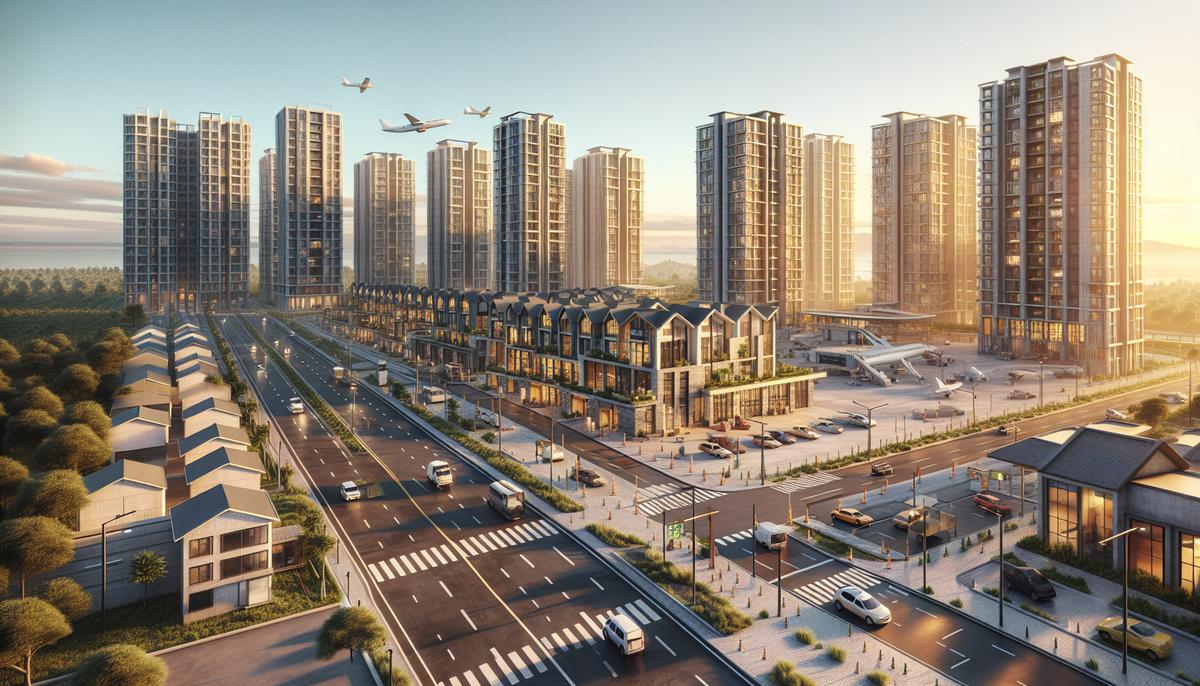
Both neighborhoods are attractive to investors but serve different rental strategies. New Boulevard is the seaside heart with tourists and seasonal demand. The Airport district is more residential, focused on long-term tenants and steady occupancy.
Who should consider each area
- New Boulevard is suited for investors targeting short-term rentals, guests who prioritize proximity to the sea, and owners who can actively manage bookings and turnovers.
- The Airport district suits investors seeking stable monthly tenants — professionals, families, and longer-stay visitors who value transport links and quieter streets.
Pros and cons at a glance ✅/⚠️
-
New Boulevard
- ✅ Strong tourist pull and high-season demand
- ✅ Attractive for guests who want sea views and immediate beach access
- ⚠️ Seasonal fluctuations and higher operational tasks (cleaning, check-ins)
- ⚠️ More active competition and marketing needs
-
Airport district
- ✅ More predictable, year-round occupancy
- ✅ Quieter surroundings and easy departures/arrivals
- ⚠️ Lower peak earnings compared to waterfront during high season
- ⚠️ Less appeal to short-stay tourists seeking sea proximity
Tenant profiles and rental strategy 📋
- New Boulevard: target holidaymakers, couples and small families looking for short stays. Focus on fast communication, polished photos, and flexible pricing.
- Airport district: aim for professionals and long-stay tenants. Offer comfortable furnishings, clear lease terms, and simple maintenance plans.
Strategies
- For sea-front short lets, prioritize guest experience, online visibility and quick turnovers.
- For airport-area rentals, emphasize reliability, full-month occupancy, and lower turnover costs.
Estimating returns without exact numbers 💡
Think in terms of patterns rather than fixed amounts. New Boulevard will typically show peaks during holiday seasons, while Airport-area units often produce steadier income across the year. Compare operating costs: short-term letting usually requires more active management, while long-term letting reduces turnover expenses but needs careful tenant screening.
Risks and mitigation 🛡️
- Seasonality: use dynamic pricing, minimum stays and advance bookings to smooth income.
- Competition: invest in quality photos and clear, accurate listings; create a unique selling point for your property.
- Legal and tax matters: consult a lawyer or an agency adviser to clarify local rental regulations and fiscal obligations.
Practical buying checklist 🧾
- Check the immediate surroundings: noise, transport links and nearby services.
- Estimate refurbishment and furnishing costs suited to your rental type.
- Verify the legal status and documentation of the property.
- Decide on management: self-manage or hire a professional company.
- Clarify local rules for rentals and any registration requirements.
How to choose based on your goals
- If you want active income management and higher seasonal gains, New Boulevard may be the right fit.
- If you prefer passive, steady returns with fewer turnovers, the Airport district often fits better.
- A balanced portfolio combining one short-term and one long-term rental can reduce overall risk and smooth cash flow.
If you want concrete comparisons of available properties, we can run tailored models and show realistic scenarios. Start your search or browse apartments here: https://buyhome.ge/en/search
Contact BuyHome — we'll help you pick the right property and plan your rental strategy.
Date added: 31.12.25
Related articles





Related categories

New Boulevard
New Boulevard in Batumi is one of the fastest-growing seaside areas: infrastructure, new developments, property prices, and investment prospects.

Old Town
Old Town Batumi is the historic city center with unique architecture and atmosphere: housing features, prices, rentals, and investment opportunities.

City Center
Batumi City Center is the most in-demand area of the city, offering strong infrastructure, business and tourist activity, stable rental demand, and high property liquidity.

Airport area
Batumi Airport area is a fast-developing district with new residential projects, improving infrastructure, and strong potential for property price growth.
Benefits of buying property on BuyHome.ge

Best property prices
No commission for buyers
Up-to-Date Properties on the Website
Free property selection
Free transaction support
Free expert consultations

Submit a Request
for a Consultation!

2026 © All rights reserved