

BuyHome.ge
+995 595 33 78 33


Complex Documents: Permit, Commissioning, Cadastre—What’s Required
Complex Documents: Permit, Commissioning, Cadastre—What’s Required
Residential complex documents: key checks before buying 🏢📑
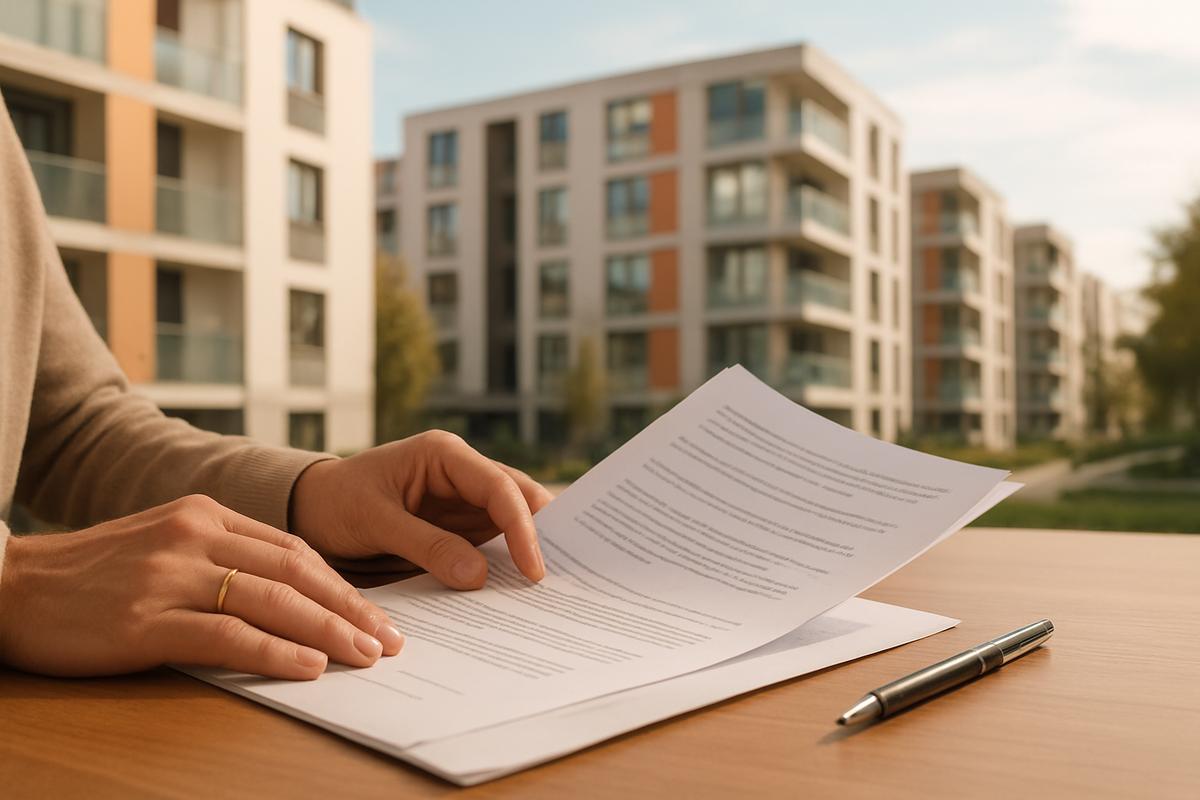
Buying in a new residential development means more than choosing a layout or floor. It requires verifying the legal documentation behind the project: construction permits, commissioning (occupancy) certificates, cadastral registration and sale contracts. This guide gives a clear checklist, practical steps and warning signs for buyers and investors in Georgia.
Core documents every developer should provide ✅
- Building permit or equivalent official authorization issued by the competent authority. This confirms the project is approved for the site.
- Commissioning/occupancy certificate (act of putting into operation) confirming the building is fit for use and matches technical standards.
- Cadastral information for the land plot and the building: cadastral numbers and registration extracts needed for property registration.
- Technical passport (apartment technical documentation) and floor plans.
- Connection protocols and approvals from utility providers (water, electricity, heating/sewage). These show readiness for service connection.
- Contractual and project documentation, including any approved modifications to the original project.
What to check for a specific apartment or unit 🔎
- Confirm the apartment has an assigned cadastral number and appears in the public registry.
- Ensure the building has a commissioning certificate and check whether stage-by-stage commissioning applies.
- Review the sale or preliminary contract, payment receipts and handover acts.
- Compare the actual apartment layout and area to the technical passport and contract.
How to verify documents — practical steps 🛠️
- Request copies of originals from the developer: permits, commissioning acts, technical passports, cadastral extracts. Originals or certified copies are preferable.
- Verify details in public registries (land and property registry, cadastral database). This confirms legal status and ownership claims.
- Consider an independent technical audit or legal review for complex or high-value purchases.
- Ask about staging: many complexes are completed in phases, and commissioning may apply to parts of the project.
- Confirm that shared infrastructure has been accepted and documented — missing handover protocols can delay utility connections.
Red flags to watch for 🚩
- The developer refuses to show original certificates or only provides unsigned copies.
- The land or building lacks a cadastral entry or registry record.
- Significant differences between the advertised project and delivered construction.
- Outstanding issues with utility providers or missing acceptance protocols.
Practical tips for buyers and investors 💡
- Request a commissioning act before signing the final contract, or include contractual conditions that transfer ownership only after commissioning.
- For off-plan purchases, use a preliminary contract that includes timelines, penalties for delays and clear payment schedules.
- Investors should check permissions for commercial use and any restrictions on renting or alterations.
- Obtaining the technical passport and service plans helps estimate operating costs and potential limitations.
Bottom line: reduce risks with careful verification ✅
Document checks are essential for safe real estate transactions. Insist on originals, cross-check with registries, understand the commissioning phases, and request independent audits when needed. If something feels unclear or rushed, pause and seek professional review.
BuyHome can help review documentation, interpret legal details and find reliable options for buying or investing in Georgia. Contact us for assistance in choosing and verifying properties.
(If useful: check building search options to evaluate project status: https://buyhome.ge/en/search/building)
Date added: 28.06.26
Related articles






Related categories

How to choose a complex
How to choose a residential complex in Georgia — key criteria affecting comfort, liquidity, and investment returns, with common mistakes explained.

How to complete a deal
How to complete a real estate purchase in Georgia — step-by-step breakdown of the process, documents, timelines, and common buyer mistakes.

Bank account opening
How to open a bank account in Georgia — requirements for foreigners, required documents, timelines, and key banking specifics.

Utilities guide
Utility bills in Georgia — overview of electricity, water, gas, internet, and building maintenance costs, with payment methods and expense calculations.
Benefits of buying property on BuyHome.ge

Best property prices
No commission for buyers
Up-to-Date Properties on the Website
Free property selection
Free transaction support
Free expert consultations

Submit a Request
for a Consultation!

2026 © All rights reserved