

BuyHome.ge
+995 595 33 78 33


Delay Penalties: How to Write Them and Actually Enforce
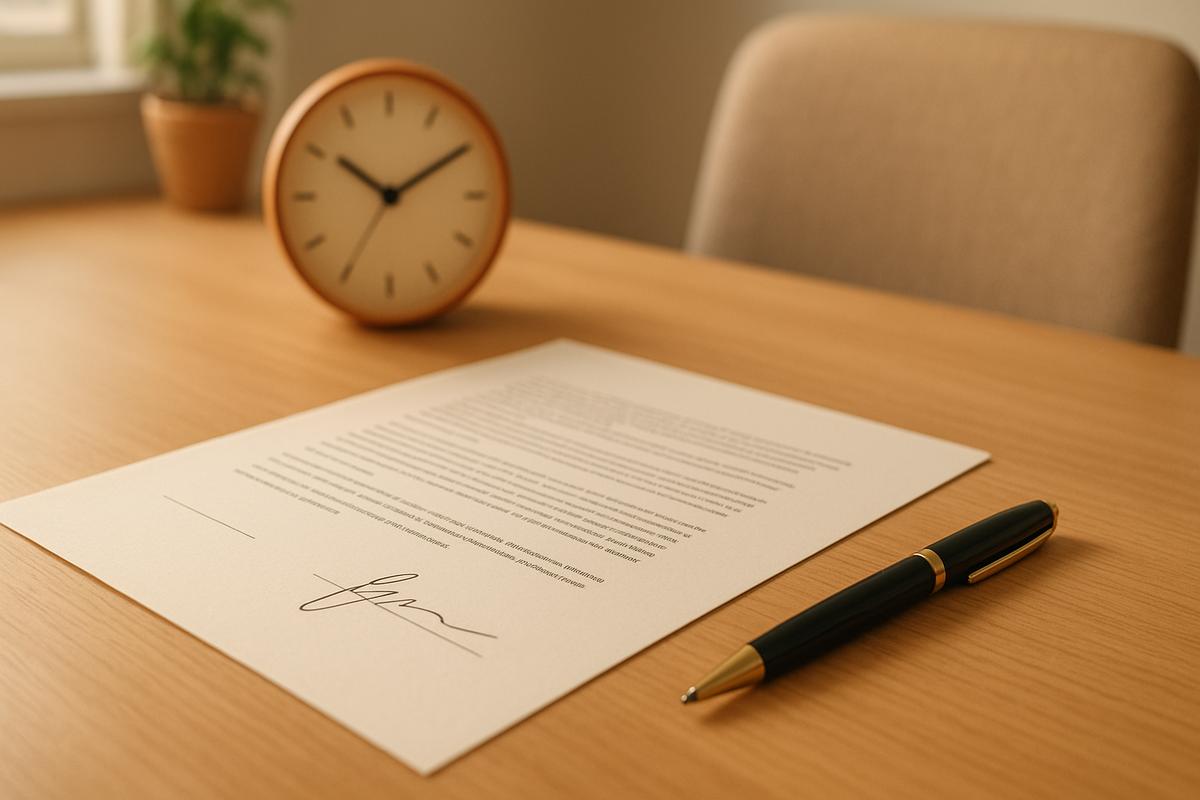
Delay Penalties: How to Write Them and Actually Enforce
Penalties for Missed Deadlines: How to Draft and Enforce ⚖️
Delays in property transactions and construction are a common source of disputes. This guide explains how to draft penalty clauses that are clear and enforceable, how to document delays, and what practical enforcement options exist.
Why write penalties into the contract? 📝
- A penalty clause protects the buyer and creates an incentive for the contractor or developer to meet deadlines.
- Clear wording reduces ambiguity and shortens dispute resolution time.
- Contracts without specifics often lead to lengthy correspondence or court cases.
Essential elements to include in the contract 🔎
- Exact dates and milestones. Use calendar dates or clearly defined acceptance criteria rather than vague terms.
- Calculation method. Describe how penalties are calculated—e.g., a small daily fraction of the price of the delayed stage or of the entire contract.
- Cap on total penalties. A maximum limit helps balance risks and reduces claims of disproportionality.
- Force majeure provisions. List events that excuse performance and the notice procedure required.
- Notice and cure periods. Allow a short grace period for fixing the delay before penalties apply.
- Acceptance procedure and evidence. Specify which acts, photos, or inspection reports count as proof of delay.
- Security mechanisms: retention, escrow, performance bond, or bank guarantee.
Practical wording tips ✍️
- Use formulaic clauses: "For each day of delay Buyer may claim a penalty equal to a stated fraction of the stage price."
- Include the cap: "Total penalties shall not exceed the agreed maximum, after which parties will renegotiate."
Always adapt examples to your transaction and review them with legal counsel.
How to document a delay 📸
- Save correspondence, signed progress reports, dated photos and videos.
- Use independent expert reports when necessary.
- Send formal notices with proof of delivery as soon as a delay is detected.
Practical enforcement options 🛠️
- Withholding from payment. If the contract allows, deduct penalties from the next payment.
- Calling a bank guarantee or performance bond. Use it when agreed security is in place.
- Court or arbitration. Clear contractual formulas simplify enforcement, but courts may assess proportionality.
- Negotiation and remediation. Sometimes agreeing a new schedule or compensation is faster than litigation.
Tips for buyers and investors ✅
- Keep clause language simple and unequivocal.
- Require stage acceptance certificates signed by both parties.
- Agree on force majeure procedures and documentary proof in advance.
- Insist on security mechanisms to make penalties practical, not theoretical.
Tips for developers and contractors 🤝
- Offer reasonable cure periods and differentiate penalties by severity of delay.
- Build objective verification procedures for weather and supply disruptions.
- Suggest pragmatic remedies: accelerated works, partial compensation, or adjusted schedules instead of long disputes.
Quick pre‑signing checklist 📋
- Are milestone dates explicit?
- Is the penalty formula clear and is there a cap?
- Are evidence and notice procedures defined?
- Are security measures in place?
Conclusion
Penalty clauses work when they are well drafted and supported by evidence and enforcement mechanisms. Clear rules save time and money and make conflict resolution more predictable.
If you need assistance reviewing a contract or drafting penalty clauses tailored to your property deal, BuyHome experts can help. Contact us for practical support and protection in buying or investing: https://buyhome.ge/en
We’ll help you choose property and secure the transaction — reach out and we’ll guide you through the process.
Date added: 15.08.26
Related articles





Related categories

Renovation costs
A practical guide to apartment renovation costs in Georgia—labor and materials, timelines, common pitfalls, and how to control your budget.

Choosing a contractor
How to choose a renovation contractor in Georgia: where to look, what to verify, and how to control quality so you don’t lose time or budget.

Interior
Interior trends in Georgia, layouts, and practical apartment solutions: how to choose a style, plan zones, and create a design that works for living or renting.
Benefits of buying property on BuyHome.ge

Best property prices
No commission for buyers
Up-to-Date Properties on the Website
Free property selection
Free transaction support
Free expert consultations

Submit a Request
for a Consultation!

2026 © All rights reserved