

BuyHome.ge
+995 595 33 78 33


Electrical and Plumbing in White Frame: What Should Be There in Reality
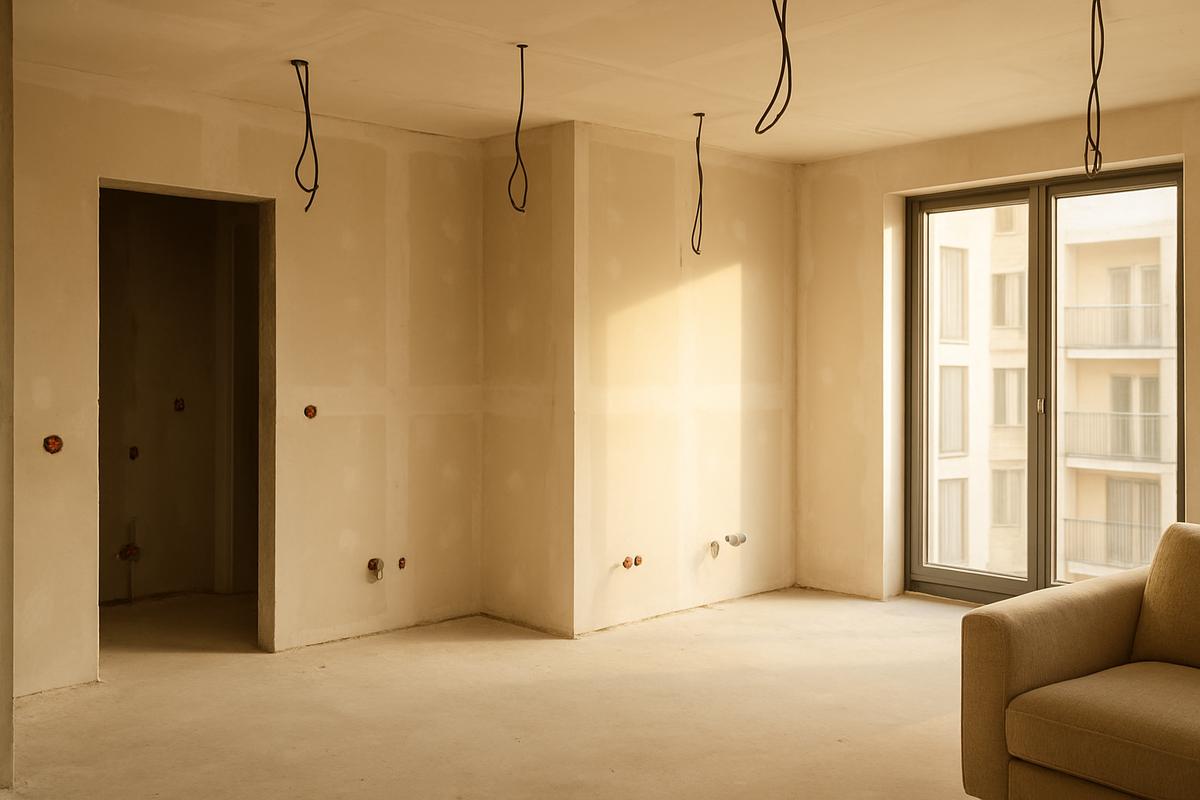
Electrical and Plumbing in White Frame: What Should Be There in Reality
What is a "white frame" and why check engineering systems? 🔍
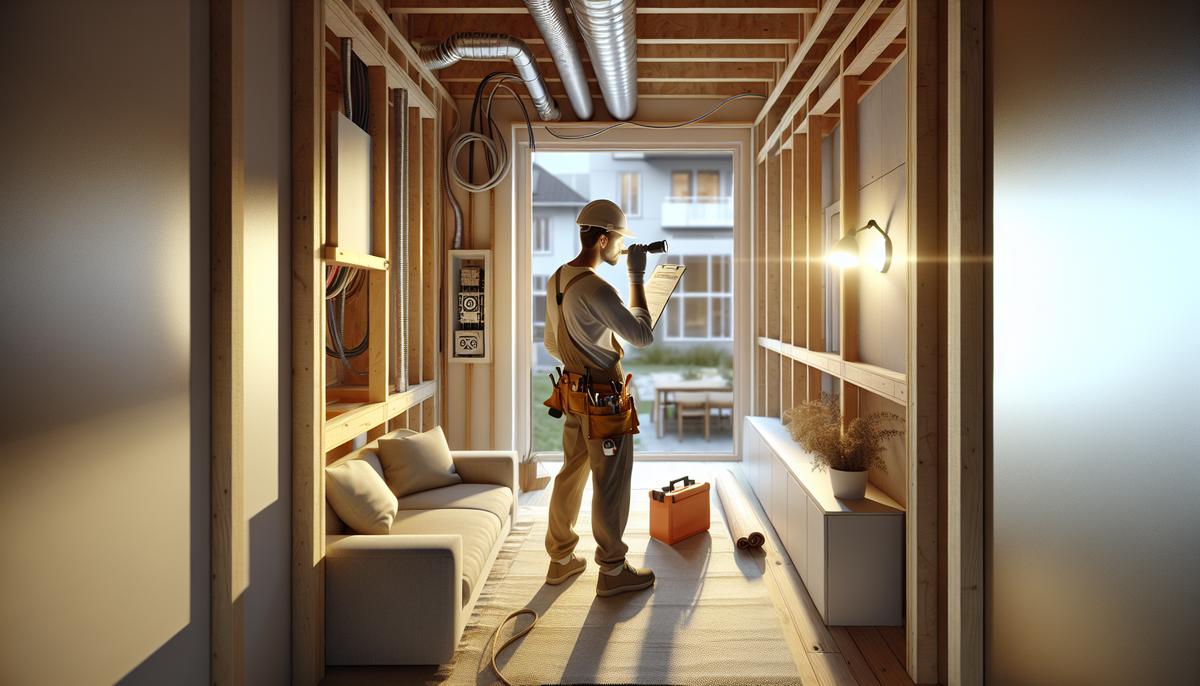
A "white frame" apartment usually means the space is at a finishing-ready stage: walls prepared, basic wet-area finishes done, and rough-ins for utilities are installed. For buyers and investors it's crucial to know what electrical and plumbing elements should be completed to avoid costly corrections later.
Quick checklist: what should be present ✅
- Rough electrical wiring brought to the distribution board, protected in conduit or corrugated tubing.
- Distribution board location prepared, with space for circuit breakers and a main cable entry.
- Grounding (earthing) bus and leads present and accessible.
- Plumbing stub-outs for cold and hot water in bathrooms and kitchen with caps.
- Drain connections for toilet, sink, and shower/bath at appropriate heights and sealed.
- Collector manifolds installed or reserved locations for them.
- Provision points for appliances (oven, hob, boiler, washing machine, AC).
Electrical specifics to inspect ⚡
What should be done
- Wiring run neatly and protected where it will be covered by finishes.
- Junction boxes/fixture boxes installed at outlet and switch locations.
- Main distribution board prepared and reachable.
- Earthing system visible and clearly marked.
How to check on site
- Visually inspect cable runs and look for damage or exposed conductor.
- Check for labeling or color coding of wires — this simplifies later finishing work.
- Ask if the developer has test reports (insulation resistance, continuity). If none, request testing before handover.
Deal-breakers
- Missing earthing or poorly connected grounding conductors.
- Unprotected wiring in areas that will be finished.
- Unknown cable types or signs of poor-quality materials.
Plumbing: what to expect and test 🚿
Expected elements
- Stub-outs for cold and hot water with protective caps at sanitary fixture positions.
- Drain outlets for sinks, showers, and toilets properly placed.
- Connections for washing machines and dishwashers accessible and capped.
- Risers and manifolds in place if included in the project.
On-site checks
- Confirm outlet positions match your planned layout for fixtures and furniture.
- Inspect pipes and fittings for signs of leaks, moisture staining, or corrosion.
- Verify caps are intact and removable for commissioning.
Practical tips for buyers and investors 💡
- Photograph engineering points during inspection — photos help in warranty discussions.
- Hire an independent electrician/plumber for a short inspection; it often saves money later.
- Agree with the developer on testing procedures and documentation before signing acceptance.
- Plan final outlet locations in advance based on your furniture and appliances to avoid extra chiselling.
What can be improved later without major cost
- Adding extra outlet points and dedicated circuits for heavy appliances.
- Upgrading the distribution board with proper breakers and residual-current devices (RCDs).
- Installing pressure regulators or filters on main water lines if needed.
Warranty and documentation matters 📜
Request test certificates and warranty information from the developer for all installed systems. If documents are missing, document the absence and make it part of the handover conditions.
Final steps before taking keys 🗝️
- Walk through the checklist for both electrical and plumbing systems.
- Record photos and short videos of the installations.
- Bring a specialist if anything looks uncertain.
Need help inspecting a white-frame apartment or choosing a property with reliable engineering? Contact BuyHome — we can arrange expert checks and guide you through handover. https://buyhome.ge/en https://buyhome.ge/en/apartments
Date added: 01.08.26
Related articles


Related categories

White vs black frame
White vs black frame in Georgia: what’s included, which renovation stages you’ll face, real-world cost differences, and which option is better for your budget and timeline.

Batumi vs Tbilisi
Batumi vs Tbilisi for property buyers: prices, neighborhoods, infrastructure, rental demand, and growth outlook. A clear guide to choose the right city for your goals—sea lifestyle or capital-city investing.

New vs resale
Primary vs resale property in Georgia: prices, condition, move-in timelines, deal risks, and real returns. A clear guide to choose the best option for living, renting, or investing.

Complex vs house
A practical comparison of residential complexes vs private houses in Georgia—costs, risks, rental income, and resale liquidity to choose the right format.
Benefits of buying property on BuyHome.ge

Best property prices
No commission for buyers
Up-to-Date Properties on the Website
Free property selection
Free transaction support
Free expert consultations

Submit a Request
for a Consultation!

2026 © All rights reserved