

BuyHome.ge
+995 595 33 78 33


How to Avoid Rework: Technical Brief and Communication with the Crew
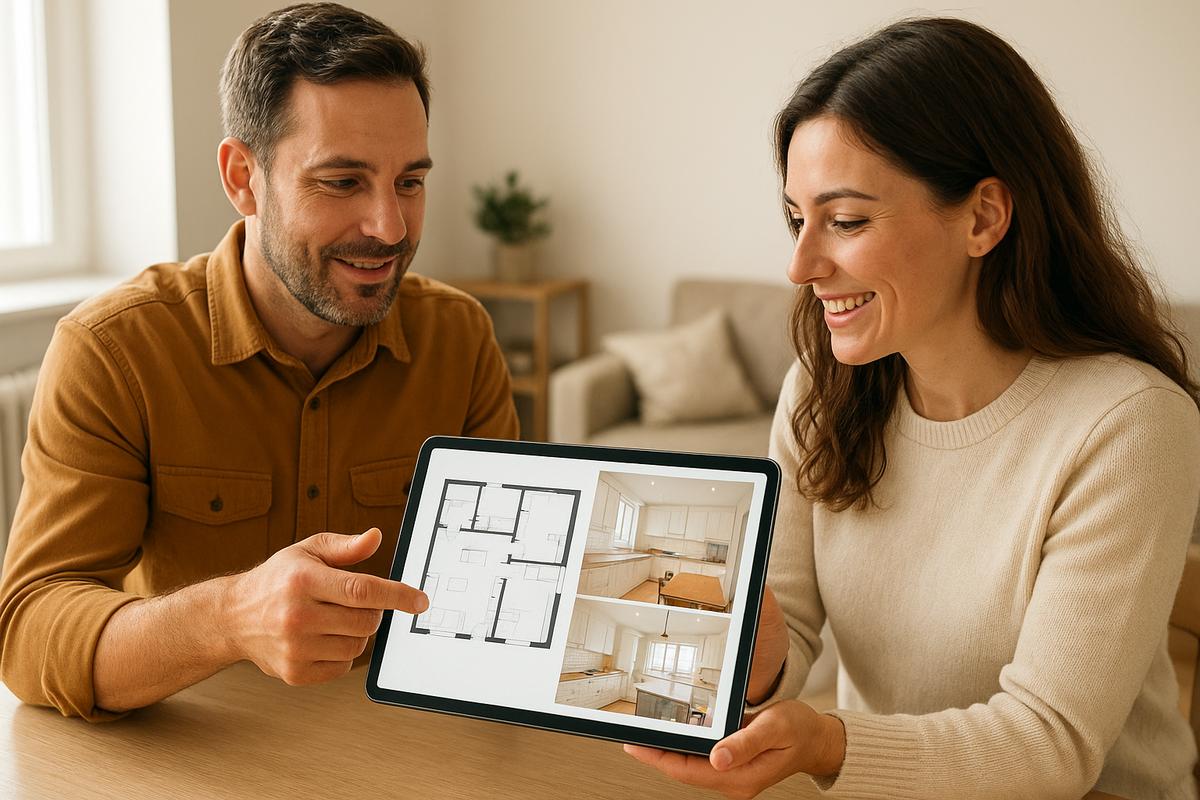
How to Avoid Rework: Technical Brief and Communication with the Crew
Introduction
Rework is one of the most common sources of delay and cost overrun in renovations. 😕 Most problems stem not from bad intent but from unclear technical briefs and weak communication. This guide offers practical steps to reduce misunderstandings and keep the project on track.
Why rework happens
- Vague verbal agreements.
- Lack of visual references (plans, sketches, photos).
- Different expectations about materials and finishes.
- No staged acceptance or quality checks.
Recognising the root causes helps you close them systematically.
How to prepare a clear technical brief (spec) ✅
Essential elements of a technical brief
- Room-by-room scope: what to demolish, build, and finish.
- Materials: required types or performance (e.g., moisture-resistant, high-wear).
- Drawings or annotated photos with dimensions.
- Finish level: reference photos or written standards.
- Acceptance criteria: how each stage will be checked and signed off.
Practical formatting tips
- Structure the spec by rooms and by stages — easier to track. 📋
- Attach "before" photos and target reference images.
- Use simple labels: “Stage A – rough works”, “Stage B – finishes”.
- Include a clause for change orders: how changes are priced and approved.
Communication with the crew 🗣️
- Appoint a single contact from your side and one from the crew to avoid mixed messages.
- Short weekly check-ins or photo reports reduce surprises.
- Use messenger apps for daily photo updates: real-time images help resolve questions quickly.
- Put all change approvals in writing, even short messages count as proof.
Communication tone
Be clear and respectful. Constructive feedback and collaborative problem solving usually produce better results than a confrontational approach.
Contracts, timelines and payments — protect yourself
- Split payments by stages and retain a small amount until final acceptance.
- Clearly state consequences for missed deadlines and for defective work — word them precisely to avoid disputes.
- Specify warranty terms for workmanship and materials.
Acceptance checklist for owners 🛠️
- Check visible defects: straightness of walls, joints, clean finishes.
- Test services: sockets, switches, plumbing for leaks or faults.
- Compare outcomes with the reference images in the spec.
- Create and sign a staged acceptance certificate — it’s your best protection.
Example checklist items
- Stage 1: demolition — debris removed, surfaces prepared.
- Stage 2: rough-in — utilities installed, surfaces leveled.
- Stage 3: finishes — no paint runs, consistent tile joints.
Common mistakes and how to avoid them
- Using aspirational references that don’t match your budget — choose realistic examples.
- Over-saving on materials that cause delays or failures later.
- Skipping staged acceptance — inspect during the process, not only at the end.
Useful communication phrases
- “Please send a photo of the corner after plastering before painting.”
- “If the material needs to change, let’s agree on cost and timeline in writing.”
- “Let’s complete this stage with a signed acceptance form.”
Conclusion — prevention is cheaper than correction
A clear technical brief and simple communication routine significantly reduce rework, delays and stress. It’s more about planning and discipline than extra cost.
If you’re buying property in Georgia or planning a renovation after purchase, we can help prepare a spec and manage quality checks. Start your property search here: https://buyhome.ge/en/search
Contact BuyHome — we’ll help you choose a property and set up a reliable plan for the works.
Date added: 12.08.26
Related articles




Related categories

Renovation costs
A practical guide to apartment renovation costs in Georgia—labor and materials, timelines, common pitfalls, and how to control your budget.

Choosing a contractor
How to choose a renovation contractor in Georgia: where to look, what to verify, and how to control quality so you don’t lose time or budget.

Interior
Interior trends in Georgia, layouts, and practical apartment solutions: how to choose a style, plan zones, and create a design that works for living or renting.
Benefits of buying property on BuyHome.ge

Best property prices
No commission for buyers
Up-to-Date Properties on the Website
Free property selection
Free transaction support
Free expert consultations

Submit a Request
for a Consultation!

2026 © All rights reserved