

BuyHome.ge
+995 595 33 78 33


How to Check Utilities/Systems: Water, Ventilation, HVAC
How to Check Utilities/Systems: Water, Ventilation, HVAC
Why check utilities before buying or renting 🛠️
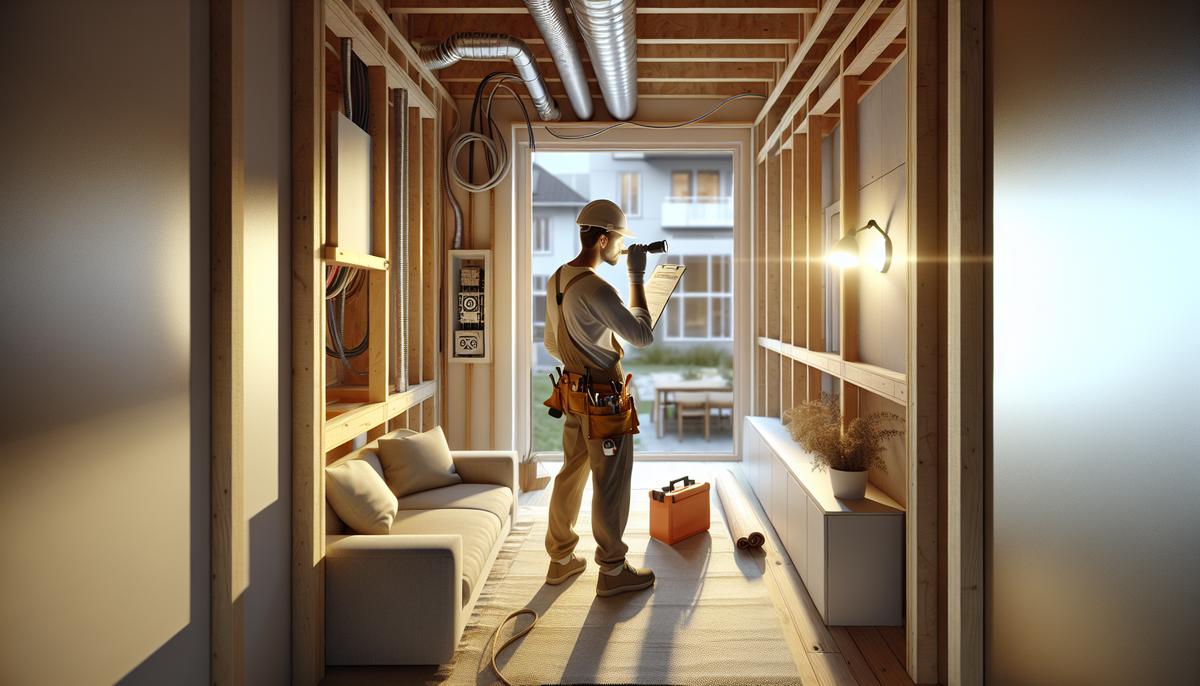
Utilities are the backbone of a comfortable home. Problems with water, ventilation or HVAC can cause recurring repairs, poor indoor air quality, and hidden expenses. This guide gives practical steps you can take during a viewing to assess these systems and make informed decisions.
Prepare for the inspection ✅
- Bring a small torch, gloves and a notepad. If possible, ask the owner to demonstrate systems during your visit.
- Schedule the visit in daylight and when utilities are turned on for realistic checks.
Water supply and drainage 💧
Visual inspection
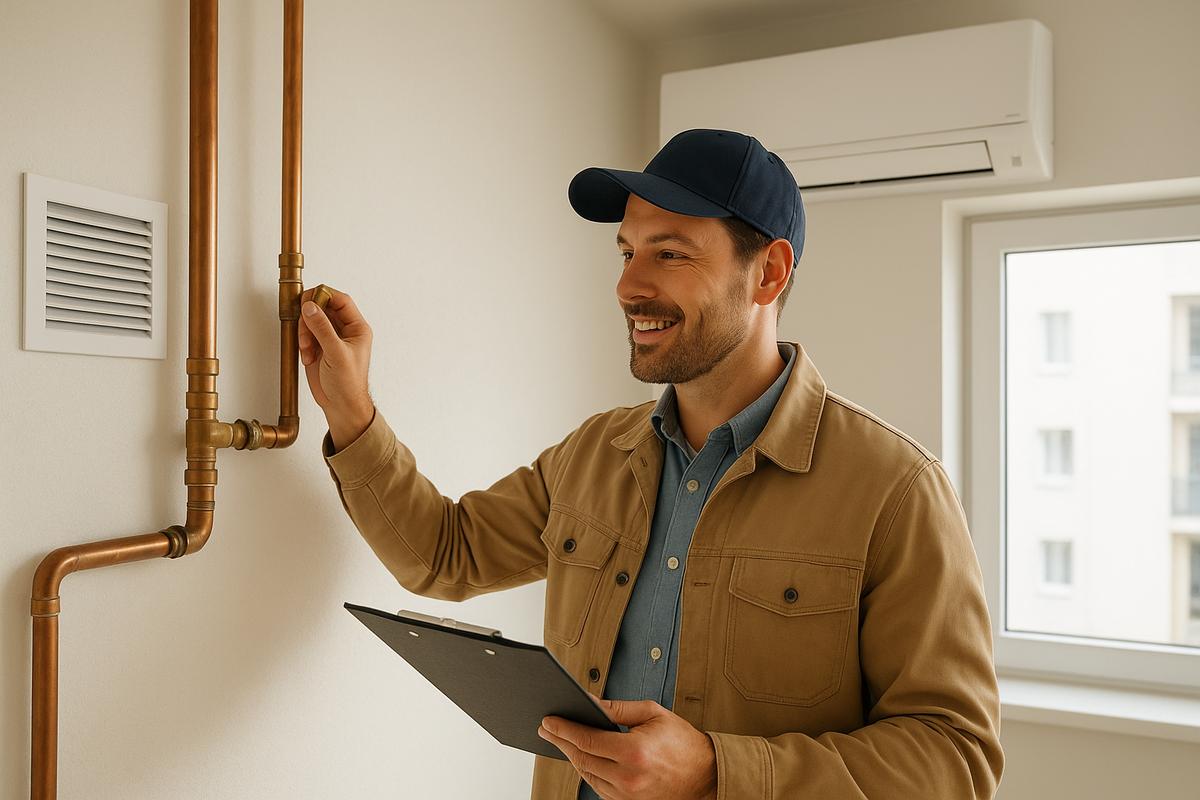
- Look at visible pipes and joints. Signs of corrosion, damp patches or makeshift repairs suggest issues to investigate further.
- Check under sinks and around toilets for stains or fresh damp spots.
Simple tests to run
- Turn on both hot and cold taps to check flow and temperature stability. Low or erratic pressure may signal shared risers or blocked pipes.
- Test sinks, showers and baths for drainage speed. Slow drainage often means partial blockages in the waste lines.
- Smell for sewer or chemical odors near drains — this may indicate broken traps or problems in the sewage stack.
Water quality concerns
- If water appears discolored or tastes off, request water quality information from the seller or ask about recent tests.
- For properties relying on local wells or private sources, consider arranging a lab test before finalizing a purchase.
Ventilation and humidity control 🌬️
Natural versus mechanical ventilation
- Older buildings typically rely on passive ventilation through vents and gaps; this may be insufficient for kitchens and bathrooms.
- Newer buildings often have mechanical extractors or balanced systems. Verify these are operating and maintained.
Signs of poor ventilation
- Persistent condensation, musty smells or visible mold are clear red flags.
- Check extractor grilles in bathrooms and kitchens for dust buildup or lack of airflow.
Quick airflow check
- Hold a thin piece of paper to the extractor grille; it should move or stick slightly if there is airflow.
- Turn on kitchen or bathroom extractors during the visit and listen for consistent operation.
Air conditioning and HVAC ❄️
What to ask and inspect
- Identify the system type (window unit, split, multi-split, central). Each type has different maintenance needs.
- Ask about service history, filter changes, and the last professional maintenance visit.
Simple functionality checks
- Turn the unit to cooling mode and wait a few minutes — the air should noticeably cool and feel steady.
- Listen for unusual noises, rattles or odors from the indoor and outdoor units.
- Inspect outdoor units for oil stains, leaks or severe corrosion.
Condensate and drainage
- Make sure condensate lines are present and not leaking into the living space; blocked drains can cause water damage and mold.
Viewing checklist (take with you) 📋
- Visual inspection of pipes and visible connections.
- Test water flow and drainage for hot and cold taps.
- Check for odors, moisture stains and mold signs.
- Verify extractor fans and AC units operate and show no alarming noises.
- Ask for maintenance records and recent repairs.
When to call a professional 🔍
If you find leaks, rusty piping, persistent odors or mold, arrange for a qualified plumber or HVAC technician. For investment purchases, a pre‑purchase technical inspection can reveal hidden issues and help negotiate conditions or price adjustments.
Final tips and next steps 🤝
Avoid making assumptions about unseen systems; request clear answers from the seller and, when in doubt, get a specialist opinion. If you want help finding properties and arranging professional checks, use our search and listings: https://buyhome.ge/en/search
Need assistance with a viewing or an expert inspection? Contact BuyHome — we’ll help you choose and check the right property.
Date added: 30.07.26
Related articles


Related categories

White vs black frame
White vs black frame in Georgia: what’s included, which renovation stages you’ll face, real-world cost differences, and which option is better for your budget and timeline.

Batumi vs Tbilisi
Batumi vs Tbilisi for property buyers: prices, neighborhoods, infrastructure, rental demand, and growth outlook. A clear guide to choose the right city for your goals—sea lifestyle or capital-city investing.

New vs resale
Primary vs resale property in Georgia: prices, condition, move-in timelines, deal risks, and real returns. A clear guide to choose the best option for living, renting, or investing.

Complex vs house
A practical comparison of residential complexes vs private houses in Georgia—costs, risks, rental income, and resale liquidity to choose the right format.
Benefits of buying property on BuyHome.ge

Best property prices
No commission for buyers
Up-to-Date Properties on the Website
Free property selection
Free transaction support
Free expert consultations

Submit a Request
for a Consultation!

2026 © All rights reserved