

BuyHome.ge
+995 595 33 78 33


Indexation and Rent Increases: How to Write It Correctly in the Contract
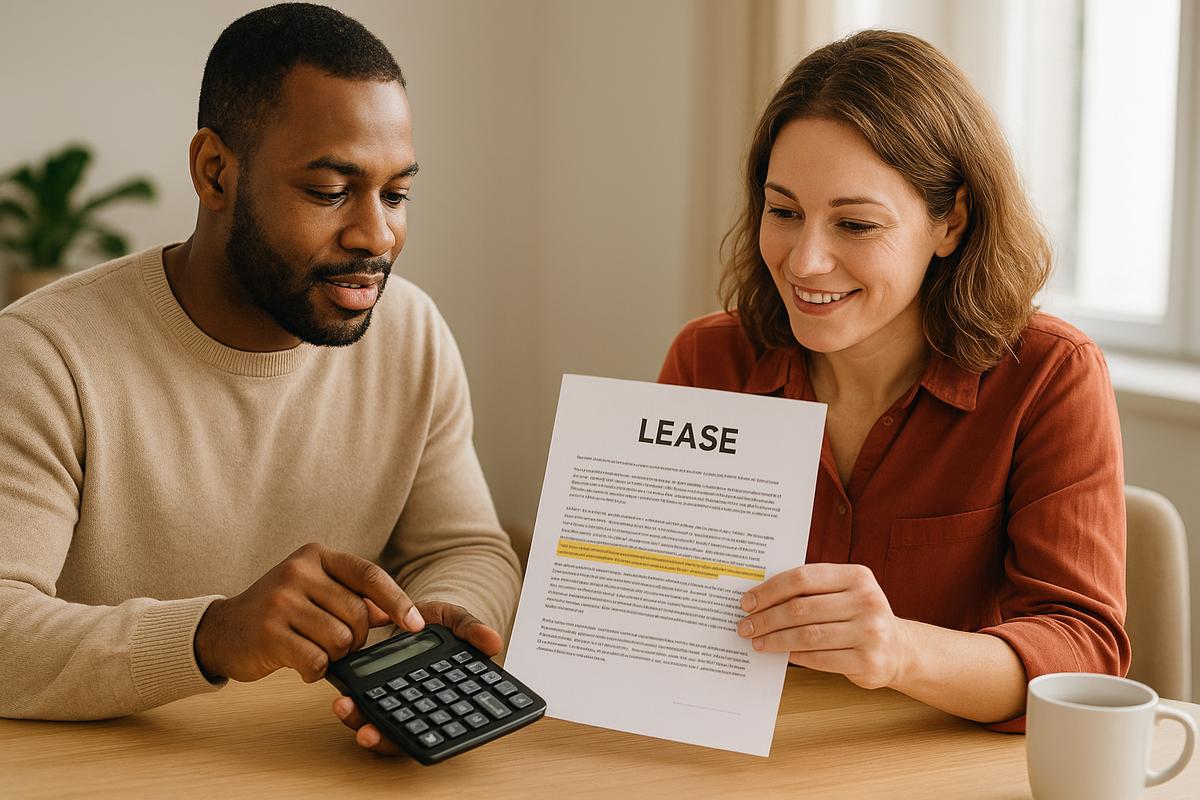
Indexation and Rent Increases: How to Write It Correctly in the Contract
Why include indexation in the lease? 📑
Indexation and rent increase clauses protect rental income from inflation and market shifts. When left undefined, increases can lead to disputes or be legally challenged. A clear clause gives predictability to both landlord and tenant.
Common indexation approaches
- Fixed annual increase: a set percentage rise each year (used as a simple benchmark).
- CPI-linked: adjustments tied to an officially published consumer price index.
- Hybrid model: base fixed increase plus an index-linked adjustment.
- Market review: periodic increases after a market-rent assessment.
Each method has trade-offs: fixed increases are administratively simple; CPI-linked can be fairer in volatile inflation; market reviews are flexible but require evidence and can provoke disagreement.
What to write into the lease — essentials ✅
- A clear definition of the mechanism: formula, frequency, and effective date.
- Calculation method and data source (identify the specific index if using CPI).
- Caps or floors if either party wants to limit extremes.
- Notice requirements: how far in advance the tenant will be informed.
- Dispute resolution: process for questioning the calculation (mediation, arbitration, courts).
- Contingency clauses if indexation becomes legally or practically impossible.
Practical wording tips
- Specify the exact data source: e.g., "adjustment is calculated in accordance with the consumer price index published by the relevant authority." Avoid vague language such as "at landlord’s discretion."
- State the initial date when indexation starts (commonly after the first 12 months or on a fixed calendar date).
Notification and execution details
- Define the form of notice (written, email) and contact details.
- State the look-back period used for calculation (previous calendar year or trailing 12 months).
- Clarify rounding rules (for example, to the nearest monetary unit).
Tax, registration and local practice
- Tax and registration obligations may influence which mechanism is most appropriate; consult accounting and legal advisors to align the lease with local requirements.
- Consider attaching a technical appendix with calculation examples rather than changing the main lease each time.
Preventing conflicts and preserving relationships 🤝
- Include a worked example of the first recalculation in the lease appendix — this reduces ambiguity.
- Explain the rationale to the tenant to maintain trust and reduce surprises.
- For long leases, consider graduated increases: moderate early rises and more market-aligned later adjustments.
Sample clause ideas (templates)
- "The rent shall be reviewed annually in accordance with the consumer price index for the preceding 12-month period published by the authorized body; any adjustment shall take effect upon notice to the Tenant."
- "Annual increases shall not exceed a stated cap (example: a moderate percentage range), and the parties may agree a further market review if necessary."
(When using percentage caps, present them as examples or ranges and ensure they are mutually agreed.)
Quick pre-signing checklist ✅
- Is the indexation mechanism clear and unambiguous?
- Is the data source and calculation period specified?
- Are notice periods and formats defined?
- Are caps/floors and dispute resolution included?
If you are drafting or reviewing a lease, have the clause checked by a local lawyer or adviser to fit Georgian practice.
📞 Need help drafting a rent indexation clause or reviewing your lease? Contact BuyHome for practical advice and support choosing the right property and terms. Browse listings or get assistance: https://buyhome.ge/en/search
Date added: 24.08.26
Related articles






Related categories

Rent prices
Rental price breakdown in Georgia: district differences, seasonality, key price drivers, and how to estimate a realistic rental budget.

Annual rent
Annual rentals in Georgia: average prices by district, what’s included, contract terms, and how to choose without overpaying.

Daily rentals
Short-term rentals in Georgia: how profitability is calculated, how prices change by season, which costs reduce profit, and how to organize management.
Benefits of buying property on BuyHome.ge

Best property prices
No commission for buyers
Up-to-Date Properties on the Website
Free property selection
Free transaction support
Free expert consultations

Submit a Request
for a Consultation!

2026 © All rights reserved