

BuyHome.ge
+995 595 33 78 33


Kitchen and Bathroom: The Most Expensive Zones and How to Optimize
Kitchen and Bathroom: The Most Expensive Zones and How to Optimize
Why kitchens and bathrooms are the priciest zones 🚰🍽️
Kitchens and bathrooms combine engineering complexity, moisture protection, and specialised fixtures. They often require plumbing and electrical adjustments, ventilation, and high‑quality finishes. Small layout changes can multiply work and cost, while poor waterproofing can lead to expensive repairs later.
A step-by-step approach to smarter renovation ✅
- Start with a clear plan. Sketch the layout and list must-have features to avoid mid-project changes.
- Get detailed estimates. Compare at least two itemized bids and check what is included.
- Set priorities. Decide which elements are essential now and which can wait for phase two.
- Reuse existing plumbing and wiring where possible to save on labour and materials.
- Include quality control points and photo records in your contract.
- Keep a contingency reserve for unexpected works.
- Evaluate materials by lifecycle and maintenance needs, not only by upfront price.
Where to save in the kitchen without losing value 🧩
- Preserve the footprint. Moving sinks or gas lines is one of the fastest ways to increase costs.
- Choose modular cabinets for faster installation and lower cost compared with custom joinery.
- Invest in a reliable hob or oven and postpone high-end built-ins if needed.
- Mix materials. A premium countertop only in the most visible area and durable but economical surfaces elsewhere create balance.
Practical example
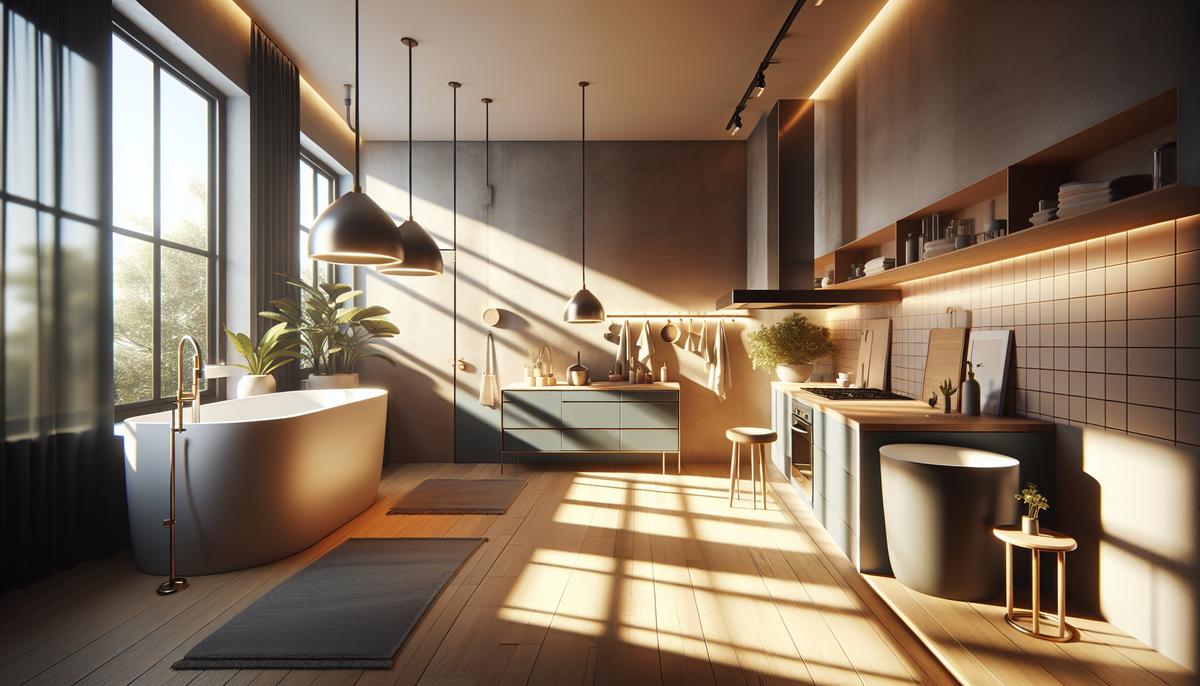
On a compact kitchen, open shelving in some zones reduces cabinetry cost and visually enlarges the space. Pair with a well-chosen backsplash near the cooking area for durability.
Bathroom savings: protect the structure, then the aesthetics 🚿
- Never skimp on waterproofing. Fixing leaks later is much more expensive than doing it right from the start.
- Keep existing sanitary fixture positions if possible to avoid rerouting pipes.
- Opt for easy-to-maintain tiles and grout. Simple patterns can be more cost effective than intricate mosaics.
- Use smart storage solutions to gain usability without large layout changes.
Choosing materials wisely 🧾
- Assess long-term performance and maintenance. A slightly higher upfront cost for a durable material can reduce future expenses.
- Combine materials: premium finishes only where they matter, economical alternatives elsewhere.
- Consider local brands and suppliers for better value and faster delivery.
Working with contractors: protect your budget and timeline 🔍
- Sign a written contract with staged payments tied to milestones.
- Include an itemised list of materials and brands in the contract annex.
- Ask for references and recent project photos. Experience and reliability often beat the lowest quote.
Practical checklist before you start 📝
- Rank features by importance and flexibility.
- Compare a few finish options for key elements like countertops and floor finishes.
- Confirm lead times for major items and schedule accordingly.
- Allocate a contingency fund for surprises.
Conclusion: durable decisions beat short-term savings 💡
Optimising a kitchen or bathroom renovation is less about cutting corners and more about smart decisions: keep engineering where it is, choose durable materials for wet zones, and work with professionals who document work. That approach reduces surprises and keeps the long-term value of your home intact.
If you are buying or renovating property in Georgia, BuyHome can help assess properties and advise on renovation needs. Start exploring options here: https://buyhome.ge/en/search
Contact us for friendly, practical help choosing the right property and planning efficient repairs.
Date added: 03.01.26
Related articles


Related categories

Renovation costs
A practical guide to apartment renovation costs in Georgia—labor and materials, timelines, common pitfalls, and how to control your budget.

Choosing a contractor
How to choose a renovation contractor in Georgia: where to look, what to verify, and how to control quality so you don’t lose time or budget.

Interior
Interior trends in Georgia, layouts, and practical apartment solutions: how to choose a style, plan zones, and create a design that works for living or renting.
Benefits of buying property on BuyHome.ge

Best property prices
No commission for buyers
Up-to-Date Properties on the Website
Free property selection
Free transaction support
Free expert consultations

Submit a Request
for a Consultation!

2026 © All rights reserved