

BuyHome.ge
+995 595 33 78 33


Materials for Seaside Renovations: What Lasts Longer and Why
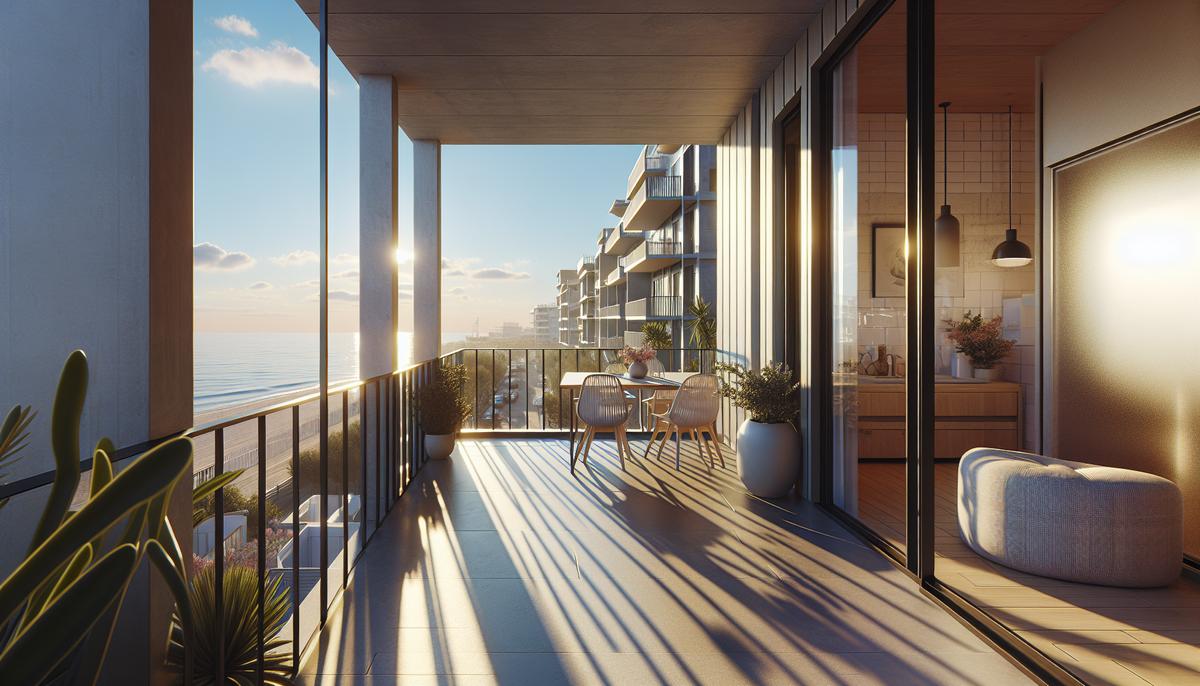
Materials for Seaside Renovations: What Lasts Longer and Why
Introduction 🌊
Renovating near the sea imposes special demands: salt-laden air, high humidity and strong UV accelerate wear. This guide explains which materials and solutions last longer and why, and gives practical recommendations for apartments, houses and commercial spaces on the coast.
Main challenges for seaside materials
- Salt-induced corrosion of metals.
- Degradation of coatings under sun and moisture.
- Swelling and rot in untreated wood.
- Mold and condensation in poorly ventilated spaces.
Understanding these risks helps you pick appropriate materials and protective systems.
Best choices for facades and exterior surfaces 🏖️
- Porcelain tile and clinker: resilient to salt and moisture and tolerant of temperature swings. Prefer low-absorption formats for outdoor use.
- Exterior renders and paints: use acrylic or silicone-based systems with strong water-repellent properties.
- Composite panels and fiber cement: durable against moisture and require less repainting.
Tip: look for products labeled for coastal or marine environments or with claims about salt and UV resistance.
Windows and doors 🚪
- Aluminium frames with anodizing or high-quality powder coatings and thermal breaks handle humid marine climates well.
- PVC profiles designed for high humidity can work if they have reinforced sections and reliable seals.
- Double-glazed units with warm-edge spacers and good sealing reduce condensation risk.
Practical note: balcony doors and windows with tight seals need regular inspection and cleaning to remove salt deposits.
Interior finishes: walls, floors, furniture 🛠️
- Floors: porcelain tile and high-quality ceramic are ideal for entrance areas and kitchens. For living spaces, choose moisture-resistant engineered wood or laminate with protective treatments.
- Walls: moisture-resistant plasterboard and mineral renders with anti-microbial additives are advisable. Avoid untreated wood panels without protective coating.
- Furniture: select moisture-resistant board materials or pieces finished with plastic or lacquer coatings. For open balconies, use polymer or composite furniture.
Sealing tip: attention to joints and transitions is crucial — a good sealant significantly extends finish life.
Hardware and fixings 🔩
- Metal elements should be corrosion-resistant or have protective coatings. Seek labels indicating marine-grade or anti-corrosive treatment.
- Use stainless or specially coated fixings outdoors; indoors, moisture-resistant fasteners usually suffice.
Routine inspections and early replacement of corroded fasteners are cheaper than repairing widespread damage.
Coatings and paints 🎨
- For facades and balconies, choose acrylic or silicone facade paints with UV filters.
- Floors in high-traffic zones benefit from epoxy or polyurethane systems with anti-slip additives.
- Wood stains and varnishes should be water-repellent and UV-stable.
Follow manufacturer instructions carefully — correct application matters as much as the product choice.
Maintenance and prevention ✅
- Regular rinsing with fresh water removes salt deposits and extends the life of finishes.
- Ventilation and mechanical extraction reduce mold risk.
- Scheduled checks of seals, coatings and fasteners catch problems early.
Simple habit: rinse railings, window sills and external hardware after strong salt-laden winds.
Cost considerations and sustainability 🧭
Higher upfront cost does not always mean better, but investing in coastal-grade materials and professional installation usually pays off through reduced repair and maintenance. Consider life-cycle costs rather than only initial price.
Quick recommendations by zone
- Balconies and terraces: tile or composite flooring, robust waterproofing.
- Entrances: anti-corrosion doors and protective finishes.
- Kitchens and bathrooms: moisture-resistant boards and strong ventilation.
Conclusion and help from BuyHome 🤝
Seaside renovation is manageable with the right materials and care. If you need help choosing a property or specifying suitable finishes for a coastal apartment or house, our team can assist. Contact us for personalized advice and property search support.
Find properties or start a search: https://buyhome.ge/en/search
Date added: 11.04.26
Related articles



Related categories

Renovation costs
A practical guide to apartment renovation costs in Georgia—labor and materials, timelines, common pitfalls, and how to control your budget.

Choosing a contractor
How to choose a renovation contractor in Georgia: where to look, what to verify, and how to control quality so you don’t lose time or budget.

Interior
Interior trends in Georgia, layouts, and practical apartment solutions: how to choose a style, plan zones, and create a design that works for living or renting.
Benefits of buying property on BuyHome.ge

Best property prices
No commission for buyers
Up-to-Date Properties on the Website
Free property selection
Free transaction support
Free expert consultations

Submit a Request
for a Consultation!

2026 © All rights reserved