

BuyHome.ge
+995 595 33 78 33


Renovation Contract in Georgia: Key Clauses on Deadlines, Price, Warranty
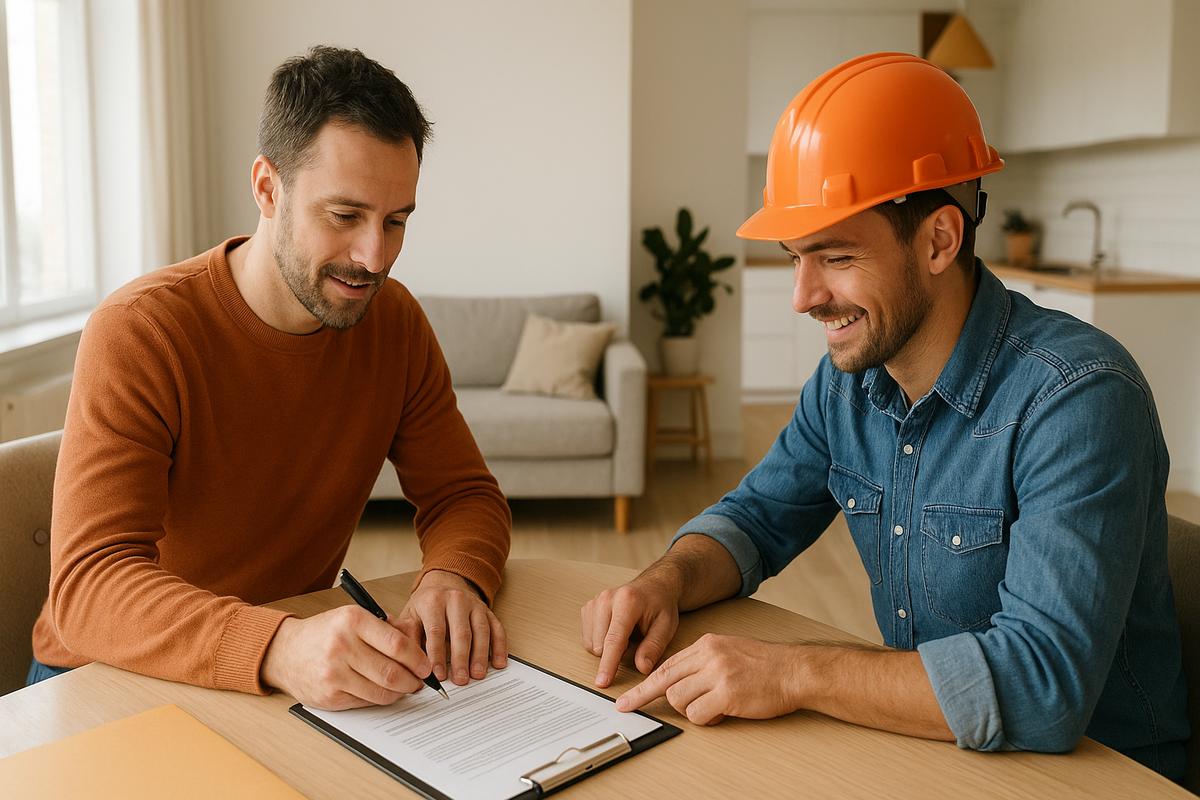
Renovation Contract in Georgia: Key Clauses on Deadlines, Price, Warranty
Renovation contract in Georgia: why a written agreement matters ✅
Renovation involves many moving parts — timelines, materials, workmanship and money. A clear contract protects both the homeowner and the contractor, helps avoid misunderstandings, and sets expectations for delivery and quality.
Key sections to include 🧾
- Parties — full details for contractor and client.
- Scope of work — precise description of tasks (demolition, plumbing, wiring, finishing).
- Deadlines — start and completion dates plus milestone checkpoints.
- Price and payment schedule — what is included, what’s extra, and how payments are made.
- Warranties and liabilities — warranty periods and defect remediation procedures.
- Handover and acceptance — how work is signed off.
- Termination and force majeure — how to proceed if something unexpected happens.
How to write clear deadlines ⏱️
- Break the project into stages with dates for each stage and for final completion.
- Describe what constitutes completion of a stage (e.g., electrical wiring tested and signed off).
- Include rules for extensions (e.g., supply delays) and a fair mechanism for compensating delays.
- Mention consequences for missed deadlines — a simple penalty formula or an agreed reduction in the next payment can be enough.
Example: “Stage 2 (rough works) — three weeks from the date of stage start; delays caused by the contractor will trigger a pre-agreed remedy.” Avoid fixed monetary amounts unless you agree them in the budget attachment.
Agreeing the price and the budget 💶
- Attach a detailed estimate listing materials, labor and itemized quantities.
- Specify which materials are included and which are optional or upgrades.
- Define how variations are approved — always in writing, with cost implications clarified.
- Set a payment schedule: deposit, milestone payments, final settlement after acceptance.
Tip: make the estimate an integral part of the contract so changes require written approval and documented cost updates.
Warranties — practical points 🛠️
- Distinguish between warranty on workmanship (contractor responsibility) and warranty on materials (supplier/manufacturer responsibility).
- Specify expected warranty periods and the process to report and fix defects (notification window, response time).
- Require photo evidence and a formal defect report to start warranty work.
Useful clause: the contractor must remedy defects within a reasonable timeframe at no extra cost if defects are covered by the warranty.
Acceptance, checks and documents 📑
- Attach a checklist for acceptance and a template acceptance act.
- Define what tests will be carried out (electrical testing, water pressure, waterproofing checks).
- State how the final payment is linked to the signed acceptance act and completion of outstanding defects.
Dispute resolution and force majeure ⚖️
- Set out an escalation path: notice, negotiation, then mediation or arbitration in Georgia.
- Define force majeure and how parties should notify each other and document delays.
Practical tips before signing ✍️
- Verify the contractor: experience, references and sample projects.
- Review the contract and estimate in advance — consider legal advice for complex projects.
- Avoid paying the full sum upfront; tie payments to milestones.
- Keep photographic records of progress; they help resolve future disputes.
- Include a clear acceptance procedure and a warranty remediation process.
If you’re buying or renovating a property in Georgia and need help evaluating contractor offers or checking a contract, BuyHome can assist with practical advice and trusted contacts. Contact us — we’ll help protect your investment. 📞
Explore apartments and options: https://buyhome.ge/en/apartments • Homepage: https://buyhome.ge/en
Date added: 12.08.26
Related articles





Related categories

Renovation costs
A practical guide to apartment renovation costs in Georgia—labor and materials, timelines, common pitfalls, and how to control your budget.

Choosing a contractor
How to choose a renovation contractor in Georgia: where to look, what to verify, and how to control quality so you don’t lose time or budget.

Interior
Interior trends in Georgia, layouts, and practical apartment solutions: how to choose a style, plan zones, and create a design that works for living or renting.
Benefits of buying property on BuyHome.ge

Best property prices
No commission for buyers
Up-to-Date Properties on the Website
Free property selection
Free transaction support
Free expert consultations

Submit a Request
for a Consultation!

2026 © All rights reserved