

BuyHome.ge
+995 595 33 78 33


Renovation in Older Buildings: Must-Do Works and How Much They Cost
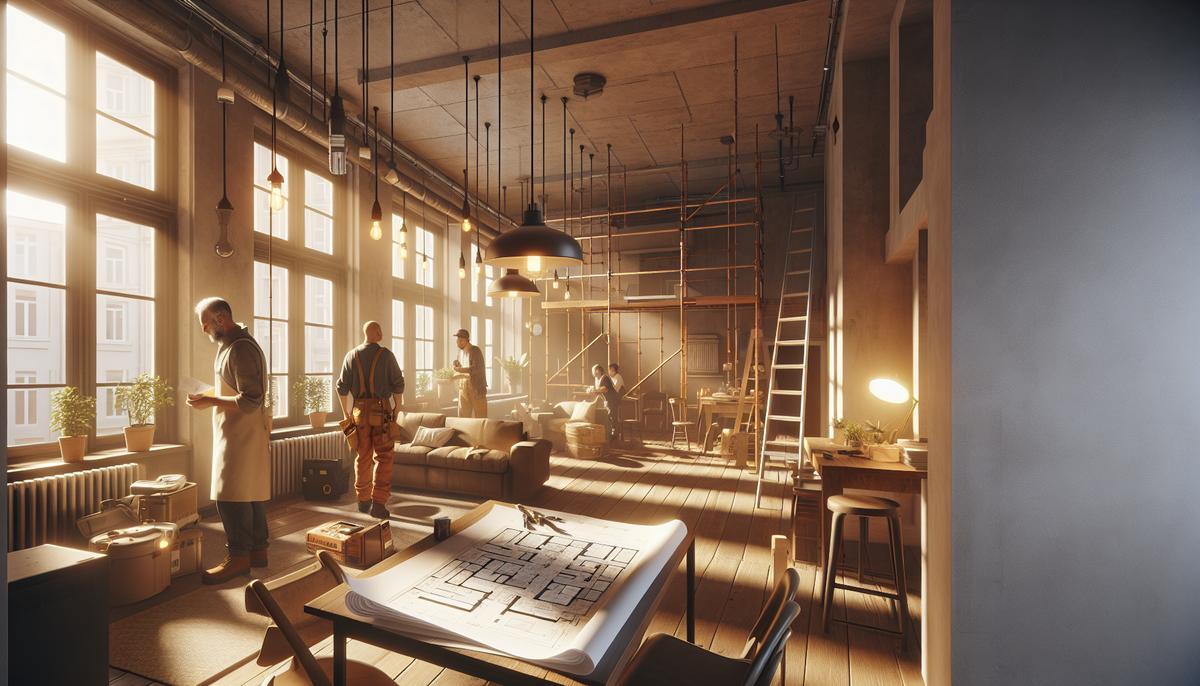
Renovation in Older Buildings: Must-Do Works and How Much They Cost
Renovation in older buildings: where to start ✅
Renovating a property in an older building raises important questions: which works are essential, which can wait, and how to estimate costs. Begin with a thorough assessment of the structure, engineering systems and moisture issues — these factors shape priorities and the budget.
1. Mandatory inspections and preparation 🔎
- Visual inspection and, if needed, professional technical survey.
- Check load-bearing walls, floors and foundations for cracks or subsidence.
- Electrical inspection — outdated wiring is a safety hazard and often needs replacement.
- Plumbing and sewage check to detect leaks and corrosion early.
These initial steps prevent surprises and set realistic expectations.
2. Safety first 🔒
Essential work in older buildings focuses on occupant safety:
- Updating electrical panels and wiring;
- Fixing gas installations only with certified technicians;
- Strengthening balconies, staircases, and structural elements if needed;
- Removing mold and fixing sources of dampness.
Prioritize anything that affects health or fire risk.
3. Engineering systems — invest wisely ⚙️
Engineering upgrades are usually the most costly but most impactful. Consider:
- Rewiring or bringing electrical systems up to code;
- Replacing water and sewer pipes with modern materials and ensuring access for maintenance;
- Evaluating heating systems and possible upgrades for comfort and efficiency;
- Improving ventilation and adding waterproofing where necessary.
Quality here increases long-term comfort and resale value.
4. Insulation and windows 🌡️
Improving thermal performance reduces running costs and improves comfort. Common measures in older properties:
- Replacing windows with energy-efficient units;
- Insulating exterior walls where permitted by building management;
- Addressing floor and ceiling insulation in multi-storey buildings.
Note: facade work often requires approval from the building association or municipality.
5. Finishing touches and aesthetics 🎨
Once engineering tasks are done, move to finishes: flooring, plaster, paint, and fixtures. You can save on some materials but avoid cutting corners on skilled trades.
6. How to estimate costs: practical approach 💡
- Define three renovation scopes: cosmetic (no major systems replaced), standard (main systems renewed), and full overhaul (complete systems replacement and structural works).
- Prepare a detailed list of works and request quotes from several contractors; compare price, timeline, guarantees and experience.
- Always plan a contingency budget for hidden defects commonly found in old buildings.
- Consider phased renovation: address mandatory works first, then plan finishing later.
7. Common mistakes to avoid ⚠️
- Starting with cosmetic work before checking systems (leading to rework);
- Choosing a contractor solely on price;
- Neglecting required approvals and documentation;
- Underestimating timelines and disruption in multi-unit buildings.
8. Tips for buyers and investors 📈
- Commission an independent inspection before purchase.
- Factor possible major repairs and agreement with the building association into total costs.
- Consider energy-efficiency upgrades to increase the property’s attractiveness.
- For rental investments, prioritize reliable systems and modern finishes to attract tenants.
Closing practical steps ✅
- Start with a technical survey.
- Prioritize safety and engineering repairs.
- Get multiple quotes and include a contingency.
- Complete necessary approvals early.
If you are looking for properties in older buildings or planning renovation, we can help assess risks and prepare a work plan. Browse available listings and start searching here: https://buyhome.ge/en/search
Contact BuyHome — we'll help you choose the right property and plan the renovation.
Date added: 04.01.26
Related articles


Related categories

Renovation costs
A practical guide to apartment renovation costs in Georgia—labor and materials, timelines, common pitfalls, and how to control your budget.

Choosing a contractor
How to choose a renovation contractor in Georgia: where to look, what to verify, and how to control quality so you don’t lose time or budget.

Interior
Interior trends in Georgia, layouts, and practical apartment solutions: how to choose a style, plan zones, and create a design that works for living or renting.
Benefits of buying property on BuyHome.ge

Best property prices
No commission for buyers
Up-to-Date Properties on the Website
Free property selection
Free transaction support
Free expert consultations

Submit a Request
for a Consultation!

2026 © All rights reserved