

BuyHome.ge
+995 595 33 78 33


White Frame: Developer Handover Checklist
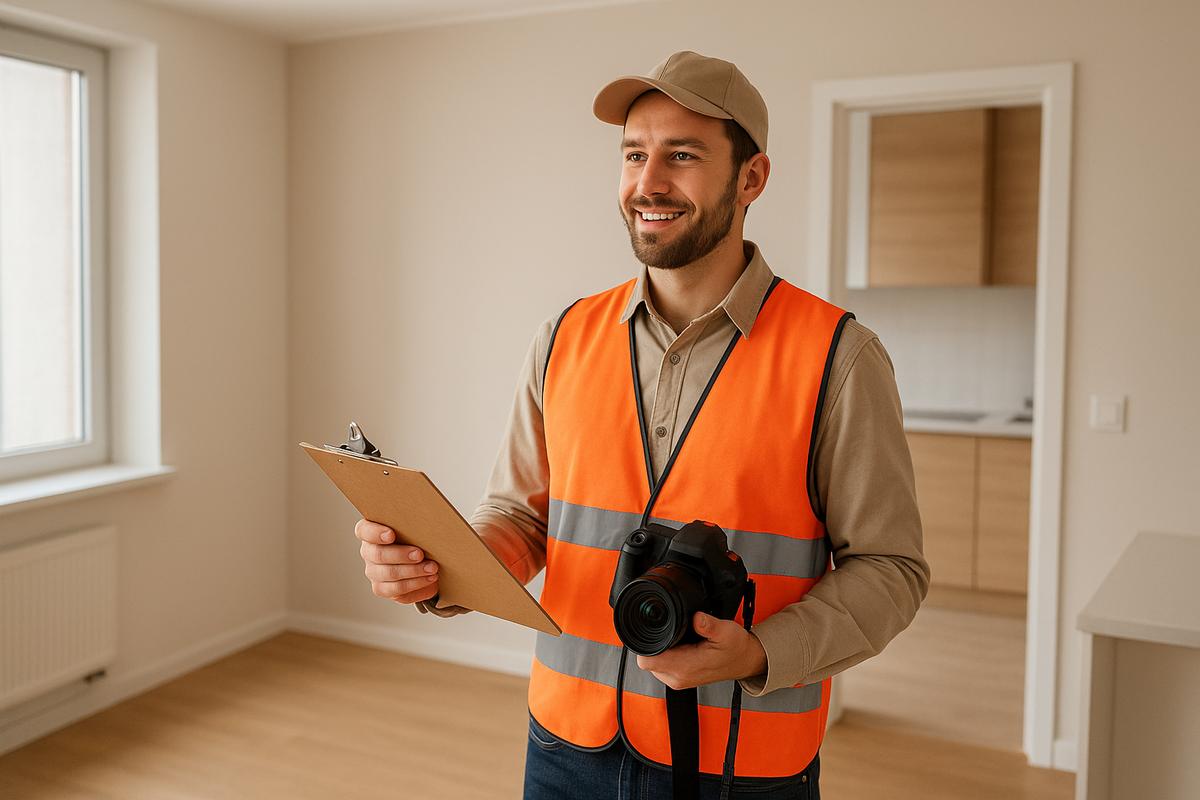
White Frame: Developer Handover Checklist
White Frame: New apartment handover checklist from the builder 🏡
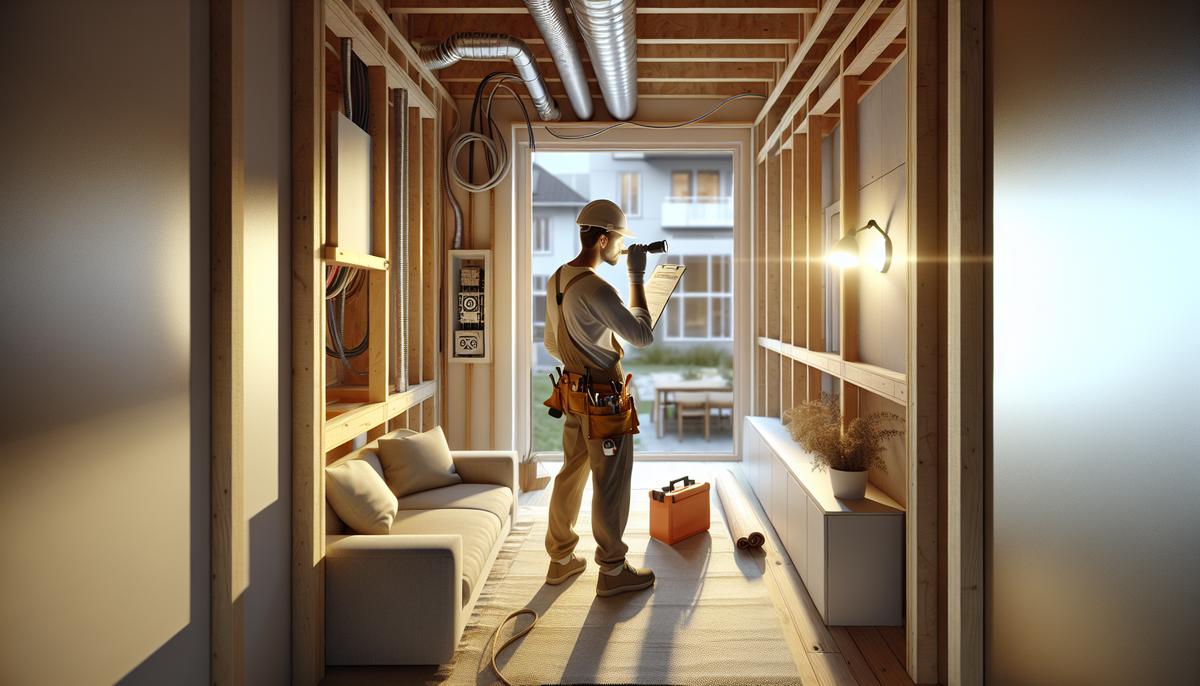
Accepting a new apartment is a key moment in your purchase. Even brand-new units can have finishing, engineering, or installation issues. This checklist helps you inspect systematically, record problems clearly, and communicate effectively with the developer.
Preparation before the handover ✅
- Bring copies of the contract, apartment plan and technical documents, a torch, tape measure, camera or smartphone, notebook and pen.
- Consider inviting an independent inspector if you're not confident about technical details.
- Schedule the inspection during daylight to spot uneven surfaces and paint issues more easily.
Entry and common areas first 🔎
- Check the condition of the building entrance, lobby and access doors: cleanliness, finishes, intercom operation.
- Inspect corridor walls, thresholds and door frames inside your apartment for visible defects.
- Look at balcony or loggia surfaces, drainage points and railings for signs of inadequate finishing.
Walls, ceilings and floors — visible defects to note 🧱
- Use side lighting to reveal uneven walls and ceiling plastering; look for hairline cracks.
- Check the junctions around windows and doors for visible gaps or poor sealing.
- Walk around to assess floor leveling and finish quality; be alert to damp smell or stains.
Windows and doors 🚪
- Open and close all windows and doors to test hinges, locks and seals for smooth operation.
- Verify the quality of window slopes and external sills.
- Check natural ventilation and the presence of ventilation grills in wet areas.
Utilities: water, electricity, heating ⚙️
- Turn on lights and test sockets in every room; note loose fittings or flickering.
- Run taps to check water flow and observe any leaks around plumbing fixtures or piping.
- Ensure heating elements are present and unobstructed; check radiators for visible issues.
- Confirm exhausts in kitchen and bathroom are functional to prevent humidity problems.
Bathrooms and tiles 🚿
- Inspect tiles for even joints, intact grout and absence of chips or cracks.
- Test all sanitary fixtures: faucets, drains, toilet flush and seals around fixtures.
- Assess the waterproofing of shower and bathtub areas — these are common trouble spots.
Finishes and fixtures 🎨
- Look closely at paintwork, plastered corners, skirting boards and transitions between floor materials.
- Check that switches, sockets, frames and trims are correctly installed and undamaged.
- Photograph every defect with context so the location and nature are clear.
Documenting defects and agreements 📝
- Prepare a handover protocol describing each defect: location, issue description and desired remedy.
- Take clear photos for each item and attach them to the protocol to avoid misunderstandings.
- Request a timeline for repairs and the conditions for a re-inspection after fixes.
Handling disagreements and follow-up 🤝
- Stay calm and factual; insist that agreed fixes are put in writing in the protocol.
- If the developer proposes temporary cosmetic fixes, ask for written guarantees and deadlines.
- When in doubt, request an independent technical assessment and keep copies of all communication.
Practical examples and phrasing 🗂️
- Example note: “Gap at floor joint near entrance — sealing required and re-leveling advised.”
- Example request: “Please repair plumbing leak in bathroom and confirm date for completion and re-inspection.”
Final thoughts and next steps ✅
A careful, structured handover protects your investment and saves time later. Do not sign the final acceptance until key issues are agreed in writing and you understand how and when they will be fixed.
If you want professional support during the handover or help choosing the right property, contact BuyHome. Our team can accompany the inspection and ensure all remarks are properly documented. 📩
Contact: https://buyhome.ge/en — we will help you choose and accept your new apartment.
Date added: 30.07.26
Related articles


Related categories

White vs black frame
White vs black frame in Georgia: what’s included, which renovation stages you’ll face, real-world cost differences, and which option is better for your budget and timeline.

Batumi vs Tbilisi
Batumi vs Tbilisi for property buyers: prices, neighborhoods, infrastructure, rental demand, and growth outlook. A clear guide to choose the right city for your goals—sea lifestyle or capital-city investing.

New vs resale
Primary vs resale property in Georgia: prices, condition, move-in timelines, deal risks, and real returns. A clear guide to choose the best option for living, renting, or investing.

Complex vs house
A practical comparison of residential complexes vs private houses in Georgia—costs, risks, rental income, and resale liquidity to choose the right format.
Benefits of buying property on BuyHome.ge

Best property prices
No commission for buyers
Up-to-Date Properties on the Website
Free property selection
Free transaction support
Free expert consultations

Submit a Request
for a Consultation!

2026 © All rights reserved