

BuyHome.ge
+995 595 33 78 33


Buying in the Center for Long-Term Rent: Which Sizes Are in Demand
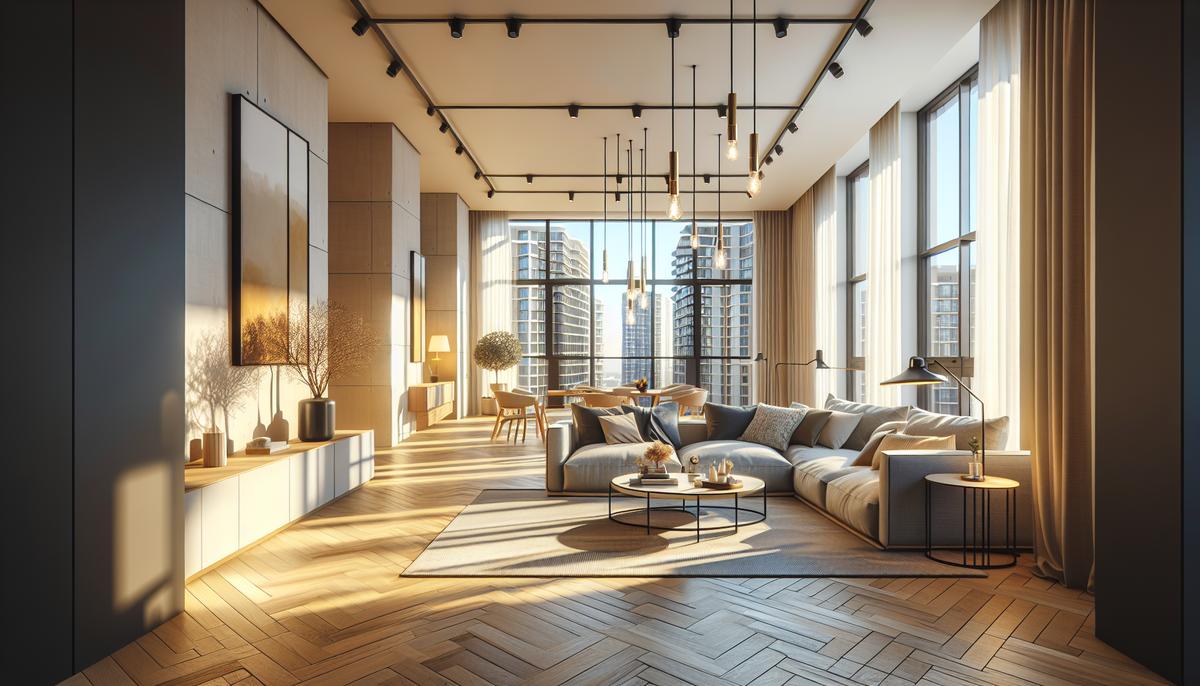
Buying in the Center for Long-Term Rent: Which Sizes Are in Demand
Buying a city-center apartment for long-term rent: which sizes are in demand 🏙️
Investing in a central apartment can be a stable source of rental income if you match the property to long-term tenant needs. Below are practical, cautious recommendations to help you choose the right area, layout, and amenities.
Demand snapshot
- Long-term tenants value convenience: proximity to work, transport, and everyday services.
- Compact, well-laid-out flats are often more marketable — easy to maintain and suitable for singles or couples.
- Families may prefer larger units, but in city centers demand for family-sized apartments often lags behind suburban zones.
Which sizes are typically in demand — guidelines, not rules 📐
- Studios and efficient one-room layouts (small to medium size) are popular among young professionals and relocating students.
- One-bedroom and small two-bedroom apartments with a practical footprint are commonly rented long-term by couples or single tenants who want a bit more space.
- Larger apartments attract families and higher-paying tenants, yet they can be harder to rent quickly depending on market cycles.
Remember: treat these as orientation points — neighborhood, building type, and tenant profile change everything.
Layout and functionality matter most ✅
- Straightforward layouts with minimal wasted corridor space outperform complicated plans.
- Balconies or loggias add appeal for storage or outdoor access.
- Good sound insulation and reliable heating increase year-round attractiveness.
What long-term tenants commonly prioritize (by importance)
- Location and transport links.
- Nearby amenities: grocery stores, pharmacies, childcare options for family tenants.
- Building maintenance and management.
- Condition of the apartment — neutral colors, working appliances if furnished.
Renovation and furnishing — how to avoid overspending
- Use neutral, durable finishes that appeal to a broad audience and are easy to refresh.
- Invest in dependable plumbing and electrical work — these reduce future repair costs.
- Choose practical furniture: modular storage, multipurpose pieces, and washable textiles.
Target tenants and marketing 🎯
- Young professional: compact, fast internet, functional furniture.
- Small family: two-bedroom unit near schools and parks.
- Expat/Corporate tenant: fully furnished, simple utilities billing, and clear contract terms.
Design your offering around the tenant type you want to attract.
Management and upkeep — operational essentials
- Consider a reliable property manager or agency to handle tenant selection and routine checks.
- Regular maintenance prevents sudden large expenses and extends lifespan of fixtures.
- Clear rental contracts and careful record-keeping ensure predictable income.
Risks and mitigation ⚖️
- Vacancy periods: maintain a reserve fund to cover a few months without rent.
- Non-payments and damage: screen tenants, require deposits, and perform move-in/out inspections.
- Market shifts: diversify holdings across sizes or neighborhoods to spread risk.
Practical pre-purchase checklist ✔️
- Visit the neighborhood at different times of day to assess noise and convenience.
- Verify transport access and local services.
- Review competing rental offers to position your property competitively.
- Model potential returns conservatively, accounting for maintenance and possible vacancies.
Conclusion
For long-term renting in city centers, compact, functional apartments with smart layouts tend to be the most resilient. Still, the right choice depends on micro-location and the tenant group you target. Prioritise durable systems, neutral finishes, and tenant-friendly conveniences to reduce vacancies and stabilize income.
If you'd like help finding a centrally located apartment with the optimal size and layout, contact BuyHome — we can analyze options and manage the search for you. 🔑
Explore available search options: https://buyhome.ge/en/search
Date added: 27.12.25
Related articles



Related categories

New Boulevard
New Boulevard in Batumi is one of the fastest-growing seaside areas: infrastructure, new developments, property prices, and investment prospects.

Old Town
Old Town Batumi is the historic city center with unique architecture and atmosphere: housing features, prices, rentals, and investment opportunities.

City Center
Batumi City Center is the most in-demand area of the city, offering strong infrastructure, business and tourist activity, stable rental demand, and high property liquidity.

Airport area
Batumi Airport area is a fast-developing district with new residential projects, improving infrastructure, and strong potential for property price growth.
Benefits of buying property on BuyHome.ge

Best property prices
No commission for buyers
Up-to-Date Properties on the Website
Free property selection
Free transaction support
Free expert consultations

Submit a Request
for a Consultation!

2026 © All rights reserved