

BuyHome.ge
+995 595 33 78 33


New Builds vs Resale in the Center: Risks, Renovation, Liquidity
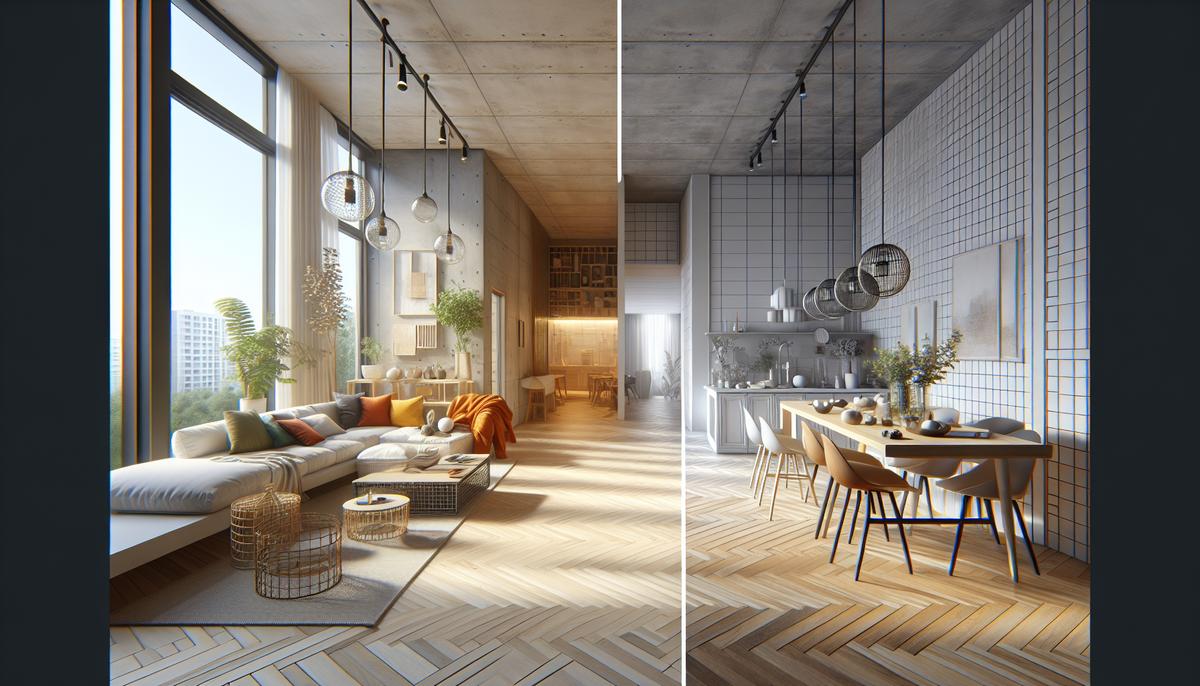
New Builds vs Resale in the Center: Risks, Renovation, Liquidity
New-builds vs Resale in the City Centre: quick overview 🏙️
Choosing between a new-build and a resale apartment in the city centre means balancing risks, renovation needs, and future liquidity. This guide gives practical, hands-on advice whether you plan to live in the property, rent it out, or sell later.
Risks: what to watch for ⚠️
New-builds
- Construction and delivery risk: projects can be delayed and fit-out quality may vary. Expect potential waiting periods that can extend by months in some cases.
- Quality risk: developer finishes and promised infrastructure can differ from reality. Ask for site visits and official handover documents.
- Legal risk: verify permits, land status and developer track record.
How to reduce risk: request full documentation, visit the site in person, and include acceptance conditions that allow technical inspections before final payment.
Resale properties
- Hidden defects: older plumbing, insulation issues, aging electrical systems and damp spots.
- False economy risk: a low purchase price can mask the need for extensive repairs.
How to reduce risk: commission a professional inspection, check the apartment’s maintenance history, and test major systems before signing.
Renovation and living costs 🛠️
New-builds
- Often require finishing works rather than full rebuilds. You gain control of layout and materials but should plan for time and costs of customization.
- Advantage: newer systems and sometimes warranties from the developer.
Resale
- May require full upgrades of pipes, heating and wiring. However, many resale apartments have generous layouts that are attractive for renovation and long-term living.
- You might be able to move in faster if the apartment is already in good condition.
Tip: prioritize urgent engineering updates first, then progressive cosmetic upgrades. A staged plan with a budget buffer is smart.
Liquidity: selling and renting potential 💼
- New-builds near established infrastructure tend to attract both tenants and buyers. Modern amenities, parking and shared spaces improve marketability.
- Resale properties benefit from proven location and often larger rooms, but may lag in energy efficiency and modern conveniences.
If investing, study local demand: who lives or works in the area? Are there universities, offices or cultural attractions that support rental demand?
Practical checklist for decision-making ✅
- Define the goal: personal residence, rental income, or resale profit.
- Consider timing: can you wait for completion, or do you need immediate occupancy?
- Account for hidden costs: taxes, maintenance, HOA fees and potential major repairs.
- Schedule a technical inspection for resale units and request handover documentation for new builds.
Example scenarios
- Living long-term and valuing modern systems: new-build with a tailored finishing package.
- Wanting character and space in a central historical neighbourhood: resale, with an allowance for renovation time and costs.
- Rental strategy: pick properties with low running costs and easy access for tenants.
Emotional factors and expectations 💬
Remodels and moves are stressful. Be honest about your capacity to manage contractors or whether you need a turnkey solution. People often underestimate time and costs — plan conservatively.
Quick action list before purchase 📋
- Clarify your primary objective (live/let/sell).
- Check legal and technical histories of the property.
- Prepare a staged renovation budget with a contingency.
- Analyze neighbourhood demand and comparable listings.
If you'd like, we can evaluate specific options in the city centre and build a comparative cost table tailored to your goals. Browse listings and start a search on our site: https://buyhome.ge/en/apartments or https://buyhome.ge/en/search
Contact BuyHome for personalised help — we’ll assist with finding the best option, estimating renovation costs and assessing long-term liquidity. We’re ready to make the process clearer and less stressful.
Date added: 28.12.25
Related articles





Related categories

New Boulevard
New Boulevard in Batumi is one of the fastest-growing seaside areas: infrastructure, new developments, property prices, and investment prospects.

Old Town
Old Town Batumi is the historic city center with unique architecture and atmosphere: housing features, prices, rentals, and investment opportunities.

City Center
Batumi City Center is the most in-demand area of the city, offering strong infrastructure, business and tourist activity, stable rental demand, and high property liquidity.

Airport area
Batumi Airport area is a fast-developing district with new residential projects, improving infrastructure, and strong potential for property price growth.
Benefits of buying property on BuyHome.ge

Best property prices
No commission for buyers
Up-to-Date Properties on the Website
Free property selection
Free transaction support
Free expert consultations

Submit a Request
for a Consultation!

2026 © All rights reserved